This story is currently available in англійська only — a translation isn't ready yet.
Hacettepe faculty member Yıldız warns on durability of weight-loss injections
Prof. Dr. Okan Bülent Yıldız assessed the weight-loss data for semaglutide and tirzepatide, their side effects, and the rebound experienced when the drugs are stopped, in AA Analiz.
ℹ️ Озвучка браузером · студійний голос ШІ незабаром
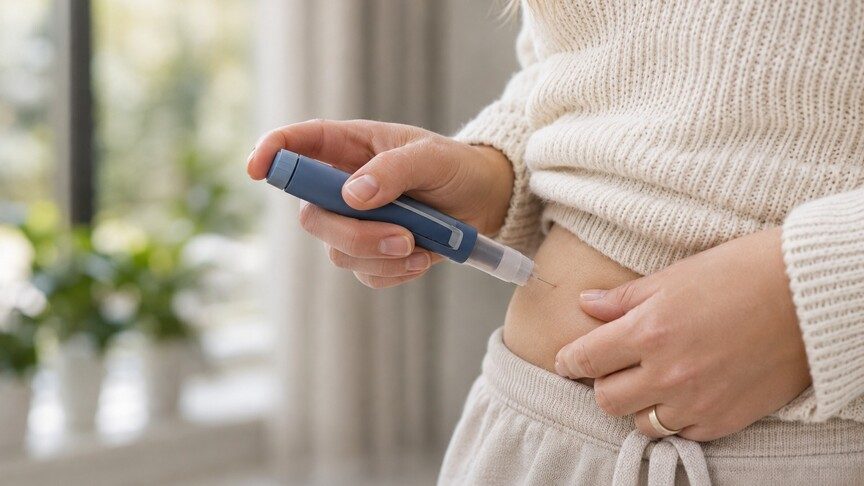
In the assessment published by Anadolu Agency for AA Analiz, Prof. Dr. Okan Bülent Yıldız, a faculty member in the Department of Endocrinology and Metabolism at Hacettepe University Faculty of Medicine, wrote about the effects during treatment of Glucagon-Like Peptide-1 (GLP-1) and dual GIP/GLP-1 receptor analogues, popularly known as "weight-loss injections," and the points that need attention in their use. Yıldız noted that these drugs, originally developed for the treatment of type 2 diabetes, deliver significant weight loss, but that their global popularity has also brought information pollution, exaggerated expectations originating from social media, and drug abuse driven by aesthetic concerns.
The World Health Organization recognizes obesity not as a lack of willpower but as a chronic, progressive and complex metabolic disease. According to WHO data, more than 1 billion people worldwide live with obesity; while obesity prevalence among adults has more than doubled since 1990, that rate has risen fourfold among children and adolescents. According to the field measurements cited by Yıldız, one in every three adults in Turkey is clinically obese, and another third falls into the overweight category. This picture places Turkey at the top of European countries in terms of obesity prevalence and the related burden of disease.
The annual direct bill of obesity and the accompanying chronic diseases it causes to the global economy and to health budgets reaches 2 trillion dollars, that is, 2.8 percent of global output. According to international pharmacoeconomics reports, the budget for prescribing and procuring these new-generation drugs for obesity alone has already exceeded the annual threshold of 66 billion dollars. Considering the speed of their spread in developing countries, this volume of medical spending is estimated to reach 200 billion dollars annually by 2030.
In Yıldız's assessment, according to the STEP and SURMOUNT clinical trial series published in The New England Journal of Medicine and The Lancet, patients treated with semaglutide achieved an average reduction of 15 percent, while in the tirzepatide group, which has a dual mechanism, the reduction in body weight reached as much as 21 percent. The WHO, for the first time in its history, published a global guideline on GLP-1 treatments for the long-term management of obesity in adults, officially recognizing these drugs as a medical treatment method. Beyond weight loss, the drugs also reduce the risk of heart attack and stroke by 20 percent.
Yıldız also drew attention to side effects. Gastrointestinal reactions such as nausea, vomiting, diarrhea and constipation cause about 10 percent of patients to abandon treatment halfway. During rapid weight loss, 20 to 30 percent of the weight lost comes from muscle tissue; if adequate protein intake and resistance exercise are not maintained, the metabolic rate falls. The supply gap created by the global surge in demand, meanwhile, leads to the emergence of unlicensed and counterfeit imitation drugs sold over the internet.
To the question of durability, Yıldız responded by pointing to a recent meta-analysis published in The British Medical Journal covering more than 9,000 patients: when the drugs are stopped, about two-thirds of the weight lost is rapidly regained within the first year, and patients return entirely to their starting weight within an average of 1.7 years.
Sources — how we know this
- PrimaryAnadolu Ajansı (TR)