This story is currently available in англійська only — a translation isn't ready yet.
Hackers heated 700 French supermarket cooling units in one night; Bavaria shop hit weeks later
A technician found the refrigeration in Robert Neveling's Höhenkirchen store had been reset remotely to 50C, as Germany's BSI counts 27 attacks on the critical food industry.
ℹ️ Озвучка браузером · студійний голос ШІ незабаром
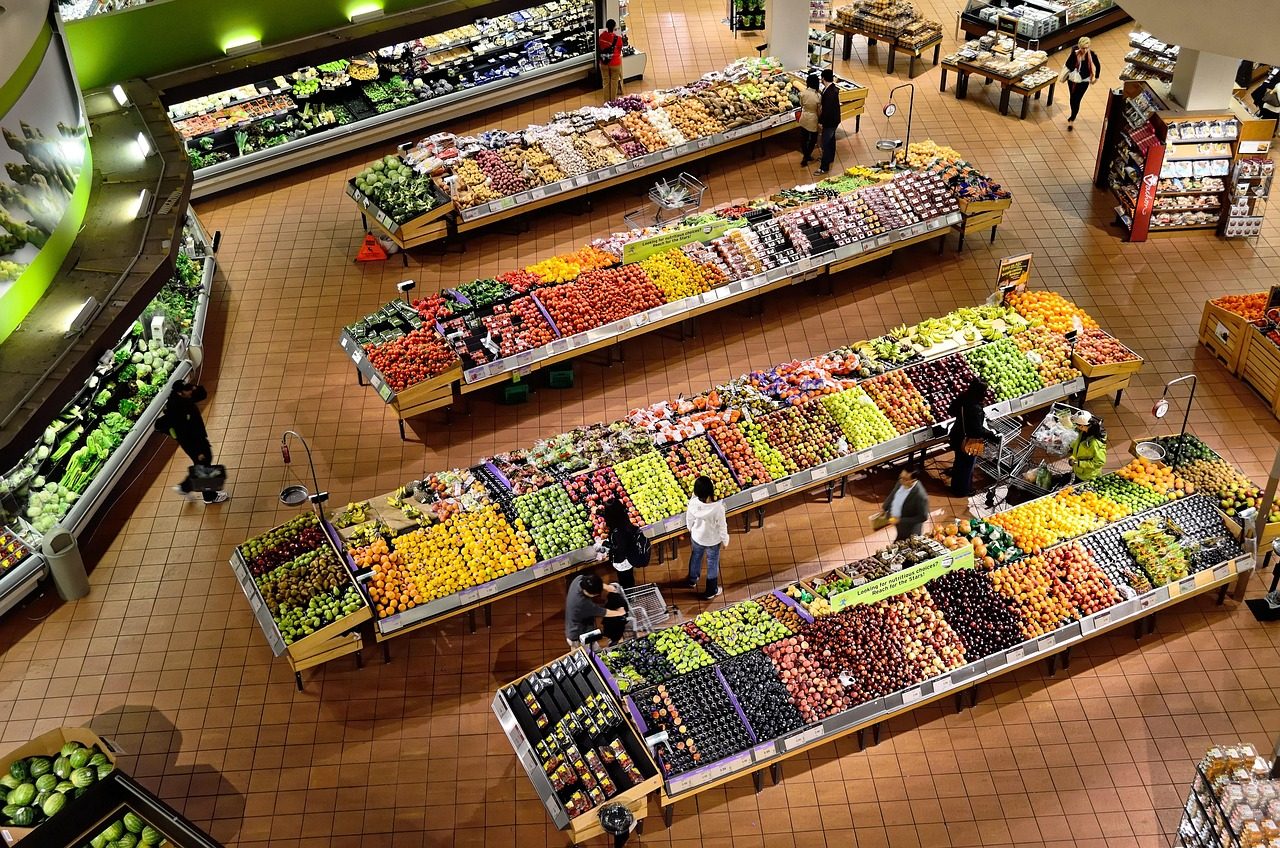
Robert Neveling opened the door of his organic supermarket in Höhenkirchen at half past five and smelled that something was wrong. Hot air met him when he opened a freezer door. A technician found the cooling system had not simply broken down: its settings had been changed remotely and it was heating to 50 degrees Celsius. The shop in Upper Bavaria had been the target of a hacker attack.
The refrigeration control in Neveling's store is connected to the internet, as in numerous supermarkets in Europe. France saw in October what that can mean: in a single night hackers heated the cooling systems of 700 supermarkets. The French government now holds Iran responsible, and the case is described as the first large-scale cyberattack for sabotage purposes in the country. Weeks later supermarkets in other European countries were attacked, including Neveling's business in Upper Bavaria. Who is behind those attacks is still open.
Colonel Armin Schaus, responsible for civil-military cooperation at the Bundeswehr's Operational Command, said the strategic goal of hybrid threats is to unsettle the population, and that attacks on the energy industry and the food supply are particularly well suited to that. He called the refrigeration attacks a lesson that hybrid attacks are becoming more professional and creative, and said there is no hundred-percent protection, which is why companies should have a plan for emergencies.
Sebastian Brück, who heads the crisis resilience unit at the Federal Office for Information Security (BSI), said the agency's latest annual report counts 27 "substantial" cyberattacks on the critical food industry — structures on which the supply of a considerable number of people depends, such as large logistics centres. He said the risk is spread more widely than in the energy sector, "where there are only four large transmission grid operators".
Josef Efken of the Thünen-Institut surveyed farms on what happens during a three-day power cut. In a modern chicken barn holding 30,000 to 40,000 birds, the entire flock suffocates after at most eight hours if the ventilation fails; in pig fattening all the animals can be dead after a day; dairy cows usually survive. Most farmers said they had an emergency generator, but feed producers, slaughterhouses and dairies would fail, Efken said, because backup power is too expensive at that size.
Stefan Behrendt, who heads the food division at logistics company Dachser, said: "The moment transport is disrupted, nothing arrives." The sector has counted as critical infrastructure since the coronavirus pandemic. If diesel runs short, Behrendt hopes the authorities will give food logistics priority at the filling station — though if the power fails, no fuel pump works anyway.
Sources — how we know this
- PrimaryFrankfurter Allgemeine