This story is currently available in англійська only — a translation isn't ready yet.
Houthis take full control of Bab al-Mandab as Yemeni army falls back on Aden
The rebels now hold the strait that normally carries around 12% of global trade, after a retreat that leaves the Saudi-backed government defending its interim capital
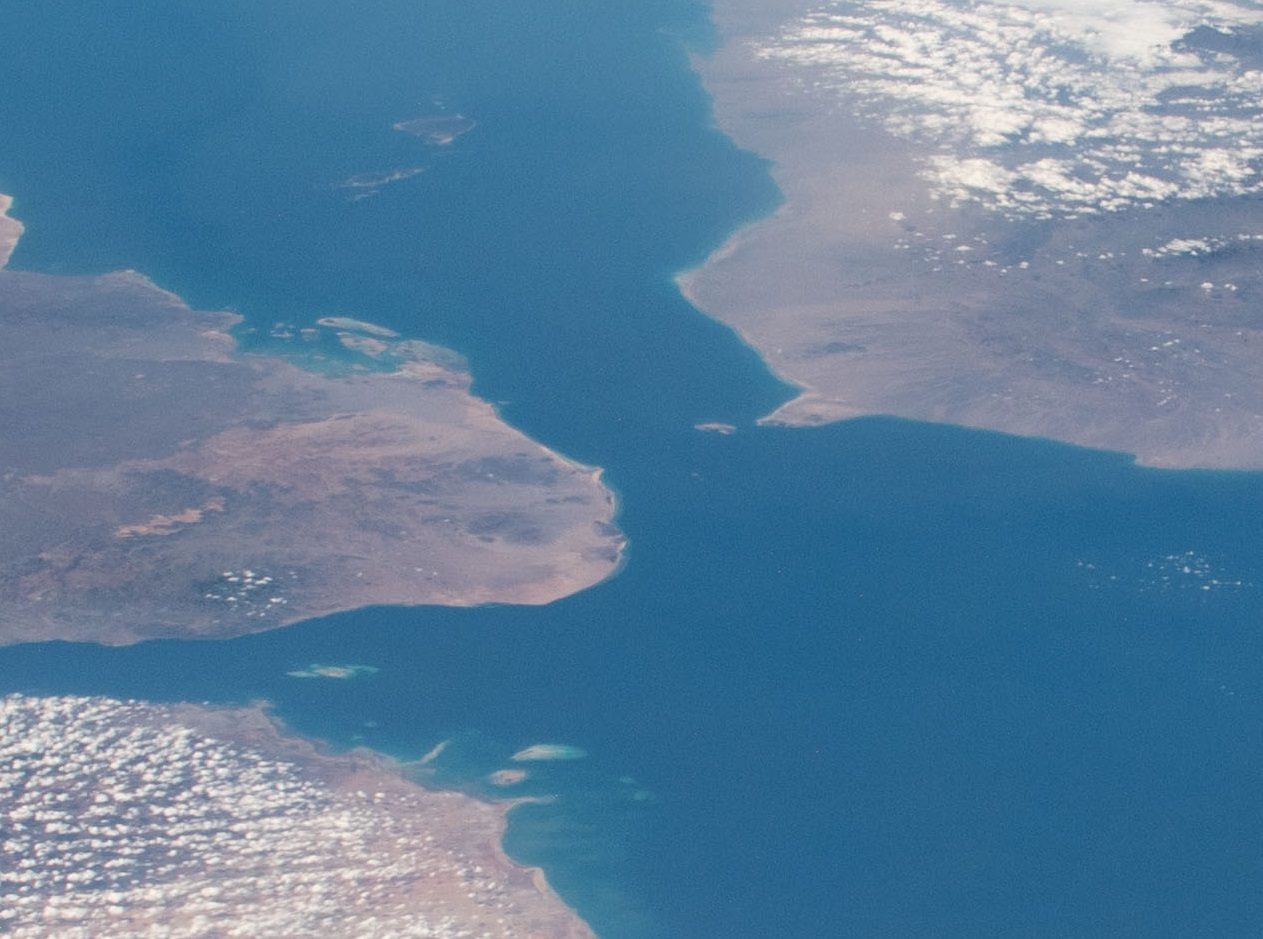
Houthi forces are now in full control of the Bab al-Mandab Strait and the nearby offshore islands, after the army of Yemen's internationally recognised government withdrew from the Red Sea coast to defend its interim capital, Aden.
The Iran-backed rebels, who seized much of Yemen in 2014, made a lightning dash down the Red Sea coast that sent the Yemeni army into headlong retreat. A brief counter-offensive appears to have failed.
The strait forms the southern exit of the Red Sea. In normal times it accounts for around 12% of global trade, with anywhere between 70 to 150 ships a day making the transit. The Houthis say they are no threat to maritime traffic, but they are at war with Saudi Arabia, which makes it hazardous for Saudi tankers to pass the rebel-held coast.
The oil route has been disrupted once already. When the US and Israel started a war with Iran in February, Tehran choked off much of the oil trade leaving the Gulf through the Strait of Hormuz, sending oil prices soaring and boosting inflation. Saudi Arabia shifted to pumping crude overland through its East-West Pipeline to an export terminal at Yanbu. In July a cold truce between Saudi Arabia and the Houthis broke down, the pipeline was hit by drones, and the rebels began firing missiles and drones at targets across Saudi Arabia.
Nicholas Hopton, a former British ambassador to Yemen and Iran and now director-general of the UK-based Middle East Association, said the government's decision to prioritise the defence of Aden "suggests that the war is not going well for the Saudi-backed government". He added: "the rest of the world should be worried." If the port city, home to roughly 1.25 million people, fell, he said, it would "precipitate a further escalation in the regional crisis" and "further fragility in the global economy".
Mohammed al-Basha, founder of the US-based Basha Report, believes the Houthis would struggle to capture the heavily fortified city. Any attempt to seize a densely populated city like Aden "would come at a significant human cost", he said, and the rebels appear to be seeking a negotiated surrender by exploiting divisions among southern factions.
Col Iain Smailes, a former British defence attaché to Yemen, warned the advance could trigger a spike in oil prices, as happened when the Houthis seized the strait in September. Control of the coastline, he said, would increase their ability to smuggle weapons from Iran and the Horn of Africa, and let both Iran and the Houthis "extend their influence in East Africa and beyond".
Sources — how we know this
- PrimaryBBC World News
Energy Portfolio
Check your broker for the latest on energy stocks.
View Now →