This story is currently available in англійська only — a translation isn't ready yet.
Iran says it captured a US drone over Hormuz and that six tankers sank
The IRGC Navy reported that it seized an MQ-170 type drone through electronic warfare and that two tankers caught fire after striking mines; in a separate incident, the Panama-flagged tanker On Phoenix was struck while leaving Hormuz.
ℹ️ Озвучка браузером · студійний голос ШІ незабаром
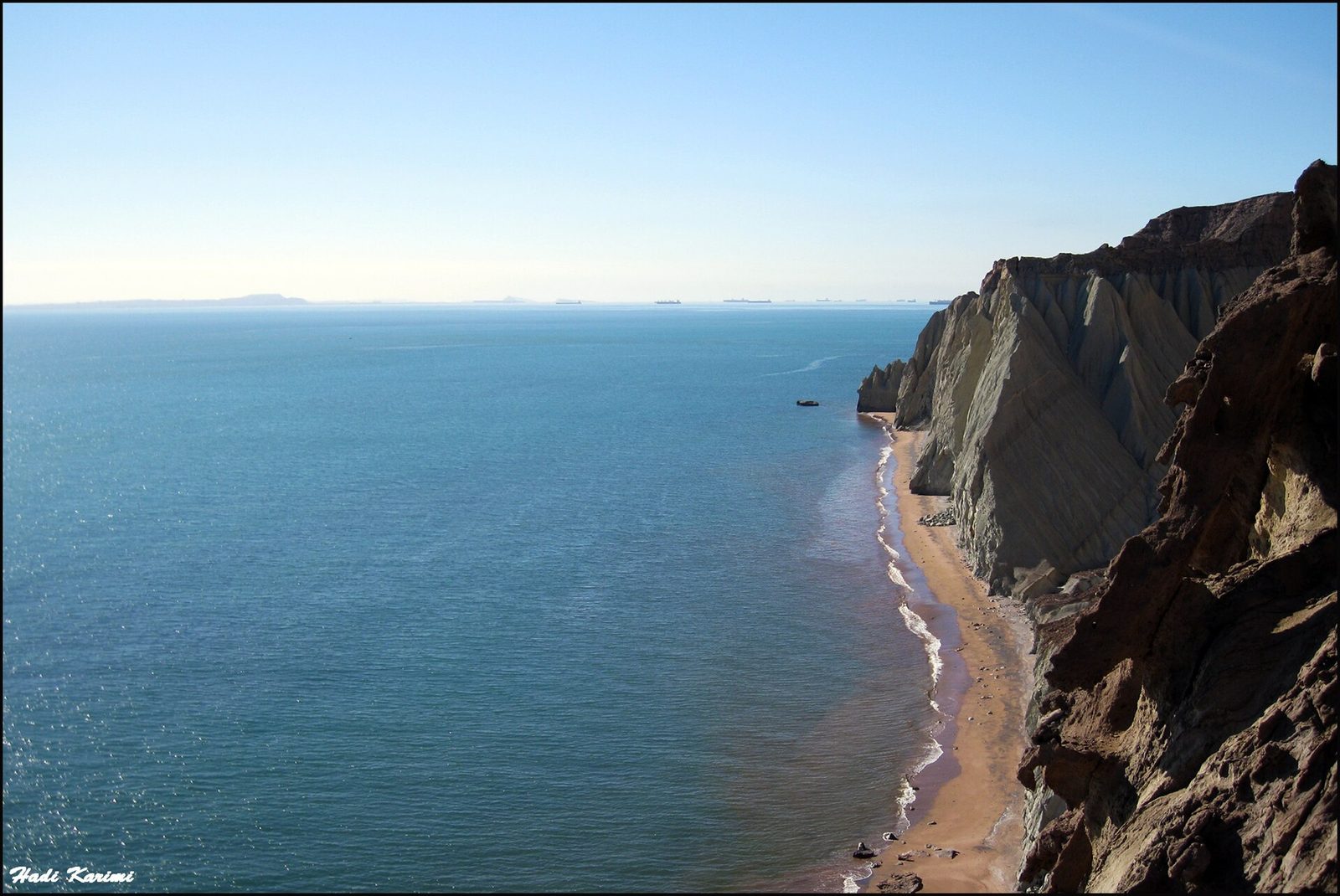
The Public Relations Office of the IRGC Navy announced on Monday that it brought down a US MQ-170 type unmanned aerial vehicle south of Qeshm Island in the Strait of Hormuz and captured the vehicle intact. The office described the operation, carried out in the field of electronic warfare, as successful. According to Iran's Mehr news agency, the drone was conducting a reconnaissance mission against air defense and electronic warfare systems in the region; through an electronic attack mounted by IRGC elements, its guidance systems were taken over and the vehicle was forced to land. According to the statement, this is the fourth drone of the same type to be captured intact; the total number of vehicles that IRGC air defense units say they have captured intact around Hormuz is eight.
On the same day, the IRGC Navy announced that two oil tankers, while trying to use an unauthorized southern transit lane, struck naval mines, exploded and caught fire. According to the statement, the tankers were moving under the supervision of US officers and with the support of US warplanes; the explosions occurred near two tankers that had exploded earlier. According to Iran, six oil tankers have caught fire and sunk since Sunday. The statement contained no independent information confirming the circumstances of these incidents.
In a separate incident, Britain's maritime security agencies reported that an oil tanker was struck by an unidentified projectile while leaving the Strait of Hormuz. The United Kingdom Maritime Trade Operations (UKMTO) said the vessel's security officer reported the projectile hit and that the entire crew was safe. The British maritime security company Vanguard said the Panama-flagged vessel On Phoenix was struck about 3 nautical miles, or 5.6 kilometers, off the Omani coast, that the projectile hit the engine room and that a fire broke out.
These incidents are taking place against the backdrop of the Middle East war that began after US and Israeli strikes on Iran on February 28. Since that date, Tehran has tightly restricted navigation in the Strait of Hormuz and targeted vessels attempting to pass without permission, while Washington has imposed a naval blockade on Iranian ports and sought to help tankers transit the strait. Before the war, about one fifth of world oil supply passed through this strait.
On the nuclear file, Iran announced that it will not allow UN inspectors access to its damaged facilities until the war ends permanently and Tehran's conditions are met. Deputy Foreign Minister Kazem Gharibabadi said in a television interview broadcast on Sunday night that his country would not give the International Atomic Energy Agency access to the damaged facilities, and that this would not happen "before Iran's conditions are met and the war ends permanently." This stance came days after the agency's call for steps that would allow inspections to resume; inspections have been suspended since the 12-day war with Israel, during which Iran's nuclear sites were also targeted by US strikes. Iran's nuclear facilities were struck again in the war that began on February 28; according to reports, Iran's Supreme Leader Ali Khamenei lost his life in the war. Agency inspectors visited the Bushehr nuclear power plant in September, but Tehran did not allow entry to other bombed sites, including Fordo, Natanz and Isfahan. Gharibabadi argued that the agency's request to inspect the damaged facilities was aimed at measuring the effectiveness of US weapons.
Earlier this month the US military offered a $20 million reward for information on Iran's nuclear program; Tehran described the move as "disgusting." Iran's demands include reopening the Strait of Hormuz in exchange for the release of frozen financial assets and the lifting of US sanctions; Iranian officials say negotiations on the nuclear program will be taken up at a later stage.
Sources — how we know this
- PrimaryAsharq Al-Awsat