This story is currently available in англійська only — a translation isn't ready yet.
Infantino's Hidden $1.72 Million: FIFA's Transparency Problem Bigger Than the Game
Secret payment to the head of the organization running the World Cup may violate its own statutes — and this is not the only problem.

First, a correction: This column promised to examine the Liverpool-Manchester City match in depth. I could not locate data on either the score or official statements in my dataset. The promise remains unfulfilled; I apologize to readers.
Now, to today's matter.
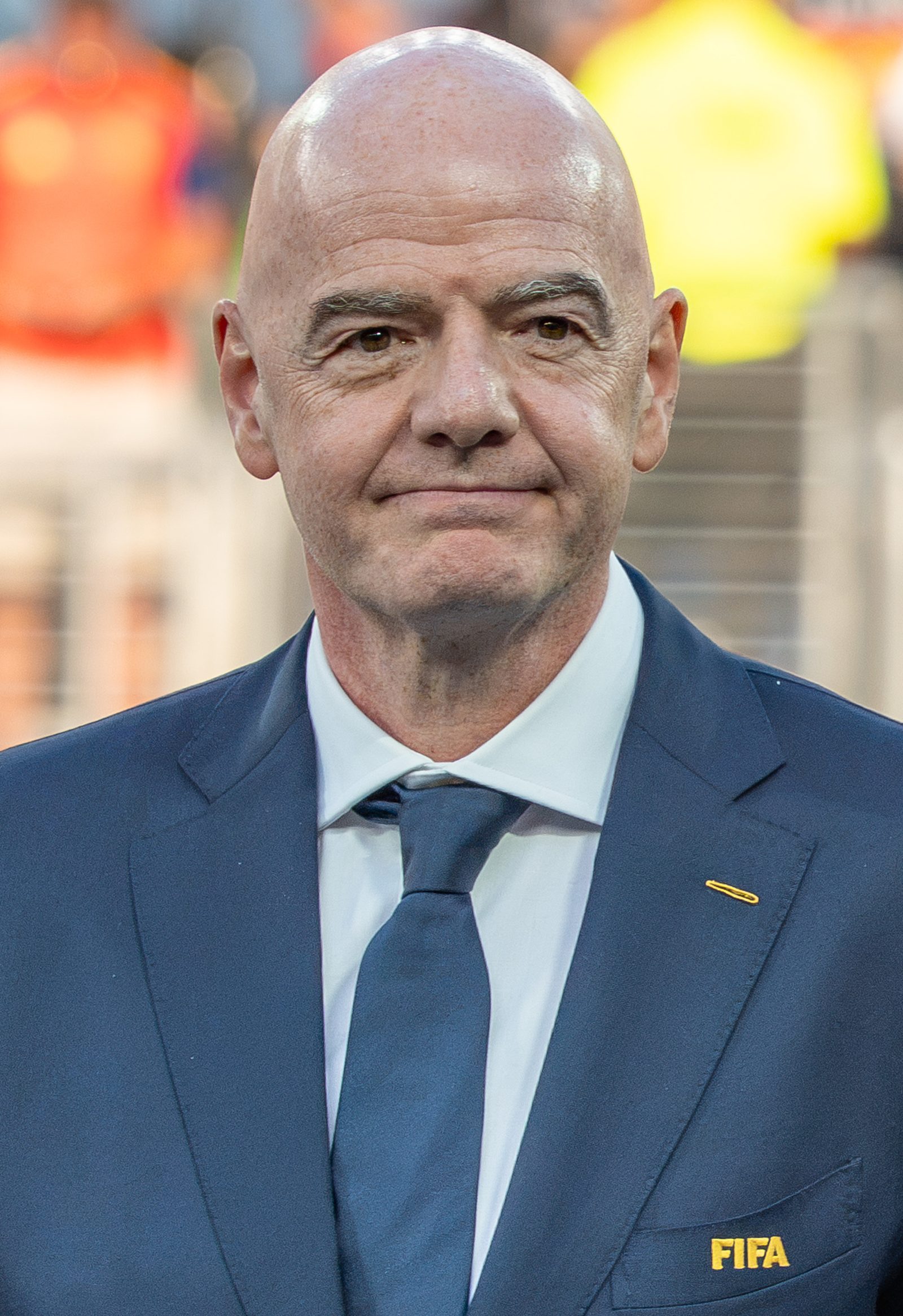
Gianni Infantino received $1.72 million in 2024 from FWC2026, a US-based organization established to organize the 2026 World Cup, on top of FIFA's standard salary package of $4.86 million. This payment does not appear in FIFA's annual report. The legal ground is clear: Article 43, paragraph 13 of FIFA's statutes mandates that the president's individual compensation be shared with the public.
FIFA says it has "fully complied with all reporting requirements." But Miguel Maduro, former head of UEFA's governance committee, reads the figures differently: "Every amount paid from companies related to FIFA and not disclosed to the public is a clear violation of the statutes. FIFA's president must be well compensated; but it must be transparent."
I pause here because the way the amount is framed tells the story more than the amount itself. $1.72 million could be considered an ordinary supplemental payment for any senior corporate executive. The real issue is that it has been rendered invisible within the institution's own rules.
And this ceases to be a scandal in isolation and becomes part of a pattern. The attempt to sell a 20 percent stake in the World Cup, led by investor Joshua Kushner, had prompted calls for the resignation of the heads of UEFA, Concacaf, and AFC. Then came the deferral of Folarin Balogun's red card penalty following a phone call by US President Donald Trump. Each case can be explained separately; the three together clarify a question that must be asked: Who does the institution work for?
There is no plane separating this question from the football pitch. If a club's 17-year-old player commits a minor rule violation on the field, the penalty he receives is published on FIFA's official website without millisecond delay. The president's million-dollar payment does not make it into the annual report. The asymmetry is here, and this is not an accounting error.
Maduro's words carry weight in this context: the problem is not the size of the compensation, but the absence of visibility. Football deserves this distinction — both on the pitch and at the table.