This story is currently available in англійська only — a translation isn't ready yet.
Iran drafts zero-oil budget as blockade cuts revenue toward December cliff
Iranian oil output has fallen below 2 million bpd from 3.59 million in February, with analysts warning of a cash-flow crisis by mid-December.
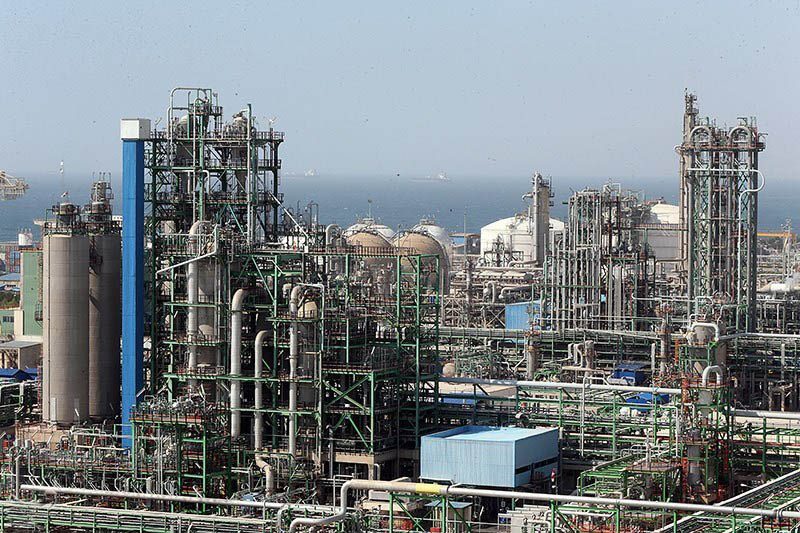
Iran's government is preparing next year's budget on the assumption that oil revenue could fall to zero, after a senior budget official told ministers on Monday to plan for that scenario.
Iran has loaded no crude since 25 August, and oil held at sea outside the US naval blockade fell from 88.8 million barrels in mid-July to zero by mid-October, with a further 43 million barrels stranded inside it. Chinese buyers typically pay one to two months after delivery, putting potential revenue stoppage around mid-December, according to Kpler. Oil accounts for roughly 30% of the government budget directly, and 50% to 60% of total regime revenue once indirect income is counted.
Iranian production has fallen below 2 million barrels per day from 3.59 million in February when the war began. OPEC's latest report puts Iranian output at almost half its pre-war level.
Iran's Statistical Centre put total GDP 10.1% lower year on year in the three months to 20 June, with non-oil output down 4.6%. Year-on-year inflation stood at 88.7% in the month ending 22 October. Food prices have more than doubled since last December: eggs rose 149%, imported rice 115%, milk 113% and red meat 104%.
Budget official Mohammad Ghasemi has placed salaries, pensions and debt payments at the top of a three-tier spending plan and ruled out direct borrowing from the Central Bank. The government plans to cover gaps through oil deposit certificates, customs duties and tighter tax collection, and to extend its Kalabarg electronic coupon system to around 45 million low-income Iranians.
Analysts differ on the severity. Miad Maleki of the Foundation for Defense of Democracies said December represents "a cash flow kind of disruption, and not really a collapse state." Esfandyar Batmanghelidj, founder of the Bourse & Bazaar Foundation, described Iran's situation as "a deep recession caused by an external shock." Tehran economist Albert Baghzian warned the government should write any deficit into the budget from the outset to avoid central bank borrowing that inflates the monetary base.
Sources — how we know this
- PrimaryOilPrice Energy
Energy Portfolio
Check your broker for the latest on energy stocks.
View Now →