This story is currently available in англійська only — a translation isn't ready yet.
Kushner and Witkoff head to Berlin as Putin's demands stall Ukraine talks
The two US envoys will meet an eight-member European team on Thursday while Trump meets Putin and Xi Jinping in Shenzhen.
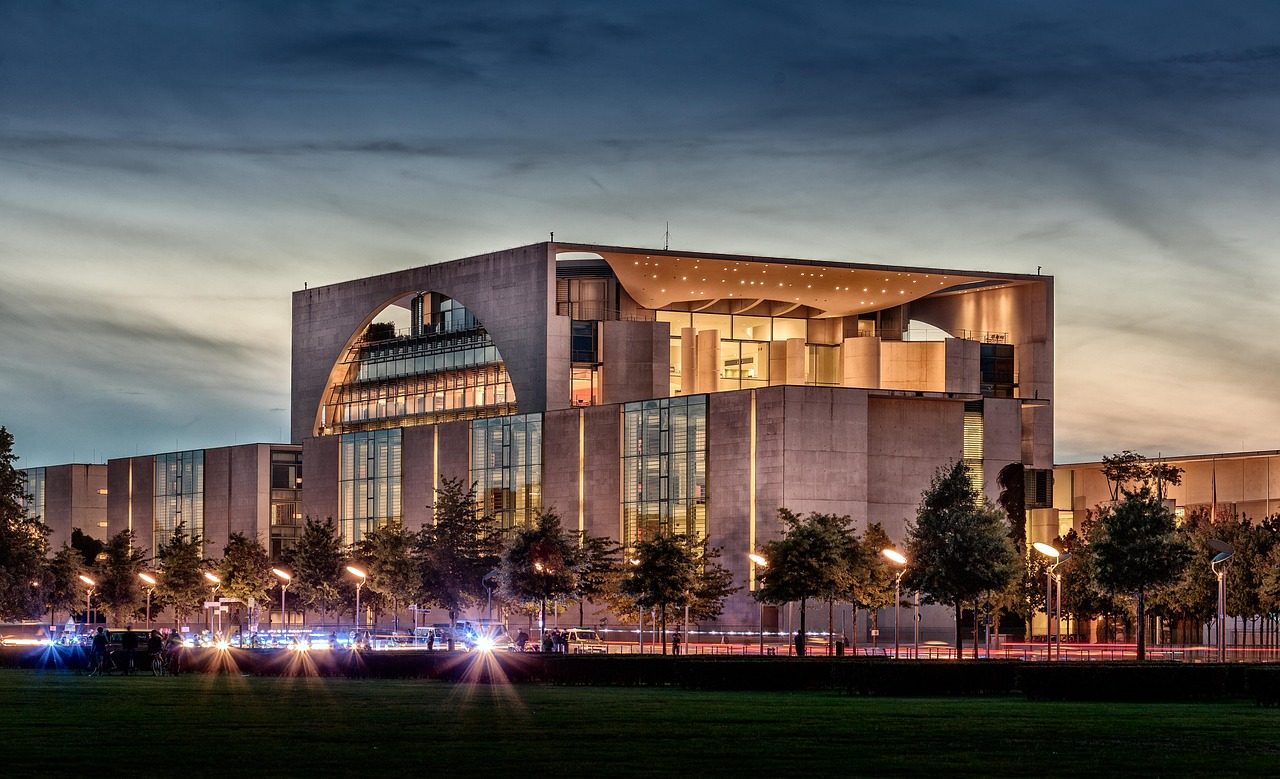
Jared Kushner and Steve Witkoff will travel to Berlin on Thursday to meet an eight-member European negotiating team, as the envoys' push to end the war in Ukraine runs into Vladimir Putin's hostility toward Europe and Europe's suspicion of Russia.
The two envoys are not expected to join President Donald Trump's scheduled meeting on Thursday with Putin and Xi Jinping, China's leader, in the Chinese city of Shenzhen, a U.S. official familiar with the plans said.
At the Kremlin last week, Putin questioned whether Europe actually wanted to end the war, pointing to a frequent Russian talking point: the claim, denied by Ukraine's leader, that European countries blocked a peace deal negotiated in Istanbul in March 2022. Kushner and Witkoff pushed back, describing the Europeans as constructive in seeking peace, one person with knowledge of the meeting said.
Russia opened the current talks with an aggressive demand that NATO pull back forces from its eastern flank. At a meeting in Abu Dhabi last week — the first face-to-face session among officials of the three countries since February — Russian officials sought a fundamental revision of what they called Europe's "security architecture," reducing NATO's presence on the continent and granting Moscow a region of influence akin to the Cold War era.
A one-page paper outlining Russia's opening position also called on the European Union and NATO to stop classifying Russia "as an adversary or threat" and to renounce "their course towards inflicting a 'strategic defeat' on Russia." It called for improved "incident-prevention mechanisms," especially in the Baltic Sea and the Black Sea.
As Russian official Vladimir Medinsky read out some of the demands in Abu Dhabi, Kushner cut in to ask what reciprocal steps Russia would take to reduce tensions, two people familiar with the talks said. The Russians said they would work on that.
Senator Tom Cotton, Republican of Arkansas, said Moscow's demands showed Putin was "not serious about a negotiated peace." "Further talks are a farce at this point," he said on social media.
Putin's foreign policy adviser, Yuri Ushakov, said Monday that "a great deal would have to be done" before Europe could join the talks among Russia, Ukraine and the United States. Kaja Kallas, the European Union's top diplomat, said at a news conference Monday that "there are still no signs of Moscow preparing for peace."
Ukraine's foreign minister, Andrii Sybiha, said the demands were delusional for a country bogged down on the battlefield. "To propose ideas on that scale," he wrote in a social media post, "you first need to win a world war."
Kushner said on social media over the weekend that "both sides understand that practical compromises will be necessary to end this war," and said Monday that "we are making progress" toward a "lasting peace."
European leaders, especially from countries like Poland on NATO's eastern flank, have described Russia's demands as an unacceptable threat to their security. The European negotiating team involves senior officials from the U.K., France, Germany, Italy and Poland; two European Union bodies; and NATO. Ukrainian officials will join Thursday's meeting in Berlin.
Sources — how we know this
3 independent sources corroborated this
- PrimaryThe New York Times — U.S.
- CorroboratingUkrinform
- CorroboratingTASS English