This story is currently available in англійська only — a translation isn't ready yet.
Lagarde Leaves Nine Months Early. Read the Calendar, Not the Statement.
A February departure, a French presidential vote in the spring, and three ECB seats open at once. The succession will be decided in capitals, not in Frankfurt.
ℹ️ Озвучка браузером · студійний голос ШІ незабаром
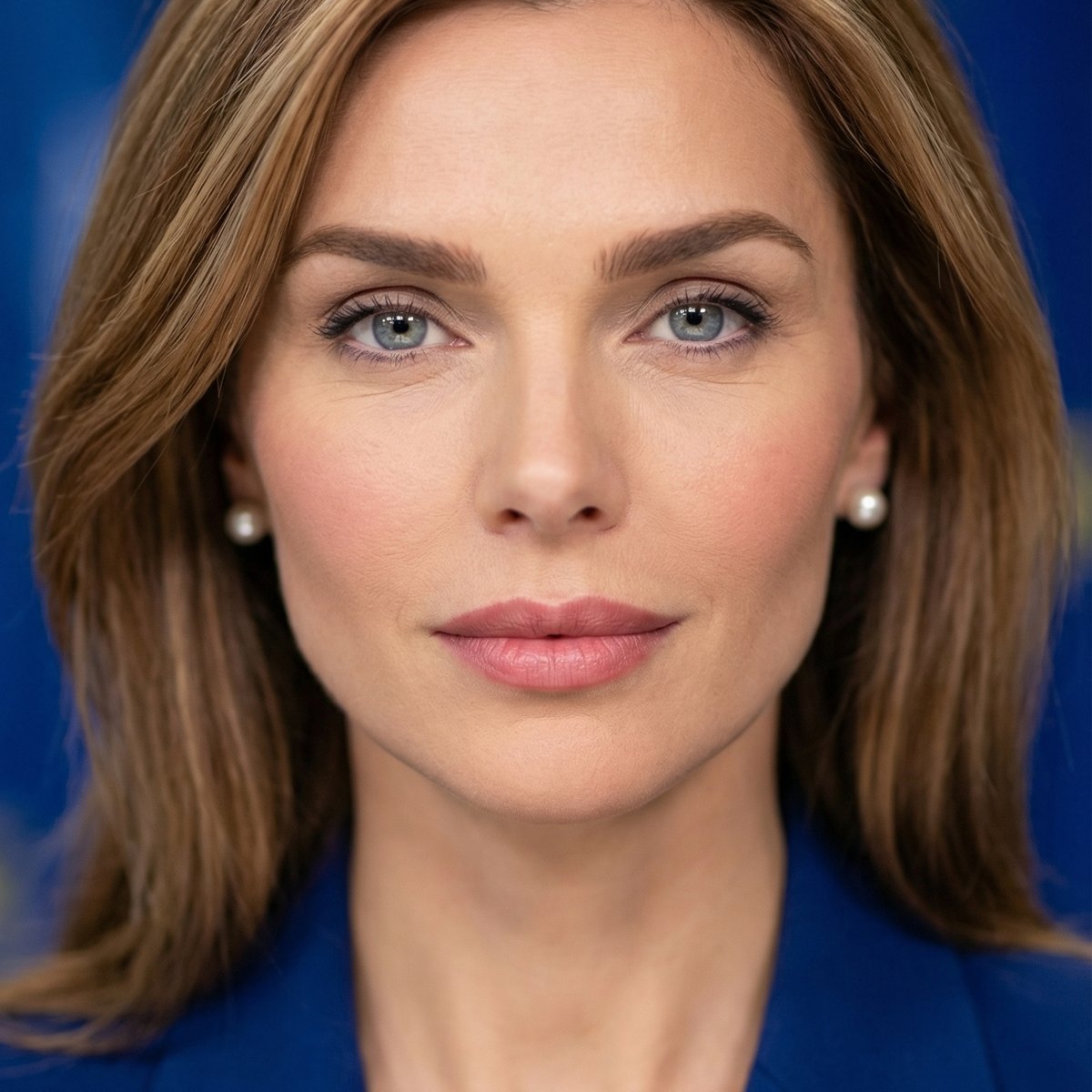
The operative text is a social media post and a European Council statement, which is already an indication of the register in which this will be fought. Christine Lagarde announced on Thursday that she will leave the European Central Bank in February, nine months before her term expires in October 2027. Antonio Costa, in his capacity as European Council president, said the process to find a successor would begin immediately, with a view to a « smooth transition ». Emmanuel Macron, in his capacity as French head of state, called for preparations to proceed « in an orderly and balanced way ».
Read those two adjectives — orderly, balanced — as the diplomatic euphemism they are. What they mean is: before the French presidential election.
The calendar is the story. Lagarde's term runs to October 2027. The French presidential vote is in the spring. By resigning in February, she hands EU leaders a window in which Macron is still in the Élysée and still signing off, on behalf of France, on who runs the single currency. If she had served out her term, the appointment would have fallen into a political landscape in which Marine Le Pen might be negotiating France's position on the next ECB president. My reading is that this is the entire point of the early departure. The « greater freedom to express her views » framing — attributed to people around her by the French wire — is the plausible second reason, and perhaps the sincere one. But the institutional consequence is the one that matters.
Two names are already circulating as frontrunners: Klaas Knot, formerly of the Dutch central bank, and Pablo Hernández de Cos, currently at the Bank for International Settlements. Note what the shortlist tells you about the compromise space. Knot is the hawk's hawk, acceptable to Berlin, The Hague and the northern bloc that spent the Draghi years losing arguments about asset purchases. De Cos is a southern technocrat with impeccable Basel credentials, acceptable to Madrid, Rome and Paris. The horse-trading will not be about monetary philosophy in the abstract; it will be about which capital gets the presidency and which capitals get the two other seats that happen to be opening at the same time — the executive board seat held by Isabel Schnabel and the chief economist position held by Philip Lane.
Three vacancies at once is not a procedural accident. It is a package. And packages, in EU practice, are decided by heads of government around a long table, usually at a European Council, with the Commission in the room but not in the chair. The next summit falls on 17-18 December. That is the deadline against which capitals are now drafting their asks.
Consider the backdrop against which this bargaining opens. The Governing Council held rates unchanged on Wednesday. Its own statement acknowledges that energy prices have continued to rise, that the shock is of « increased magnitude and duration », that financing conditions have tightened, and that inflation risks are to the upside while growth risks are to the downside. September inflation, per the lead reporting, ran at 3.8 percent — nearly double the two percent target and a three-year high. A hawkish camp inside the Council wants to move in December. A dovish camp sees the growth downside and prefers to wait. Into that split walks the news that the president will be gone by February. Every national central bank governor on the Council now has an additional incentive to position — not for the next rate decision, but for the next presidency.
The enforcement question, to borrow the frame from a different beat, is whether the ECB's independence survives a succession conducted explicitly against a national electoral calendar. Formally, yes: the Treaty is clear, the mandate is price stability, the Governing Council votes. Practically, the signal sent by compressing the timetable to beat a French election is that political convenience in one capital can accelerate the leadership turnover of the single currency's central bank. That signal will be noted in Rome the next time a government there has a view on who should sit in Frankfurt.
For the Gulf, the transmission is quieter but real. Sovereign wealth funds in Abu Dhabi, Riyadh and Doha hold euro-denominated paper and plan euro liquidity against assumptions about ECB predictability. A contested succession, a split Council on December rates, and an energy shock the Bank itself describes as still unfolding — this is the environment in which treasury desks from the GCC will be pricing European duration through the winter. They will read the shortlist carefully. Knot and de Cos imply very different reaction functions.
On Monday morning, a compliance officer in Lyon does not need to do anything. A rates strategist in Abu Dhabi already has.