This story is currently available in англійська only — a translation isn't ready yet.
Merz claims Germany's seat at future Ukraine peace talks at Dublin EU summit
Germany's chancellor wins backing from Baltic, Benelux and Baltic leaders for linking Ukraine aid to EU budget negotiations, as Kallas warns against pre-ceasefire security talks.
ℹ️ Озвучка браузером · студійний голос ШІ незабаром
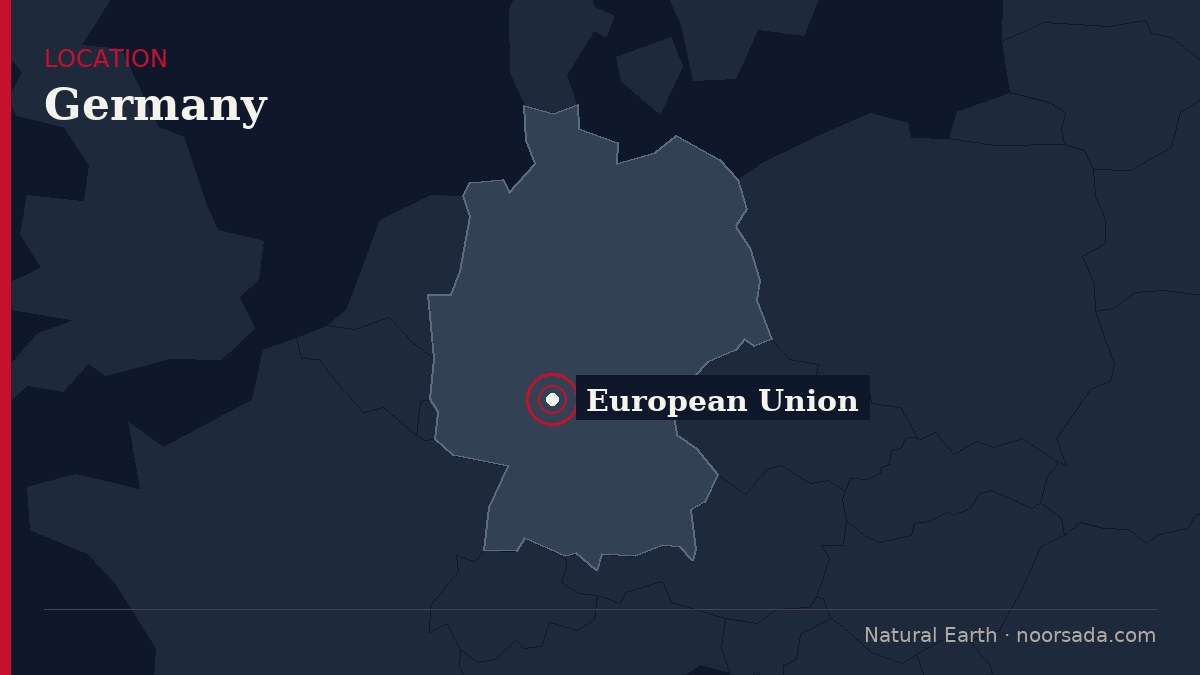
Chancellor Friedrich Merz declared Germany a guaranteed participant in future Ukraine peace negotiations at an informal EU leaders' summit in Dublin on Friday, saying the upcoming talks would take place "in the circle of Europeans" who attended Abu Dhabi this week.
"Germany is included — that is completely clear," Merz said, adding that Germany would continue to represent shared European interests.
The Abu Dhabi talks between Russian and Ukrainian delegations, US-mediated, were the first since February. Europeans were not at the main table but held separate discussions on the sidelines. Russian negotiating chief Vladimir Medinsky said Moscow had received "not a single peace initiative and not a single concrete peace proposal from European countries," questioning what there was to discuss with Europe. Kremlin spokesman Dmitri Peskov had separately said Russia had not yet decided whether to expand the talks format to include Europeans — a comment Merz dismissed as "the usual game we see again and again from the Kremlin spokesman."
Ukrainian President Volodymyr Zelenskyy said Europeans would join the next round. US envoy Jared Kushner also said a Ukraine-Russia agreement was impossible "without Europeans at the table."
EU foreign policy chief Kaja Kallas warned against engaging with Russia's demand for talks on a new European security architecture before any ceasefire. "If we start talking about what Russia demands regarding security architecture, we walk into the traps Russia sets for us," she said, adding: "The aggressor has no security concerns. No one has ever attacked him."
Merz's proposal to link future Ukraine financing to the EU budget negotiations drew open support in Dublin. Estonian Prime Minister Kristen Michal said he welcomed the message that Ukraine support belongs "in our central security and our central financing." Latvian Prime Minister Andris Kulbergs said he agreed with Merz "completely." Luxembourg's Prime Minister Luc Frieden said common financial commitments were part of standing with Ukraine.
Opposition came from Slovakia, whose Prime Minister Robert Fico called the linkage "blackmail." Czech and Slovak governments had previously insisted the EU budget must not be tied to Ukraine aid.
Ukraine faces an estimated shortfall of 70 billion euros next year, with roughly 45 billion euros expected to come from an EU proposal. The EU had already approved 90 billion euros for Ukraine covering 2026 and 2027, with the Czech Republic, Slovakia, and Hungary having secured exemptions from that credit. Bulgaria has also indicated it will not participate in new loans.
Sources — how we know this
2 independent sources corroborated this
- PrimaryTagesschau
- CorroboratingKyiv Post