This story is currently available in англійська only — a translation isn't ready yet.
Meta's Voting Rights Sleight of Hand and the Gulf's Quiet Move
Zuckerberg wants the money and control both. If this structure works, it becomes a template for Gulf capital.
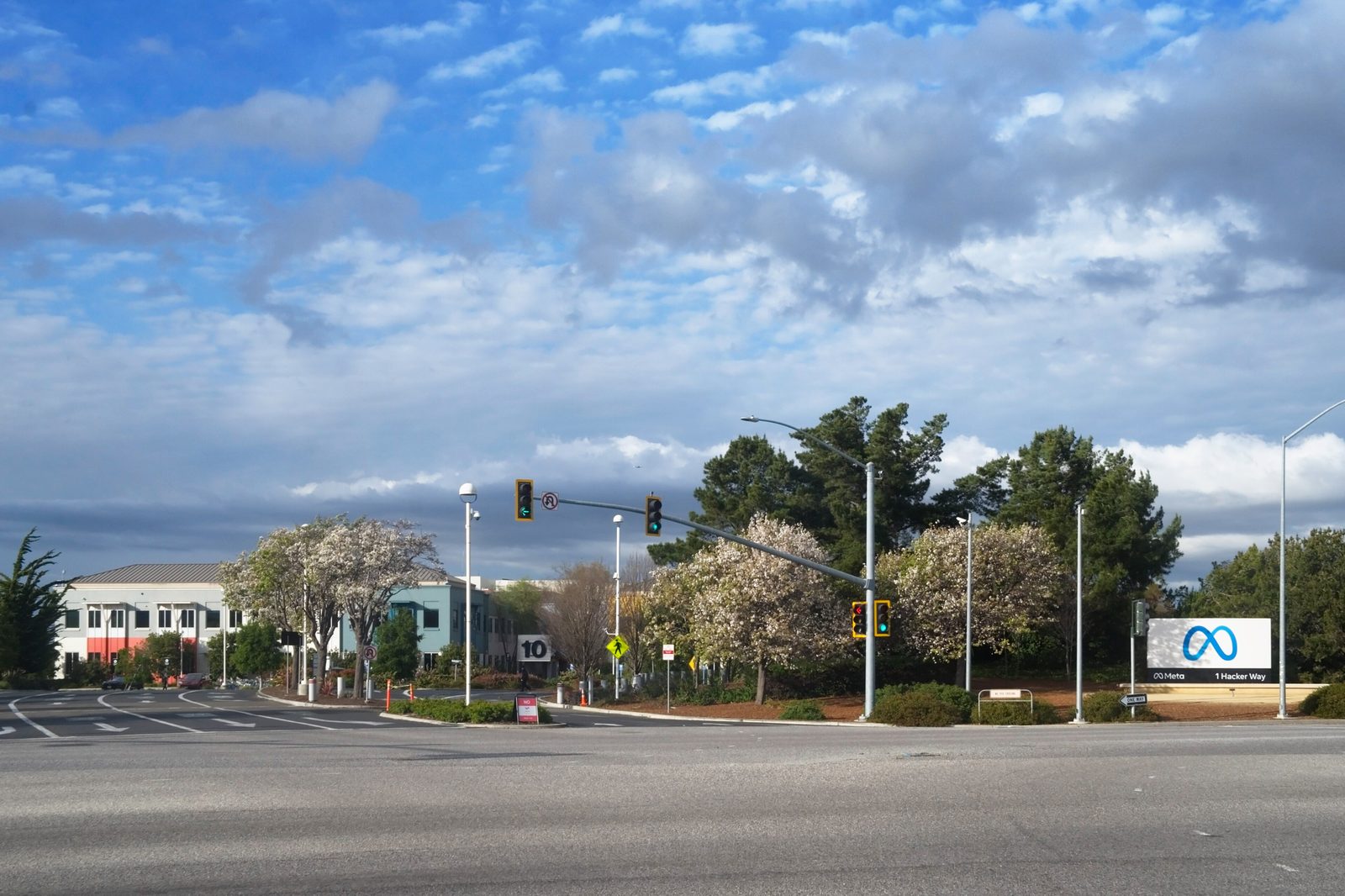
Mark Zuckerberg told investors last Wednesday evening: the company will create a new share class — one with no voting rights, meaning you will buy it but have no seat at the decision table. CFO Susan Li framed this as 'preserving founder-led structure.' I would call it something different: a no-strings-attached money offer. Take the cash, give zero say. Not a bad deal, if you can convince the other side to accept it.
Meta's third-quarter numbers will make that persuasion easier. 64 billion dollars in revenue, 26 percent growth year-over-year. There is a story to tell shareholders. The problem: expenses grew 68 percent in the same period. Reality Labs alone will lose 18–19 billion dollars this year. This means the capital scale Zuckerberg needs makes traditional borrowing instruments feel tight. The new share class is designed to fill that gap.
Now let's turn to Blackstone. With 1.3 trillion dollars in assets under management, the firm sits squarely in the center of this capital race. In Jas Khaira's words, the structure's essence is 'compute financing' — that is, massive loans to data centers. In the mobile or SaaS era, mid-sized investment could reach billions of users; that math no longer holds in the current cycle. According to Khaira, the capital requirements of AI infrastructure are incomparable to previous technology waves. Blackstone, through its San Francisco-based BXN1 group, is positioning itself as a financer of this transformation.
This is where it gets interesting. Let's trace the value chain in one paragraph: Meta produces content, sells advertising, uses that money to build data centers; Blackstone extends credit to those data centers or becomes a direct partner; the new share class opens a fresh capital channel to Meta without diluting Zuckerberg's control. At each link in the chain, a different actor gains margin — but none of them wants to lose control.
So what does this picture mean for the Gulf?
Riyadh and Abu Dhabi have directed billions of dollars to AI infrastructure over the past two years. Strategic fund structures already existed; now a new product is emerging that feeds those structures: non-voting Meta shares promising high returns. Theoretically a compelling tool for Gulf sovereign wealth funds. To participate in global AI gains without taking control, without creating regulatory complications, and without generating geopolitical noise — this aligns perfectly with the Gulf's recent investment logic.
But let's pause for a moment. Muse's user numbers are genuinely striking: over 10 million users in the U.S. and Canada in 1.5 months, 25 percent daily active usage rate, average cart size for shopping users above 200 dollars. Zuckerberg himself reported that transaction volumes flowing through Plaid's connection have reached unprecedented levels in the sector. These numbers are not fabricated — the product works. I have no reason to call Muse vaporware.
The problem is this: a working product is not the same as a sustainable revenue model. Muse is shopping users on this ten-million-user base — but how much commission Meta takes from this intermediation, how it relates to ad revenue, and whether the agent can stand on its own feet in the long term remain unclear. Zuckerberg said 'we expect to serve billions of people'; that is a target, not the current state.
The proposal that came from Kazakhstan at the SCO meeting deserves reading in this context too: Prime Minister Bektenov proposed establishing a network of AI centers under the SCO umbrella. Is Central Asia's proposal symbolic, or a real infrastructure plan? The framework voiced in Dushanbe can be read as an effort to extend existing cooperation mechanisms with China and Russia into the technology sphere. I suspect the Gulf is watching this SCO move carefully — because multi-lateral AI architecture is strategic insurance for any country that wants to reduce dependence on platforms controlled by a single actor.
My reading is this: Meta's new share structure is a precedent in the capital architecture of this cycle. If it works — if markets actually buy non-voting shares at real prices — other major platforms will follow the same path. At that point, Gulf funds will face a dilemma: is it smarter to participate in these instruments, or to build independent regional AI infrastructure and stay outside this race? Right now they seem to be testing both strategies simultaneously. That may well be the only sensible answer.
One final note: Reality Labs will still lose 18–19 billion dollars and we are calling that 'improvement.' The technology sector really does have its own special art form when it comes to loss accounting.