This story is currently available in англійська only — a translation isn't ready yet.
MSF warns diphtheria antitoxin shortage threatens Nigeria's outbreak response
The medical charity says stocks of the only specific treatment for diphtheria are dangerously low as northern Nigeria's toll passes 1,260 deaths.
ℹ️ Озвучка браузером · студійний голос ШІ незабаром
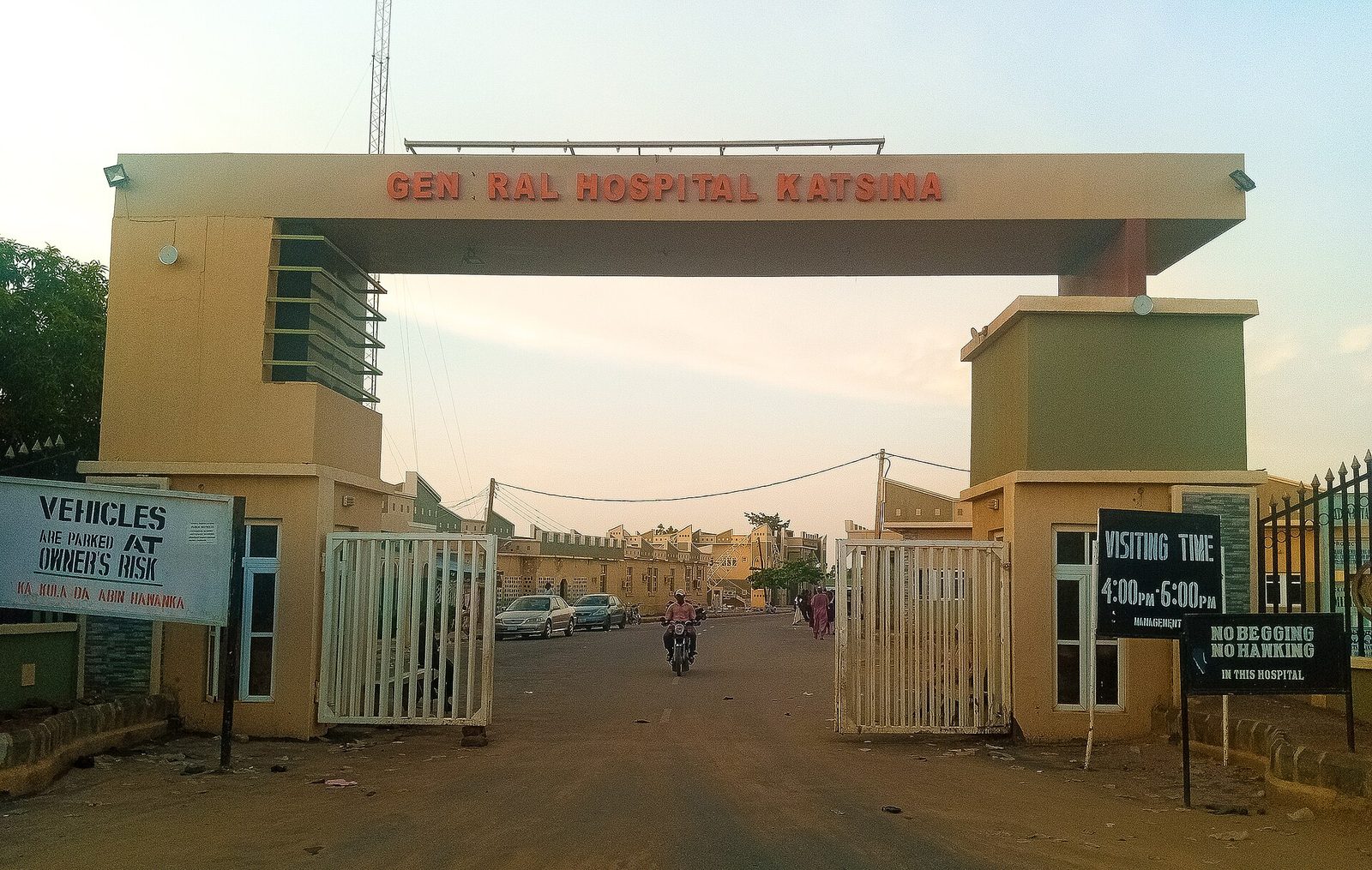
Médecins Sans Frontières warned that dangerously low stocks of diphtheria antitoxin (DAT) are undermining efforts to contain northern Nigeria's outbreak, which has killed more than 1,260 people since it began in late 2022.
The medical charity said global availability of DAT — the only specific treatment that neutralises the toxin the disease produces — remains inconsistent, and that its teams are being forced to ration doses. The drug is most effective when administered within 48 hours of symptom onset.
"The global shortage of diphtheria antitoxin is becoming a matter of life and death," said Dr David Kizito, MSF medical coordinator in Nigeria. "Our stocks are dangerously low," he said, warning that MSF risks being unable to treat children and save lives as the outbreak continues.
Nigeria has recorded more than 41,000 suspected cases and over 24,000 confirmed infections. In 2026 alone, to 9 August, it logged 12,977 suspected cases, 10,476 confirmed infections and 406 deaths. Bauchi, Borno, Kaduna, Katsina, Kano, Plateau, Sokoto and Zamfara remain particularly affected.
MSF urged federal and state authorities, donors and international partners to secure existing DAT supplies and vaccines, and to ensure timely clearance at ports of entry and rapid distribution across the affected areas.
In Zamfara, where an outbreak was declared in September, facilities MSF supports in Gusau recorded more than 671 admissions in the month from 6 October; four out of every five patients had not been vaccinated. Only 25,000 of the 90,000 doses needed for a reactive campaign have been supplied, leaving around three out of four children unreached.
Since the start of its response this year MSF has treated more than 9,000 diphtheria patients. In Kano it supported two vaccination rounds in April and June, administering more than 835,000 doses; in Sokoto two rounds between February and April reached 49,018 children under 15. In Bauchi, MSF support cut the case fatality rate from 8.7% to 1% while treating at least 1,890 suspected patients between August 2025 and May 2026.
Without appropriate treatment, 30 to 40 per cent of people with diphtheria may die. MSF said manufacturers produce DAT in small quantities because demand is unpredictable and financial returns low, and that most countries, Nigeria included, hold no contingency stocks.
Sources — how we know this
- PrimaryReliefWeb Updates