This story is currently available in англійська only — a translation isn't ready yet.
Nobel Prize Legitimacy Erodes as Winners Emerge From Fiction
A former PM discovers her legacy in fiction. A CEO thanks the man dismantling his workforce. A sitting PM promises Europe — eventually, probably, if you're patient.

1. THE BOOK OF COUNTERFACTUAL WONDERS
Liz Truss was prime minister for 49 days before the bond market delivered its verdict. Her new book, 'Bank Job,' delivers hers: if only everyone had let her continue, Britain would have launched several missions to Mars by 2040. The pound crashed; apparently the rocket fuel was fine.
The book assigns blame for her government's collapse to the Bank of England, the Treasury, and the Office for Budget Responsibility — a coalition of institutions so powerful it apparently bent the laws of finance to destroy a single mini-budget, while remaining too incompetent to stop the chaos that followed. Truss lost her parliamentary seat in 2024. She has since been busy launching the UK branch of the Conservative Political Action Conference, which is perhaps the most Mars-appropriate career move available to her.
2. THE CEO WHO THANKED THE TARIFF
Audi CEO Gernot Döllner appeared at a campaign rally alongside U.S. President Donald Trump in Georgia on Saturday, where Trump announced Audi's plans to invest around $4 billion in a new American factory. Döllner took the stage and expressed his gratitude. Back in Germany, Volkswagen — Audi's parent — is in the middle of a restructuring involving factory closures and mass layoffs.
Isabel Cademartori, an SPD lawmaker, described Döllner's appearance as 'a disgrace,' noting that actively supporting a trade war waged against your own country's workers is a fairly specific choice for a company with Volkswagen's history. The factory in Georgia will produce cars. The factories in Germany will produce silence.
3. NORWAY: DEMOTED
Donald Trump clarified his immigration policy over the weekend by sorting countries into those he admires and those he has reconsidered. Denmark: acceptable. Sweden: uncertain. Norway: out, permanently, because the Nobel committee — which is based in Oslo — passed Trump over for the Peace Prize. Trump, at a rally in Michigan, noted that he had ended 'at least eight conflicts' during his second term and asked, rhetorically, 'What about me?' He then called Norway a 'shithouse country.' The Nobel committee has not yet announced whether diplomatic relations will be adjusted accordingly. Norway has not commented. Norway does not need to comment.
4. THE JOURNALIST WHO NAMED THINGS
In Russia, the chief editor of an independent news outlet based in Belgorod has been charged with justifying terrorism. Nikita Parmenov is reportedly accused of making statements in support of a paramilitary group composed of Russians fighting alongside Ukrainian forces. The outlet was, by definition, independent — meaning it reported from a region where shells fall, without the benefit of official guidance on what those shells mean.
The charge carries a certain bureaucratic elegance: in a country where official media describes the same war using only authorized vocabulary, a regional editor's unauthorized vocabulary becomes a criminal act. The state does not object to coverage of Belgorod. It objects to coverage of Belgorod that has not already decided what Belgorod means.
5. THE PROMISE WITH A GEOLOGICAL TIMELINE
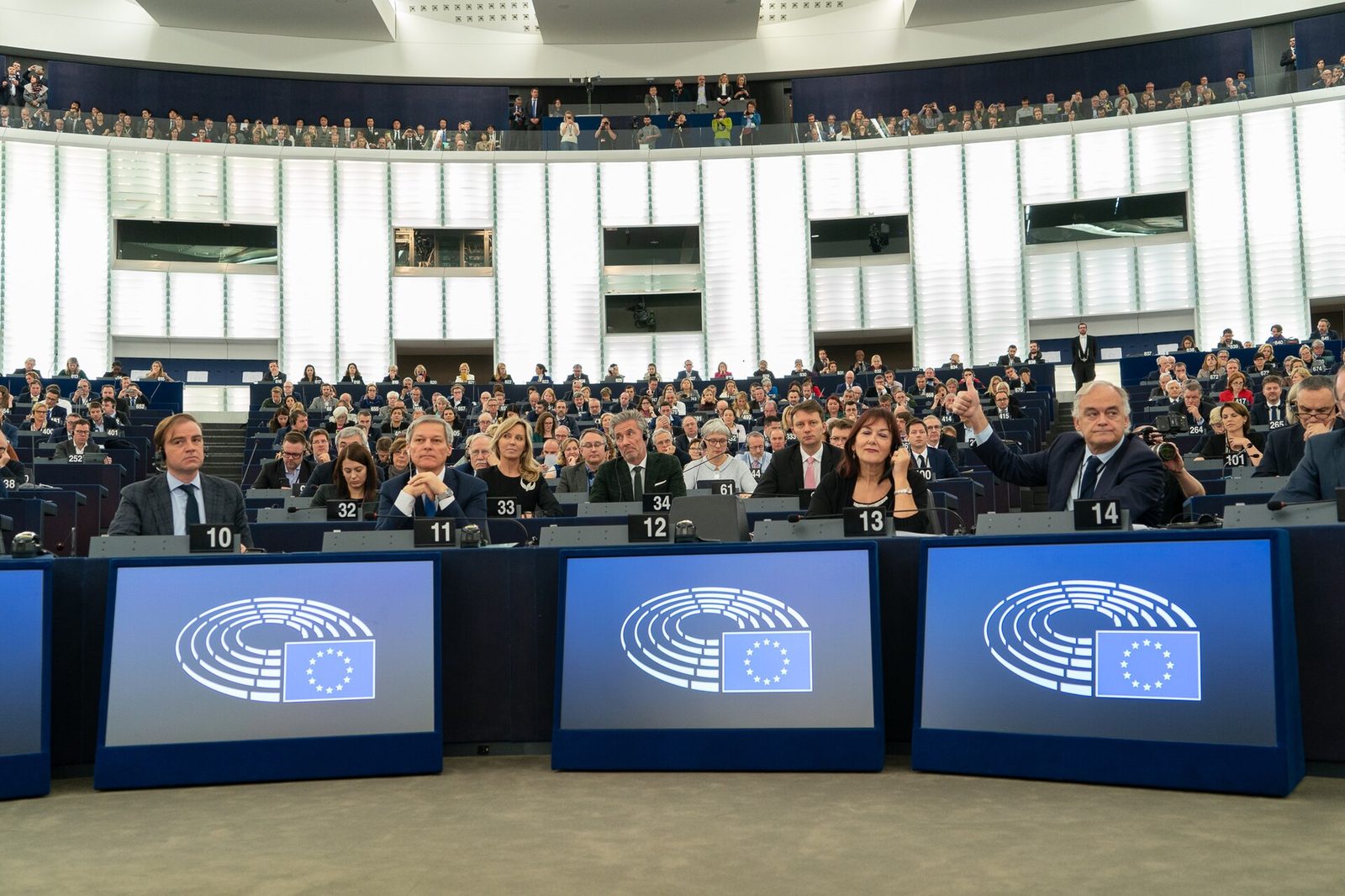
Prime Minister Andy Burnham said Monday that he would like to see the United Kingdom rejoin the European Union — within his lifetime. He is 56. He is not proposing to do it in this parliament. He has not spelled out what relationship he would seek. The Labour manifesto under his predecessor ruled out the single market, the customs union, and freedom of movement. Burnham's own position is that the public must be 'the bosses,' that Brexit 'weakened our economy,' and that he is 'way, way away' from any concrete step.
This is, technically, a political position. It is also the foreign policy equivalent of telling someone you love them but you're not ready to have the conversation. Britain left the EU in 2020. It may return sometime before Burnham dies. In the meantime, the ambiguity will be managed quarterly.