This story is currently available in англійська only — a translation isn't ready yet.
North Atlantic right whale population falls to 382, reversing recent gains
The 2% decline from last year's estimate of 384 reverses a slow climb, with only 73 reproductive females left in the species.
ℹ️ Озвучка браузером · студійний голос ШІ незабаром
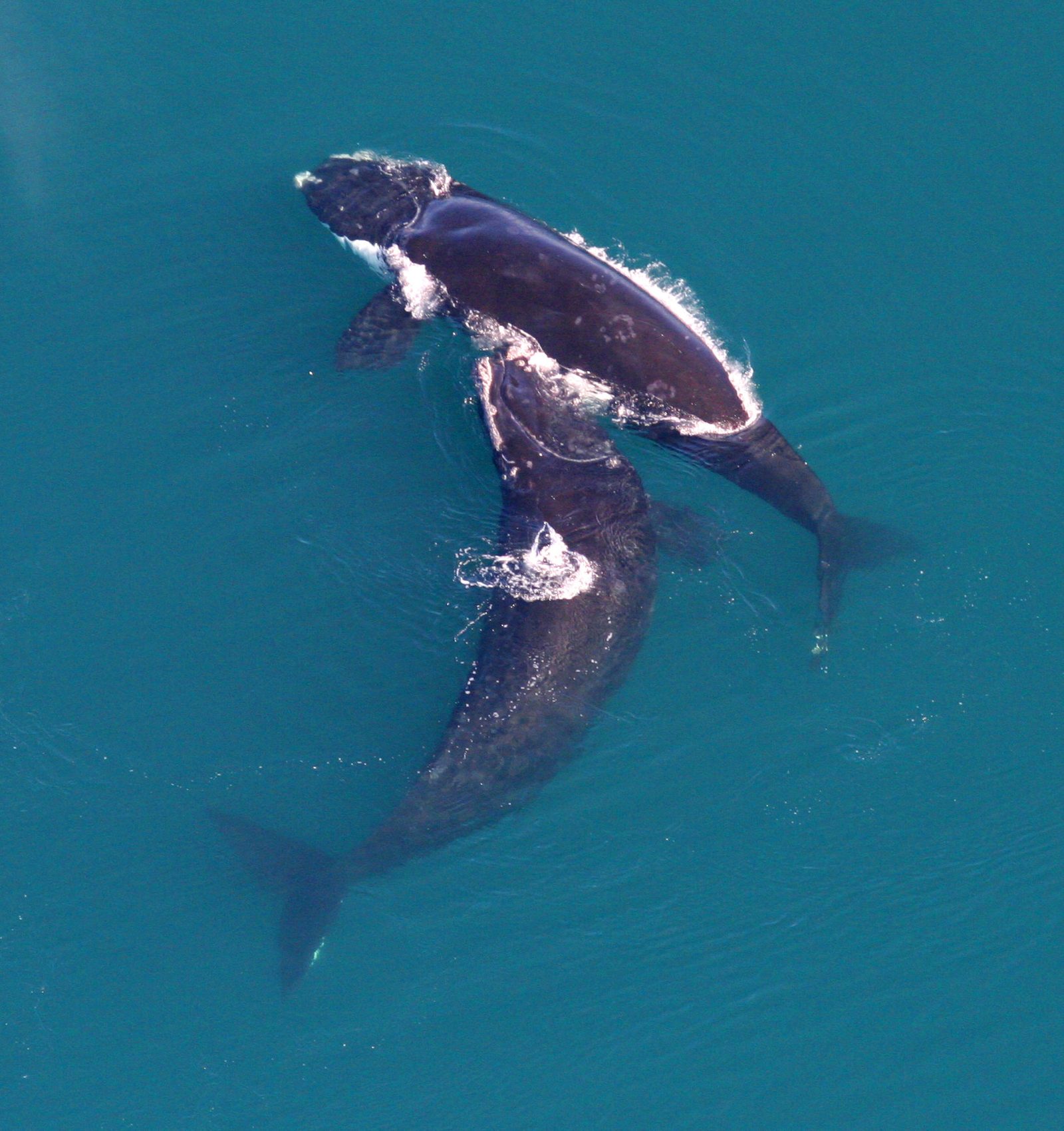
The North Atlantic right whale population has fallen to 382 animals, a consortium of scientists said Monday, releasing an annual estimate that reverses several years of slow growth.
The figure is about a 2% decline from last year's estimate of 384, which had itself risen 2.1% from the year before. The North Atlantic Right Whale Consortium, which compiles the estimate, says the species remains threatened by entanglement in fishing gear and collisions with ships.
Heather Pettis, chair of the consortium, said a warming ocean has pushed the whales' food — tiny organisms called copepods — into new waters, and the whales have followed them into areas of ocean not protected from ship strikes and entanglements. "We may see another situation where we have this tremendous decline again," she said, if the animals are not protected throughout their range.
The population fell about 25% between 2010 and 2020, when years of poor reproduction coincided with high mortality. The National Oceanic and Atmospheric Administration has said the last nine years have also been a time of unusually high numbers of injuries and deaths. Just 73 reproductive females remain, which makes replenishing the stock difficult.
Nora Ives, a marine scientist on Oceana's right whale campaign, said the loss underscores the need to spare the whales from entanglements and ship strikes. "This iconic whale will not escape extinction if its population cannot grow," she said. Oceana was one of several environmental groups that opposed a proposal in Congress to delay new right whale protections until 2035; the proposal, intended to protect commercial fishing interests from regulations members of the industry describe as burdensome, has passed the House of Representatives.
The whales, which can weigh 150,000 pounds, give birth off the Carolinas, Florida and Georgia in the winter and venture north to feeding grounds off New England and Canada. Large groups that sometimes include a fifth of the entire population are seen off Massachusetts in spring. Last year was one of the most successful calving seasons on record, with more than 20 babies born.
The animals were decimated by centuries of commercial whaling that mostly ended in the 1930s. They were hunted heavily because they tend to live fairly close to shore and floated when killed, and they yielded a high volume of oil.
Sources — how we know this
3 independent sources corroborated this
- PrimaryCBS News
- CorroboratingAnadolu Ajansı (TR)
- CorroboratingAsharq Al-Awsat (EN)