This story is currently available in англійська only — a translation isn't ready yet.
OYAK Çimento and TCC to produce 3D-printed housing from earthquake debris in Hatay
TCC's concrete-cabin EnergyArk battery system has received a thousand orders from Europe; OYAK Çimento invested 3.49 billion TL in environmental and low-carbon projects in 2025.
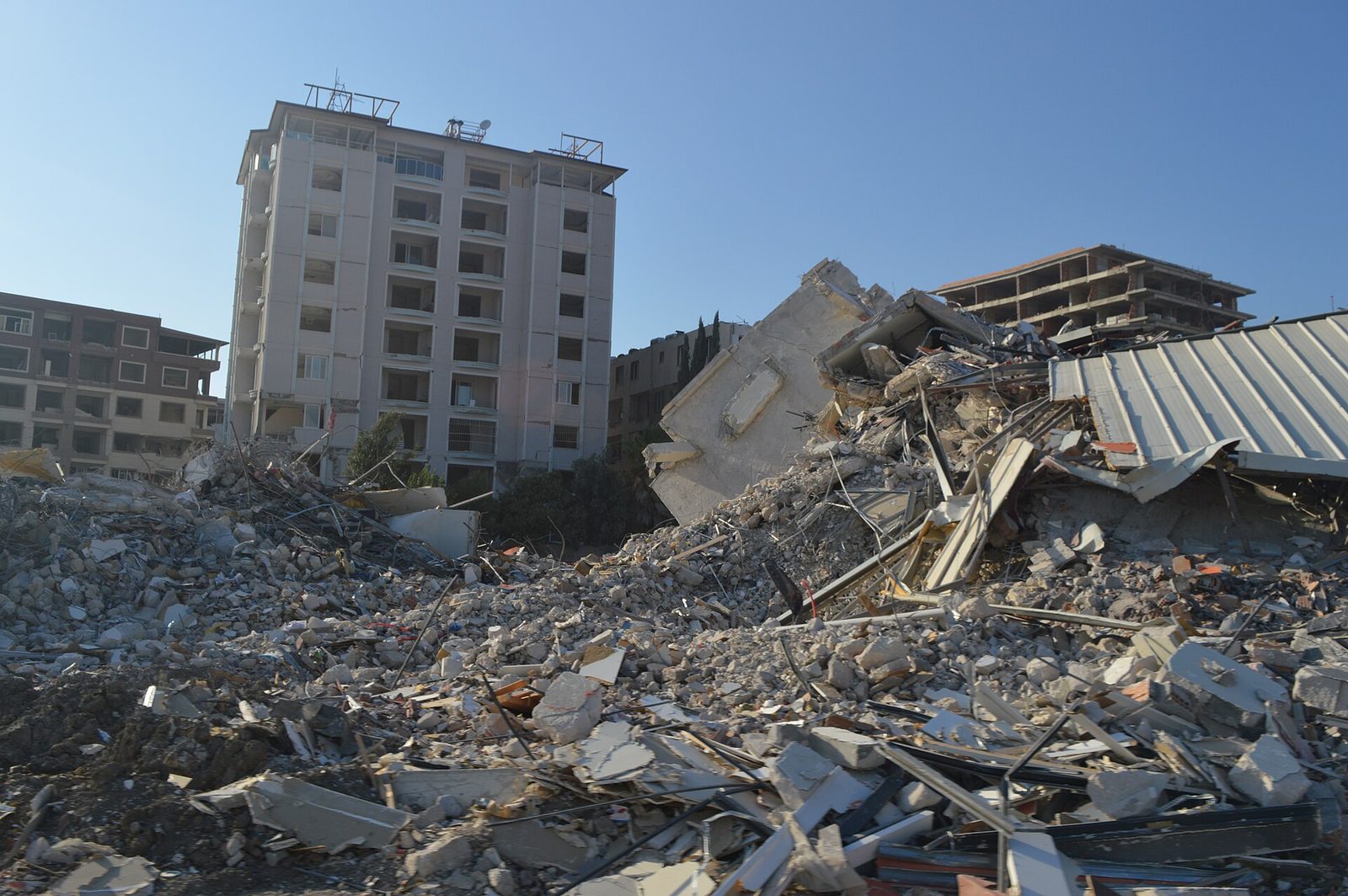
The partnership of OYAK Çimento and Taiwan's TCC is preparing to produce housing using the three-dimensional printing method, using materials recovered from earthquake debris, under the goodwill protocol signed with the Hatay Governorate. The project envisages meeting the electricity needs of the houses from solar panels to be installed on the roofs, with the generated electricity stored in batteries and used during hours when there is no sun. Water needs are targeted to be met through systems that obtain water from humidity in the air. By bringing the concrete recovered from earthquake debris back into production, the aim is to reduce the use of new raw materials.
The OYAK and Taiwan's TCC partnership operates under the OYAK Çimento brand in Turkey and under the CIMPOR brand in international markets. EnergyArk, developed by TCC, is an energy storage system in which batteries are housed inside a concrete cabin. Concrete cabins are used to prevent a fire that could break out if the batteries overheat from spreading outside; the cabins were tested with a 1,000-degree fire for three hours. A thousand orders have been received for the system, and the customers include shopping malls in Europe.
With the spread of electric vehicles, fast charging stations have been added to the electricity consumption of shopping malls. EnergyArk reduces the power drawn from the grid by using electricity stored during cheap hours for vehicle charging; the stored electricity can also be sold to the grid when the price rises. The company states that in France, during some hours when solar and wind generation increases, the electricity price falls below zero, and it plans to expand this model in Turkey and Europe.
One of the ways to reduce carbon emissions in cement production is to lower clinker use. CIMPOR's new line in Portugal, with an annual capacity of 500,000 tons, is planned to become operational in December. The carbon emissions of the cement produced at the company's facility in Cameroon are, according to the information provided, about 40 percent lower compared with conventional cement. The first large-scale trial of using electricity instead of fossil fuels in clinker production is planned for 2027.
OYAK Çimento's investment in environmental and low-carbon projects in 2025 reached 3.49 billion TL. Of this amount, 85.6 percent was allocated to renewable energy, while the share of low-clinker and sustainable products in the company's total revenue was 34.8 percent. OYAK Çimento and CIMPOR, in the Calcined Clay Transition Alliance declaration they published under COP31, called for greater space for low-carbon cement in public projects.
Sources — how we know this
- PrimaryEkonomim (Dünya)