LifestyleVerified
This story is currently available in арабська only — a translation isn't ready yet.
Red Sea Detours Are Redrawing Gulf Real Estate's Logistics Map
When oil reroutes through the Mediterranean to dodge Hormuz, the industrial land beneath every Gulf port city reprices with it.
Швидкість:
ℹ️ Озвучка браузером · студійний голос ШІ незабаром
HA
Hassan Al-Mansoori
· 3 min read
Count the tankers before you count the towers. That instruction has always been good discipline in Gulf property analysis, and right now the tanker count is telling a story that industrial real estate investors cannot afford to miss.
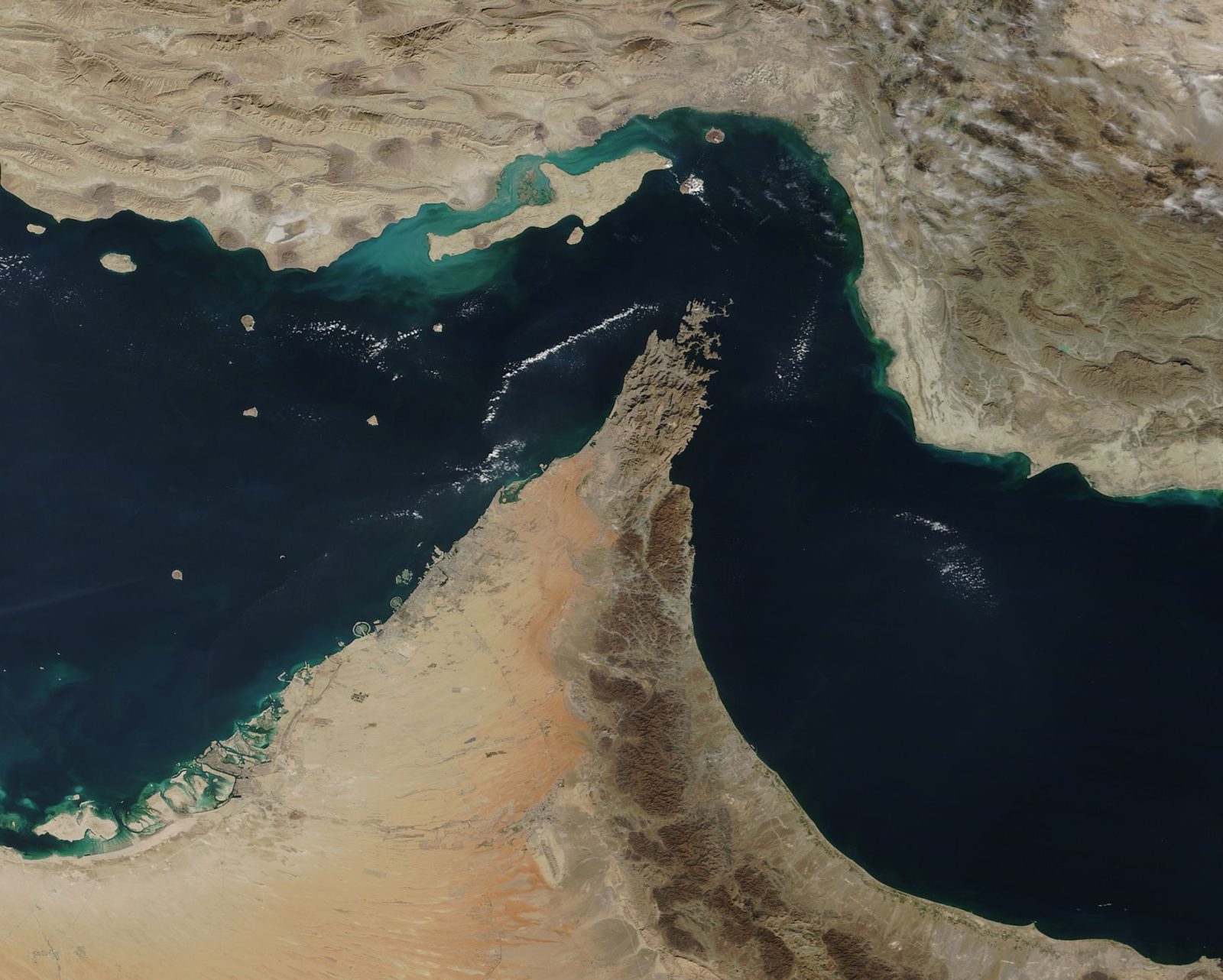
The Kingdom has begun ramping up oil exports through its Mediterranean pipeline to sidestep the threat of attacks in the Red Sea — a routing shift confirmed in recent days. Simultaneously, the UAE is shuttling Iraqi oil exports through the Strait of Hormuz. Two of the region's largest hydrocarbon economies are physically redrawing their export geography in real time. For anyone pricing logistics land, warehouse capacity, or port-adjacent industrial sites from Jeddah to Fujairah, this is not background noise. It is the signal.
Here is why it matters at the asset level. Industrial and logistics real estate in the Gulf is priced on throughput certainty. A distribution hub commanding a premium net yield assumes a stable, predictable freight corridor. When that corridor shifts — even temporarily, even as a hedge — the land beneath competing nodes reprices. The facilities that sit astride the new preferred routing gain occupancy pricing power. Those locked to a corridor under stress lose it, quietly, in the form of slower lease renewals and tenants negotiating shorter terms.
Fujairah is the clearest immediate case. The emirate's position east of the Hormuz chokepoint has long been its strategic argument: offshore bunkering, oil storage, a port that sits outside the Gulf proper. When Hormuz risk rises, Fujairah's industrial and storage land has historically absorbed the anxiety premium. Industry estimates have placed Fujairah storage utilization rates well above the UAE average during periods of Strait tension. We are, by any honest reading of the current environment, inside one of those periods again — though the cycle this time carries the added variable of active Red Sea disruption running in parallel.
That parallel disruption matters enormously for Jeddah's industrial corridor. The Kingdom's Islamic Port at Jeddah — the western gateway that handles a substantial portion of consumer imports — faces a more complicated throughput picture when Red Sea routing becomes unreliable. Importers reroute via Aqaba or air freight, dwell times extend, and the economic argument for warehousing close to the port weakens relative to interior distribution hubs. This is not a collapse thesis. It is a cycle thesis: Jeddah port-adjacent industrial land has likely been at or near a relative peak in the cycle, and risk-adjusted yields there deserve scrutiny that they may not have received during the period of assumed Red Sea normalcy.
The pipeline reroute through the Mediterranean introduces a further variable that Gulf-focused investors sometimes underweight: it compresses the Kingdom's logistical dependence on the Red Sea for exports even as imports through Jeddah remain exposed. The export side of the equation becomes more resilient; the import side does not. For industrial real estate that serves the domestic consumption economy rather than the export economy, the risk profile is asymmetric.