This story is currently available in англійська only — a translation isn't ready yet.
Riyadh Whispers Restraint on Iran While the Peg Prices No War at All
SAR holds 3.7500, AED 3.6725. The diplomatic channel is doing the hedging the forwards are not.
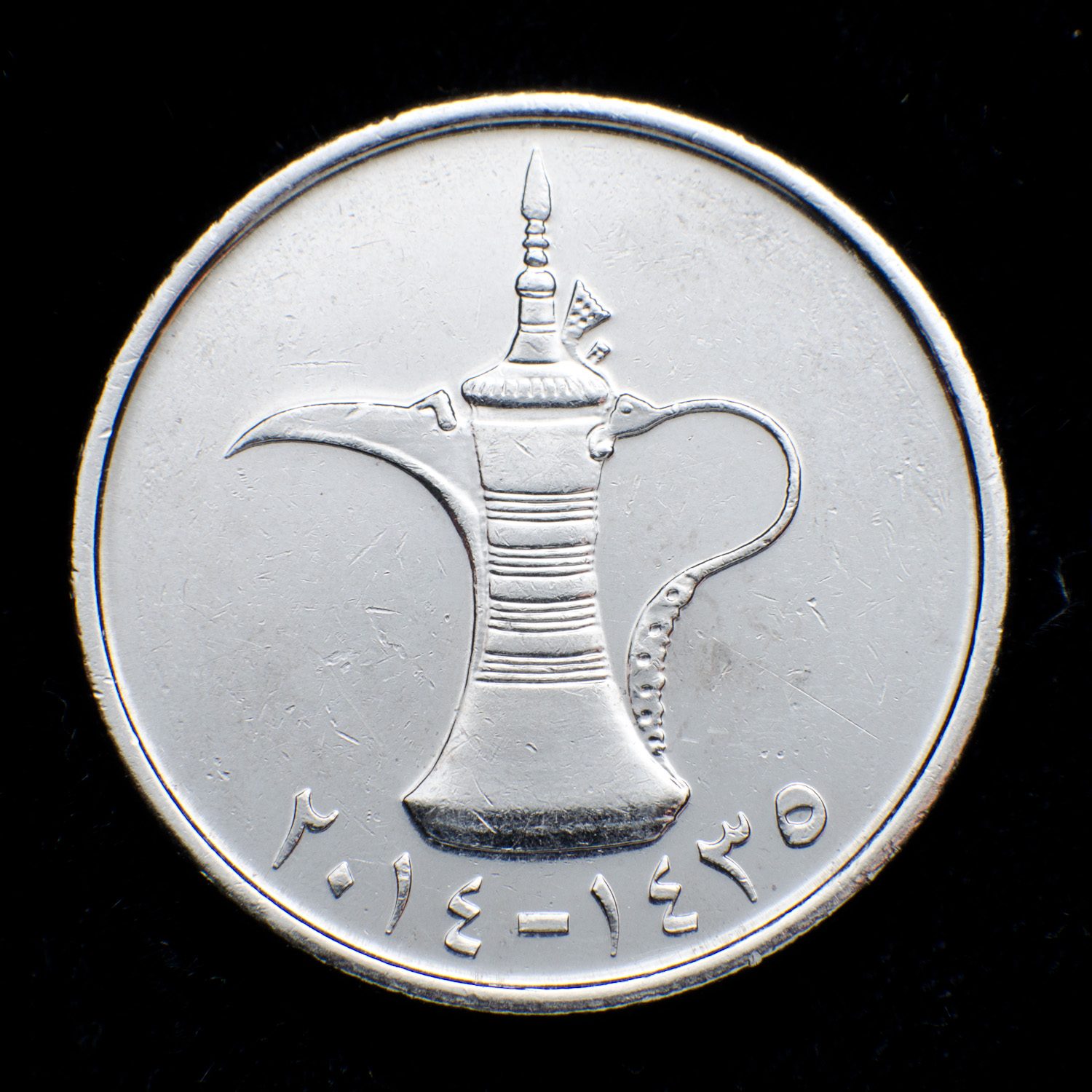
USD/SAR opens at 3.7500. USD/AED opens at 3.6725. Both fixings are exactly where they were yesterday, last week, and — allowing for the width of a decimal — for the better part of a decade. That is the entire spot story, and it is the least interesting thing on the screen this morning.
The interesting thing is what the Crown Prince is reportedly telling Washington: prioritise dialogue, step back from a wider Iran strike. Read the room. When the largest oil producer in the region is publicly urging restraint on its closest security partner, the tail risk being priced somewhere is not zero. The question is where.
It is not being priced in the spot pegs, because it structurally cannot be. SAMA and the CBUAE do not float on geopolitics; they float on reserves, and reserves are ample. The transmission does not run through the fixing. It runs through the forward points, through sovereign CDS, through the basis on dollar funding for Gulf banks, and — most visibly for the retail reader — through the crude curve.
And the crude curve has a counter-number problem. US weekly production printed 13,796 thousand barrels per day for the week to 24 July. That is a supply wall. Against a genuine Hormuz interdiction scenario it is a rounding error; against the current tape, where a Qatari LNG tanker has already taken a hit in the strait and the diplomatic language out of Riyadh has sharpened, it is the reason Brent is not trading with a war premium visible from orbit. American shale is quietly sedating the risk premium the headlines would otherwise deliver. One of the stranger arrangements in modern energy markets, and nobody involved seems eager to acknowledge it out loud.
What to watch today. First, the tone out of Washington in response to the Saudi message: if the reply is conciliatory, Gulf equity opens bid and the sovereign spread tightens a basis point or two; if it is dismissive, the forwards on SAR and AED widen at the one-year point even as spot does not budge, and that is where you read the fear. Second, any follow-through on the LNG tanker incident — insurance war-risk premia in the strait are the cleanest real-time gauge of how shipping actually sees the situation, as distinct from how ministries describe it. Third, the DXY, because whatever the Fed's next move looks like, it arrives in Riyadh and Abu Dhabi at par, unfiltered, through the peg.
The frame for the week. The pegs are doing exactly what they are designed to do: absorb the noise so that the domestic economy does not have to. That is a feature. But it also means the price signal Gulf readers are used to watching — the fixing — will tell them nothing about the risk their sovereigns are quietly hedging in the diplomatic channel. Watch the forwards and the CDS. The fixing is a fixed point by construction; the anxiety has to go somewhere else.