This story is currently available in англійська only — a translation isn't ready yet.
Russia-linked cyberattack targeted Quantum Systems drones used by Ukrainian and German forces
Malware planted on servers of the Bavarian drone maker in late October was designed to disable its surveillance drones via an update; Germany's Bundeswehr grounded its fleet briefly.
ℹ️ Озвучка браузером · студійний голос ШІ незабаром
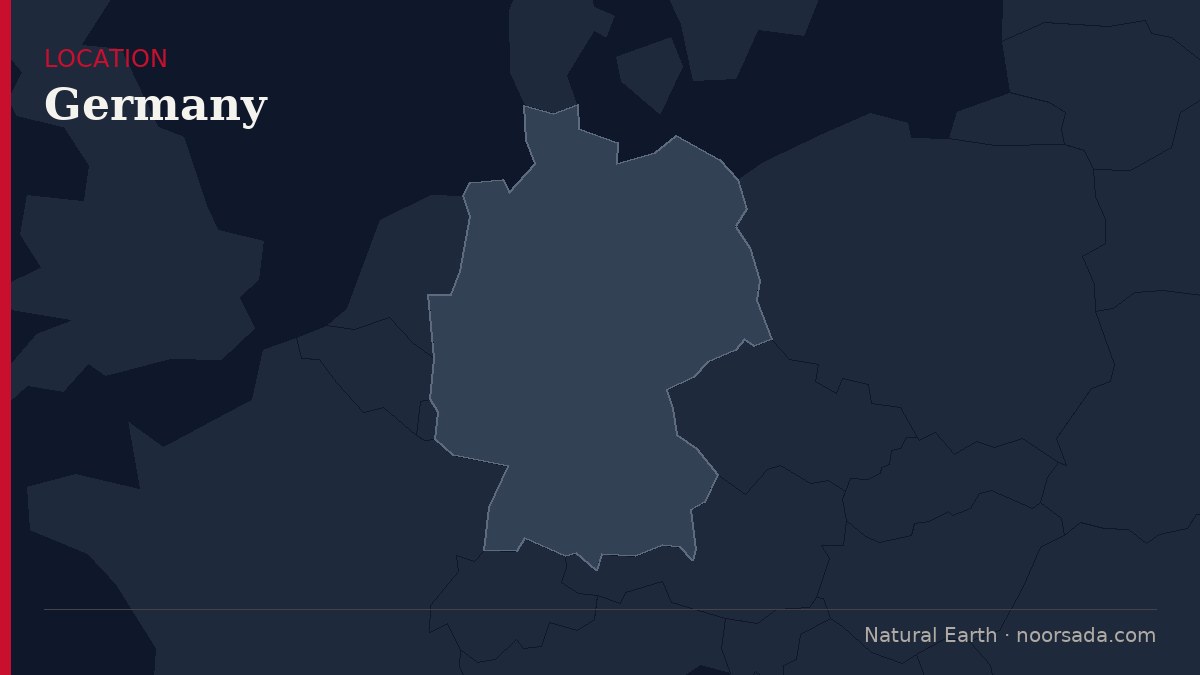
A cyberattack on Bavarian drone manufacturer Quantum Systems, suspected to have a Russian origin, attempted to disable surveillance drones deployed by the Ukrainian military and the German Bundeswehr, security authorities have established.
Unknown actors planted malware on Quantum Systems' servers in late October. The malicious code was designed to infect drones through a software update and render them inoperable, at least temporarily. The attack was apparently detected and prevented before the update could be distributed.
Quantum Systems, headquartered in Gilching in Upper Bavaria, confirmed that its global fleet remains in full operation, with no impact on production, development, or operational capability. The Bundeswehr was the only customer that pulled its Quantum drones from service for several days as a precaution; Germany's Defence Ministry declined to comment.
The Gilching-based company has supplied tens of thousands of its surveillance drones to Ukraine since the early weeks of the Russian invasion, making it one of the first Western suppliers to the Ukrainian military. Chief executive Florian Seibel also established a German-Ukrainian joint venture, Quantum Frontline Industries, producing Ukrainian-designed drones in Germany.
Investigators from Germany's domestic intelligence agency Verfassungsschutz, the military intelligence service MAD, and the Federal Office for Information Security (BSI) are working alongside the company to identify the perpetrators. Security circles assess that the evidence points strongly to a Russian origin, while acknowledging that proving such attribution to a court standard is typically difficult.
Bavaria's state economics ministry described the attack as one example in a broader pattern of hybrid operations against German infrastructure. State Secretary Tobias Gotthardt (Freie Wähler), who has been serving as interim minister of the department following the sudden death of Hubert Aiwanger, said the incident again illustrated the scale of the threat and that society must be prepared.
Sources — how we know this
3 independent sources corroborated this
- PrimaryTagesschau
- CorroboratingAnadolu Ajansı (TR)
- CorroboratingTRT Haber