This story is currently available in англійська only — a translation isn't ready yet.
HASDÖV in Samsun: 338.6 million lira investment to break import dependence in surgical instruments
The precision forging center, planned to produce 800,280 parts a year, will become operational in 2027 in the Tekkeköy OIZ; the sector imports 60 percent of its raw material.
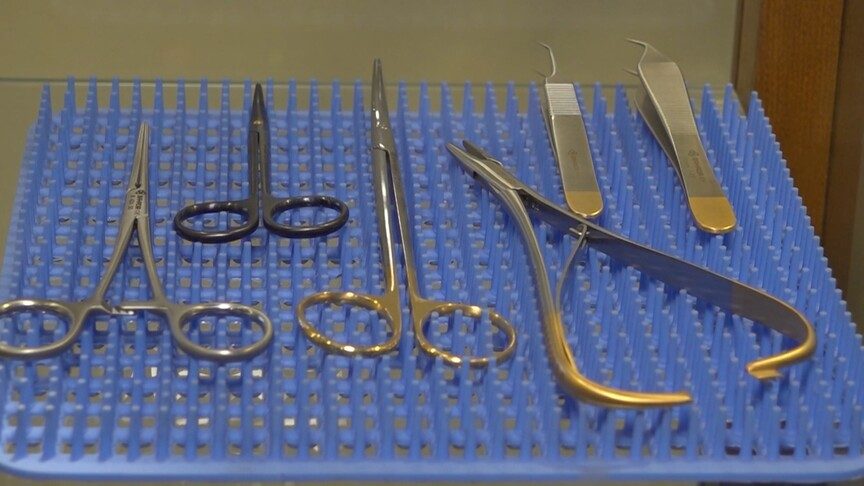
The Precision Forging Center (HASDÖV), to be established in the New Organized Industrial Zone in Samsun's Tekkeköy district, targets the most critical gap in the surgical instruments sector: more than 60 percent of its semi-finished product needs, predominantly stainless steel, currently rests on imports. Anadolu Agency reported.
The project, implemented under the coordination of the Ministry of Industry and Technology, with the support of the Central Black Sea Development Agency (OKA) and with the Samsun New Organized Industrial Zone Directorate as executor, is being carried out with the participation of the Medical Industry Innovation Cluster Association (MEDİKÜM) and sector companies. At the facility, planned on an area of approximately 40 decares with a current investment cost projected at 338.6 million lira, 800,280 parts a year are planned to be produced on four hot forging lines. It is targeted to become operational in 2027.
MEDİKÜM Chairman Ahmet Alp Doğru made this assessment regarding raw material supply: Doğru said, "as we exported from here to the world, the Germans also began to reduce their sales," and stated that the state had decided to establish the facility in Samsun.
Doğru also set out Samsun's international footprint in figures: noting that previously "we were selling products to 120 countries, right now we are selling goods to 170 countries," he said that doctors in Australia and America had come to perform their surgeries under the Samsun brand. The city, with a production history of about 50 years, exports 15,000 varieties of surgical instruments.
Among the plans are for the facility to serve the defense and automotive industries as well as surgical instruments, to bring stainless steel waste back into the economy and to reduce production costs. Doğru stressed that with the shift to robotic production the margin of error has fallen, R&D units have been established, and the sector has moved on to more advanced products such as orthopedic implants and chemotherapy sets.
Sources — how we know this
- PrimaryAnadolu Ajansı (TR)