This story is currently available in англійська only — a translation isn't ready yet.
Splashing pedestrians by car can bring £5,000 fine and nine points
Legal experts set out the penalties for soaking a pedestrian, from a £100 fixed penalty and three points to a £5,000 fine and nine points in court.
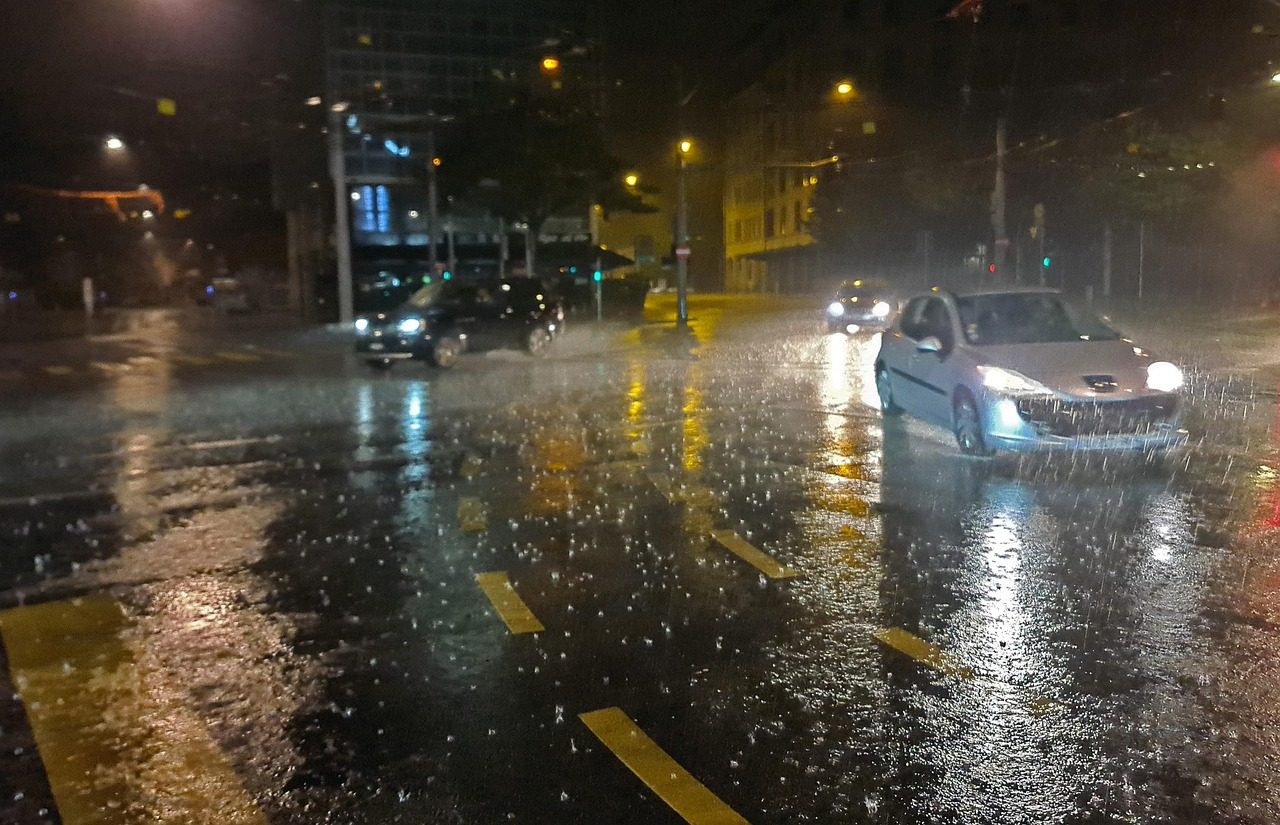
Drivers who drench pedestrians by ploughing through puddles can be penalised under Section 3 of the Road Traffic Act 1988, which covers driving without reasonable consideration for other road users. The Crown Prosecution Service lists "driving through a puddle causing pedestrians to be splashed" among the conduct that section covers.
John Kushnick, Legal Director at National Accident Helpline, said: "Getting splashed by a passing car isn't a crime" — but he said driving without reasonable consideration for others can be an offence under the 1988 Act.
Drivers caught for the inconsiderate offence typically receive a £100 fixed penalty notice and three points on their licence. Where the driving amounts to "a clear act of incompetence, selfishness, impatience, and aggressiveness", the maximum penalty is a £5,000 fine. If the matter goes to court, or the motorist is judged to have deliberately targeted someone, magistrates can impose a £5,000 fine alongside up to 9 penalty points.
Bryn Brooker, Head of Road Safety at Nextbase, said enforcement usually turns on whether a prudent driver could reasonably have avoided the hazard. He urged drivers to reduce their speed and keep extra distance, warning that potholes hidden under water can cause loss of control or serious vehicle damage. The Highway Code requires road users to adjust their speed in wet conditions and to watch for pedestrians near bus stops and crossings.
A pedestrian soaked by a negligent driver should record the vehicle's registration plate, the time and the location, and report the motorist to police on 101, Kushnick said. Footage from dashcams, doorbells or CCTV matters because police rely on evidence of the vehicle's speed and how close it was to the pavement. Where a pedestrian can show genuine financial loss — a damaged winter coat or a water-damaged mobile phone — they may recover the cost from the motorist's insurance company. Witnesses can upload footage to their local police force through the National Dash Cam Safety Portal.
Sources — how we know this
- PrimaryWalesOnline