This story is currently available in англійська only — a translation isn't ready yet.
The 97% Number: Kazakh Coal Transit and the Approaching 22nd EU Sanctions Package
Russian Railways has throttled a priority-category corridor to a trickle. Brussels is about to add a new layer. Compliance liability moves to the shipper.
ℹ️ Озвучка браузером · студійний голос ШІ незабаром

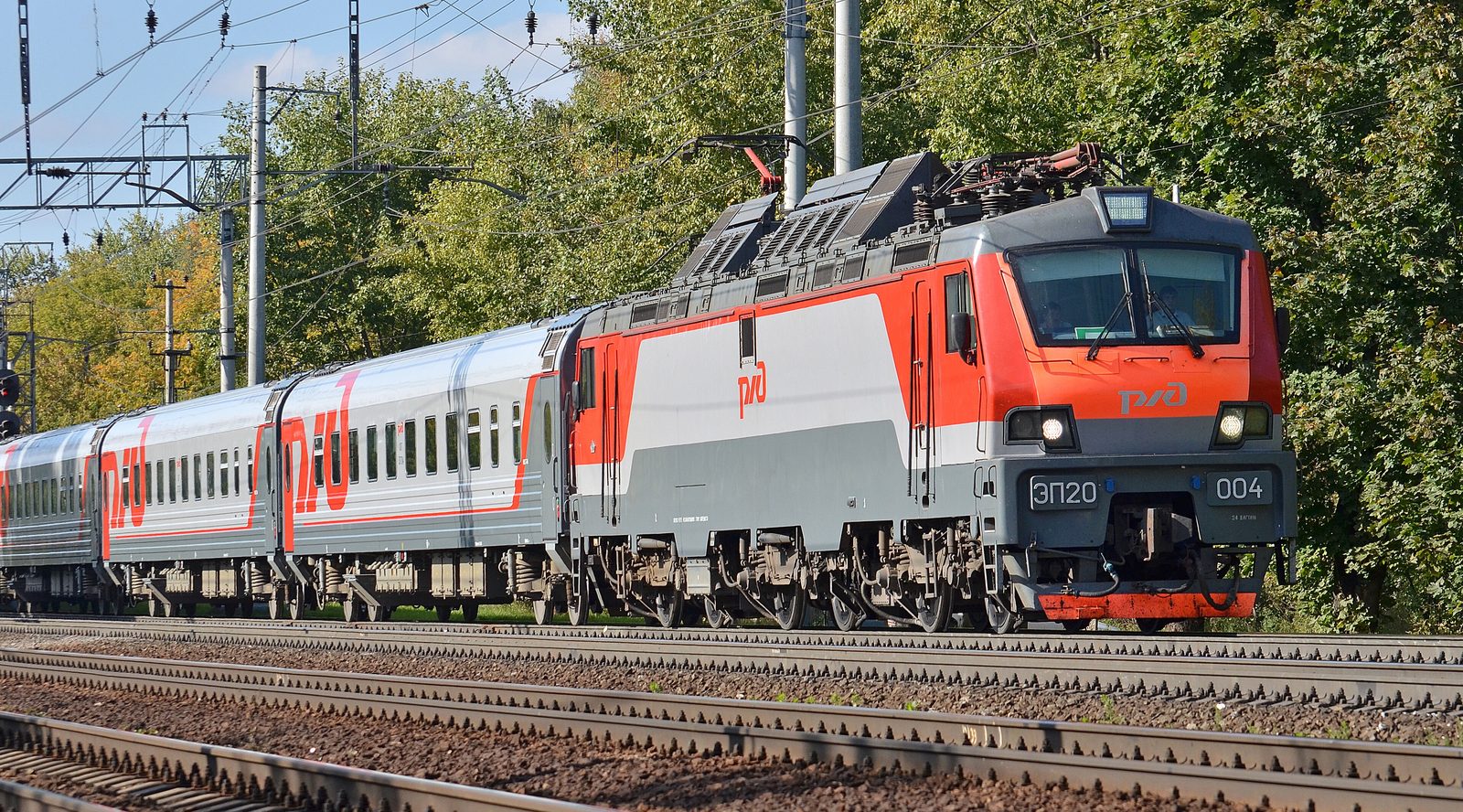
The headline figure sits in a regional outlet reporting out of Central Asia: transit shipments of Kazakh coal across Russia toward European markets fell 97% in two months, from 1 million metric tons in August 2026 to 30,000 metric tons in October. Against that backdrop, Commission President Ursula von der Leyen and Council President António Costa confirmed in Dublin on 12 November, following the European Political Community summit, that the Commission will present the 22nd sanctions package against Russia ahead of the 26–27 November EU leaders' summit. The two developments are now operationally linked, whether or not the text of the package names Kazakhstan.
Three data points frame what the compliance function needs to carry into the 26–27 November summit.
First, the volume collapse. The Times of Central Asia reports Russian Railways approved no requests to ship Kazakh coal to Baltic ports for October or November, despite a November 2025 intergovernmental agreement that assigned qualifying shipments fourth-priority category status under Russia's railway access rules. A priority category that does not produce slots is, for a treasurer, an unfunded receivable.
Second, the exposure. Kazakh economist Yernar Serik, cited by the same outlet, estimates up to 3.5 million metric tons of coal exports worth $400 million to $470 million could be at risk by year-end. The remaining October tonnage moved by rail toward Belarus and Poland, bypassing Russia's Baltic ports — a reroute that itself crosses a sanctioned transit state.
Third, the pincer from the south. On 7 November, US Central Command announced the «Iron Gate» task force to monitor and block land and sea transit routes north of Iran and across the Caspian, a step Moscow's foreign ministry called a «clear threat» to littoral-state interests. The southern substitute corridor for CIS commodity flows is therefore being closed in parallel with the northern one, by a different authority, under a different legal theory.
The newly obligated class. Any EU-based importer, trader or freight forwarder handling CIS-origin bulk commodities routed through Russian Federation infrastructure — or through Belarus — will need to demonstrate, on the Commission's expected timeline, that the cargo is what the paperwork says it is. This is not yet a prohibition on Kazakh coal. It is a shift in the burden of proof: the shipper has to show the origin, not the customs officer.
Where the regimes diverge. EU sanctions target Russian-origin goods and circumvention via third countries. US measures under the Iron Gate framing target dual-use and weapons transfers via Iran-adjacent corridors. UAE and Saudi corporate law imposes neither — but UAE-domiciled trading desks clearing in dollars inherit the US perimeter, and those clearing in euro inherit the EU one. The practical resolution is to assume the stricter of the two applies to every leg of the voyage.
What to do before the 26–27 November summit:
1. Pull every bill of lading from August through October 2026 for CIS-origin bulk commodities and confirm the physical routing, not the contractual one. 2. Where cargo moved via Belarus or Poland after the Baltic port closures, prepare an origin-verification file now rather than on request. 3. Open a line to counterparties in Astana and Almaty on force-majeure language: a priority slot that is never allocated is a performance risk the contract probably does not address. 4. Diarise the Commission's 22nd-package text for same-day review by the sanctions desk; the operative definitions, not the political framing, determine the obligation.