This story is currently available in англійська only — a translation isn't ready yet.
Trump and Xi meet in Shenzhen with AI safety talks stalled
Third summit of the year comes after Nvidia chief Jensen Huang's resignation over a spying scandal and a new U.S. rule on China's access to chips.
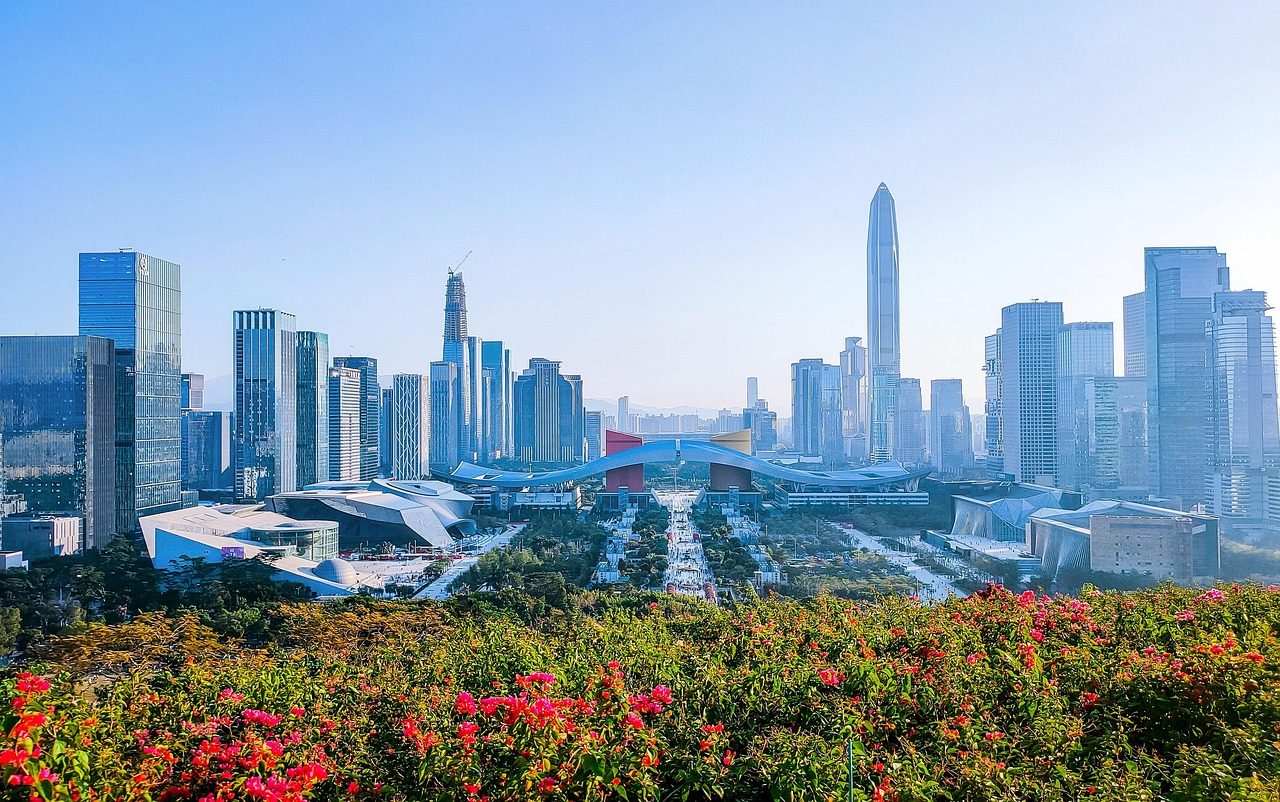
President Trump and Xi Jinping meet in Shenzhen on Thursday for their third leadership summit of the year, with negotiations on artificial intelligence safety and development guidelines having made little if any progress, current and former U.S. officials say.
The two leaders had sounded committed to common ground on AI. Xi said in September in the White House foyer: "We have both the capability and responsibility to develop and manage A.I. for good." Trump has called fears of A.I. threats a "hoax" and said at the United Nations he would label artificial intelligence "super intelligence" to give it a better brand.
The summit is shadowed by Jensen Huang's forced resignation last week as chief executive of Nvidia, the U.S. technology company that supplies the computer chips fuelling the A.I. boom. He stepped down after reports that U.S. intelligence showed a Chinese businesswoman in Singapore, with whom he had a close relationship, might have been secretly working or in contact with China's main spy agency. Huang has publicly admitted that he had an affair.
On chips, Trump has ordered the U.S. government to loosen export restrictions to China on advanced chips, but on Monday his administration announced a new rule that would limit China's ability to access certain chips through the use of data centers in other countries.
The safety dialogue is being run by the Treasury Department. Secretary Scott Bessent said the governments expect to exchange best practices for evaluating and testing advanced models before their release and are "establishing a direct channel to ensure that either nation can promptly alert the other" to serious incidents. Secretary of State Marco Rubio said the governments have held conversations on A.I. safety "sort of at the technical level."
The two sides differ on the greatest risks. U.S. officials, executives and researchers discuss the possibility of A.I. becoming autonomous and working on its own outside human control. China's government appears more worried about how A.I. could be used by humans to undermine the Chinese Communist Party, while its Ministry of State Security aims to use A.I. for intelligence gathering.
R. Nicholas Burns, ambassador to China in the Biden administration, said: "The primary point of competition between us is certainly on A.I." Retired Gen. Paul M. Nakasone, the former head of the National Security Agency and U.S. Cyber Command, said Beijing views U.S. outreach as "a ploy to not allow their industry to develop as rapidly as possible."
Under Biden, the first A.I. meeting was held in Geneva in May 2024, but China sent foreign ministry officials rather than the agencies Washington had hoped for. In Lima that November, the two leaders announced one agreement on A.I. — that humans and not A.I. must have control over the two countries' nuclear arsenals.
Sources — how we know this
3 independent sources corroborated this
- PrimaryThe New York Times — U.S.
- CorroboratingCBS News
- CorroboratingBBC World News