This story is currently available in англійська only — a translation isn't ready yet.
U.S. loses measles elimination status as PAHO withdraws designation
The Pan American Health Organization withdrew elimination status from the U.S., Mexico and Bolivia after sustained transmission, with more than 5,400 U.S. cases this year.
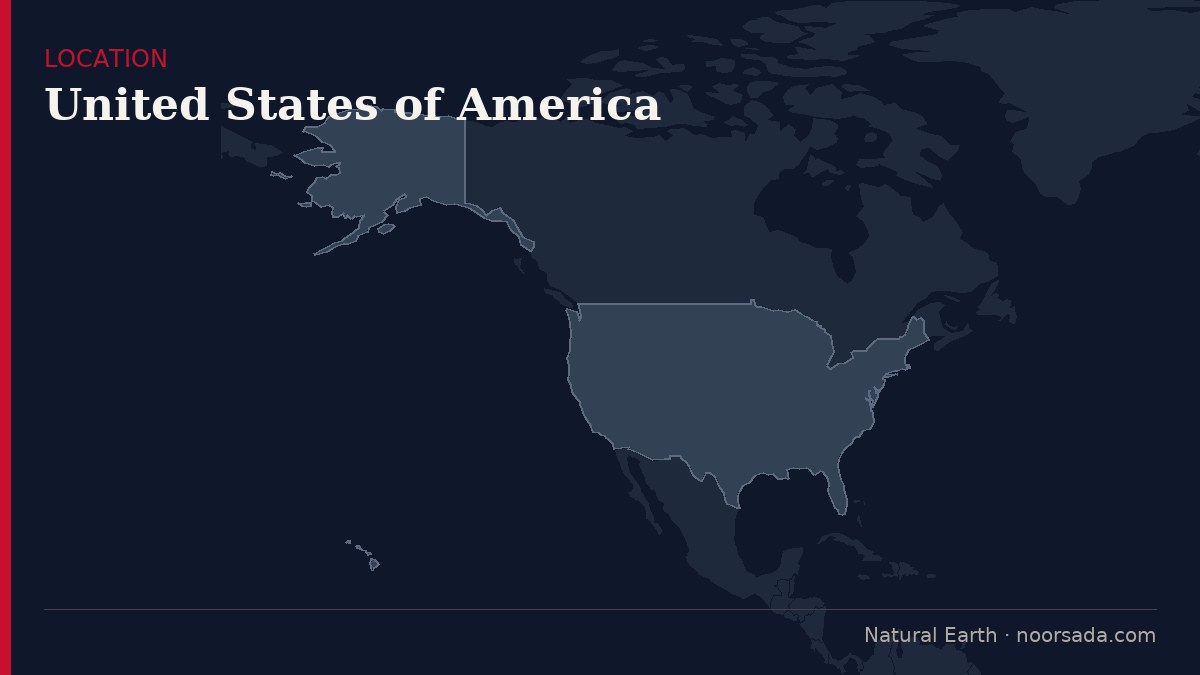
The United States lost its measles elimination status on Tuesday, along with Mexico and Bolivia, after the Pan American Health Organization concluded the virus is again spreading continuously in all three countries.
PAHO Director Jarbas Barbosa said the organization's Measles and Rubella Elimination Regional Monitoring and Re-Verification Commission recommended withdrawal of the status and that he had accepted it. Barbosa told a news conference that elimination "is not a trophy that is won once and placed on a shelf," adding that it must be safeguarded every day by closing immunity gaps.
PAHO expects the three countries to submit plans "in the coming weeks" for stopping transmission for at least a year and regaining elimination status, said Dr. Daniel Salas, the organization's executive manager for immunizations.
International health officials consider measles eliminated when the virus is not locally spreading among residents; the designation hinges on whether a single measles chain has spread uninterrupted for at least 12 months. Measles has been spreading through the Americas since 2024, starting in close-knit Mennonite communities and moving into areas with low vaccination rates. Canada lost its measles-free designation last year for the first time since 1998.
In the U.S., this year is the worst in a generation, with more than 5,400 confirmed cases and ten measles-associated deaths reported, at least five of them children — a higher annual count than any in more than three decades. The U.S. is having its worst measles year since 1991. More than 10% of those infected had to be hospitalized. All but three states have reported a confirmed case this year.
Texas recorded more than 760 cases and two children died; New Mexico about 100 cases and one adult died. A major outbreak in South Carolina in the winter and spring sickened nearly 1,000 people.
Experts say a community vaccination rate of 95% is needed to prevent outbreaks. U.S. Health Secretary Robert F. Kennedy Jr. was a leading voice in the anti-vaccine movement before President Donald Trump appointed him to oversee federal health agencies. Kennedy and other federal leaders have argued that vaccination rates were waning for years before Trump took office a second time and that measles is not an "American phenomenon." In January, a U.S. Centers for Disease Control and Prevention leader told reporters that the loss of the nation's elimination status would be the "cost of doing business" globally.
"It can be the canary in the coal mine to other things," said Dr. Susan Kansagra, chief medical officer of the Association of State and Territorial Health Officials.
Sources — how we know this
2 independent sources corroborated this
- PrimaryPBS NewsHour
- CorroboratingCBS News