This story is currently available in англійська only — a translation isn't ready yet.
UK pay growth slows to 3.5% as vacancies fall to 690,000
Earnings excluding bonuses undershoot forecasts, and markets now price a roughly 90% chance of a Bank of England rate rise in December.
Pay growth in Britain slowed to 3.5% in the three months to September, undershooting forecasts, while job vacancies recorded their sharpest quarterly decline since the three months to July 2024.
Average weekly earnings excluding bonuses were 3.5% higher than a year earlier, slightly below economists' median forecast of 3.6% in a Reuters poll and down from growth of 3.7% in the three months to August.
The Bank of England is watching wage growth closely for signs that the surge in oil prices triggered by the US-Iran war earlier this year is pushing up businesses' costs more broadly. Last week, BoE Monetary Policy Committee member Megan Greene said surveys were pointing towards pay growth of at least 3.5% next year, higher than most BoE policymakers view as consistent with getting inflation back to its 2% target.
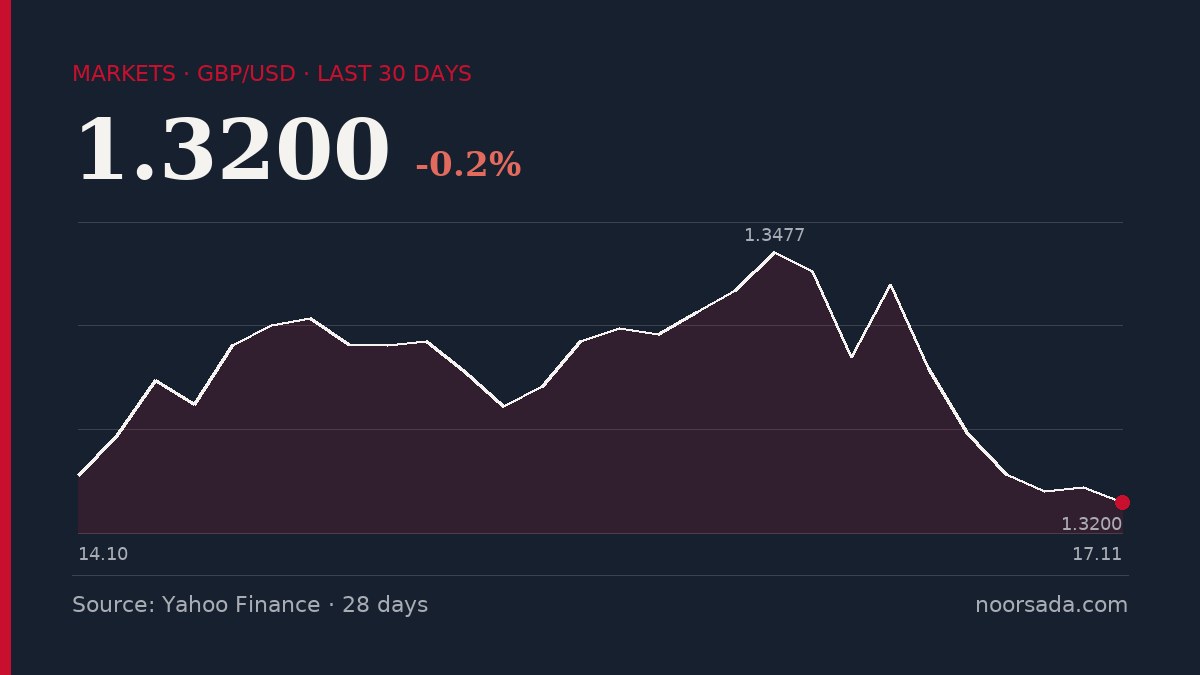
Financial markets see a roughly 90% chance that the BoE will raise rates in December and price in two or three more rate increases in 2027, after raising rates for the first time in more than three years in November.
The unemployment rate dipped to 4.6% in contrast to expectations for it to hold at 4.7%, while more timely tax office data showed the number of people on company payrolls dropped by a provisional 34,000 in October after rising 20,000 in September.
Private-sector pay growth excluding bonuses, which the BoE sometimes views as a clearer guide to underlying trends, remained unchanged at 3.1% in the three months to September. The headline wage growth number is boosted in part by differences in the timing of public sector pay deals.
Job vacancies fell to 690,000 over the three months to October, the sharpest quarterly decline since the three months to July 2024.
Sources — how we know this
- PrimaryAsharq Al-Awsat (EN)