This story is currently available in англійська only — a translation isn't ready yet.
US and Iran widen strikes as six tankers burn in Strait of Hormuz
Third US carrier group arrives as the IRGC reports two more tanker explosions and Washington strikes missile launchers at Bandar Lengeh and Sirik
ℹ️ Озвучка браузером · студійний голос ШІ незабаром
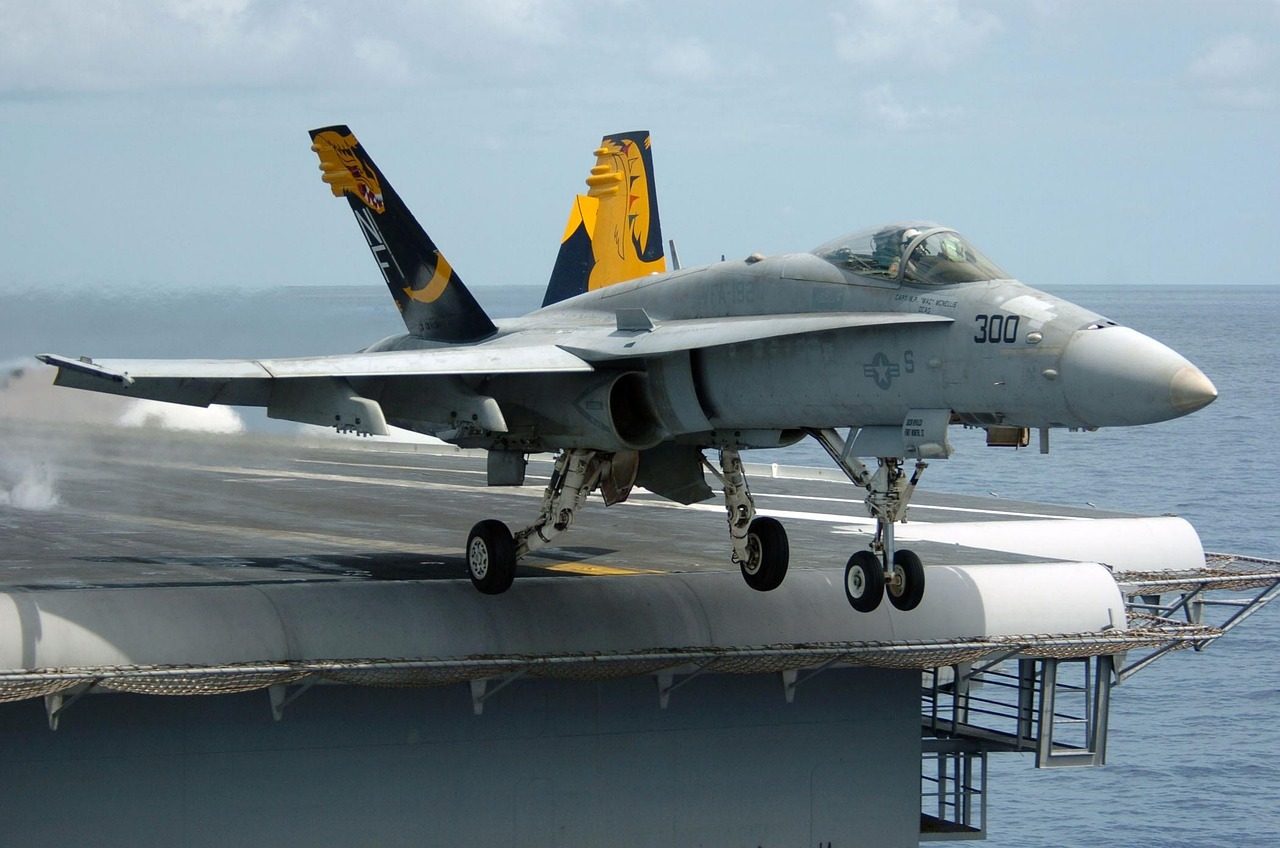
The United States and Iran exchanged widening airstrikes for a second day on Monday, with Iran's Islamic Revolutionary Guard Corps reporting that two more oil tankers exploded in the Strait of Hormuz — bringing to six the number of tankers that have caught fire in the waterway since Sunday.
The US military struck Iranian missile launchers across southern Iran on Sunday night, after Iranian forces attacked a US base in Bahrain and fired missiles at tankers in the Strait. Iran carried out a drone attack on a radar at Al Riffa Air Base in Bahrain on Sunday. US aircraft hit launchers at Bandar Lengeh and Sirik, targeting a wider area than previous strike cycles and at a higher rate of fire by both sides. Flight tracking portals registered a much larger US Air Force presence over the Persian Gulf.
The USS Theodore Roosevelt arrived in the region to join the USS George Washington and USS George H.W. Bush carrier strike groups, the first time since the Iraq war that the US has three carriers in the Middle East. About 19 US warships are now deployed in the region, including the Red Sea.
The IRGC said the two tankers were crossing the southern route of the Strait under direct US military guidance when they encountered naval mines, and described the explosions as a response to what it called an "illegal US blockade". It warned oil companies that the southern route was mined. On Monday Iran's Navy said a "violator" tanker caught fire after colliding with a sea mine east of the Strait and was unable to move.
The UK's Maritime Trade Operations authority said it had received reports of at least one incident early on Monday, when an oil tanker was hit by "an unidentified projectile" while passing out of the Strait. The collision caused a fire in the engine room; no casualties were reported and all crew members were safe. Oil prices rose on Monday.
US intelligence analysts assess, at low confidence, that Iran holds between 1,500 and 2,500 missiles plus new drones and short-range missiles, while Israeli military officials put Iran's new capabilities at 1,500 ballistic missiles. On 10 November the IRGC released a picture it said showed the head of Iran's armed forces and the IRGC Aerospace Force commander touring tunnels it called a new underground "missile city".
Iranian military officials told Tabnak News that the country would "no longer be limited to calculated retaliation" and threatened US bases in Europe. US Secretary of State Marco Rubio said every major problem in the Middle East had "one common denominator: the Shia clerics of Iran and their expansionist mentality", calling it "an extraordinary historic danger".
Danny Citrinowicz, former head of Israel's military intelligence research department, wrote on X that the situation in the Strait "cannot be sustained indefinitely" and that "the current dynamics are pushing both toward escalation".
Sources — how we know this
4 independent sources corroborated this
- PrimaryEuronews (EN)
- CorroboratingTASS English
- CorroboratingTrend News Agency
- CorroboratingOilPrice Energy
Energy Portfolio
Check your broker for the latest on energy stocks.
View Now →