This story is currently available in англійська only — a translation isn't ready yet.
Uzbekistan's Central Bank chief: reduce dollarization and speed up privatization of state banks
Timur Ishmetov called raising confidence in the som the regulator's main task; state-owned banks account for 60.8% of the sector's assets.
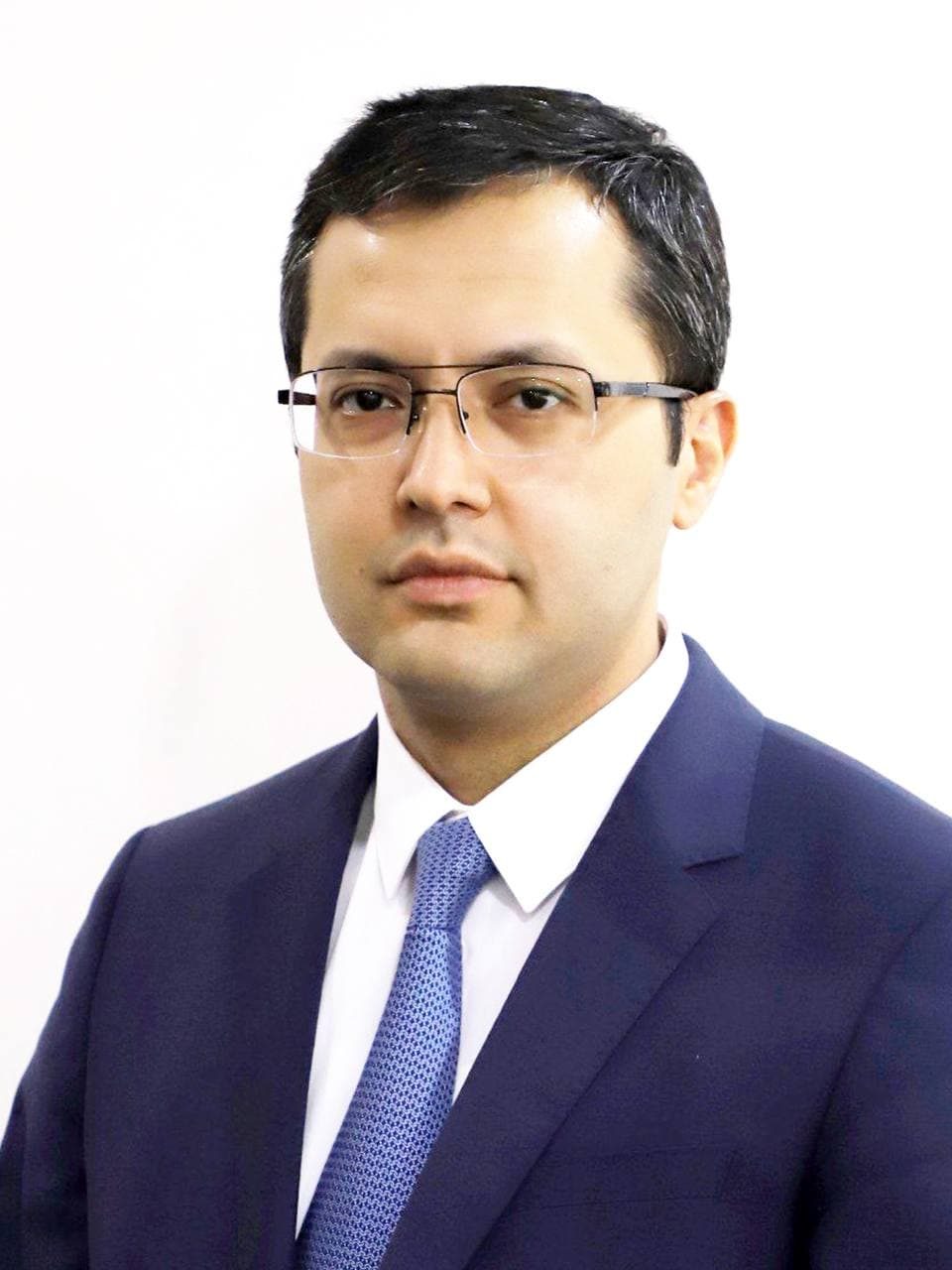
The head of the Central Bank of Uzbekistan, Timur Ishmetov, named reducing the dollarization of the economy and raising confidence in the som as the regulator's main tasks for 2027. He said this in an interview with the television channel "Uzbekistan 24" — following a meeting with President Shavkat Mirziyoyev on November 13, where the draft state budget for 2027, the main macroeconomic forecasts and the directions of economic policy were discussed.
"The main issue is reducing the level of dollarization, raising confidence in the som," Ishmetov said. According to him, thanks to confidence in the national currency, banks should expand borrowing and lending in som, as well as increase the share of som deposits and loans to the population. He linked the reduction of dollarization to lower risks: when the national currency weakens, the cost of servicing foreign currency loans in som terms rises, which particularly affects borrowers with income in som and obligations in dollars or other foreign currencies.
The second area is improving the efficiency of monetary policy instruments: expanding liquidity management capabilities, developing domestic financial markets, and introducing new instruments in the foreign exchange and interbank markets. The inflation target for 2027 is no higher than 6%, with a subsequent reduction to 5%. In the baseline scenario of the draft main directions of monetary policy for 2027-2029, the Central Bank assumes inflation will decline to the target of 5% in the second half of 2027; the document provides for a revision of the interest rate corridor, strengthening the role of the UZONIA rate as a benchmark for the money market, and developing instruments for hedging interest rate and currency risks and the derivatives market.
The third task is accelerating the transformation of state banks and the privatization of some of them. According to Ishmetov, this is necessary in order to bring economic growth to a new level over the next 10 years and improve the quality of the economy. The official statement following the meeting emphasized the need to expand the participation of private capital in the banking system, increase the volume of credit resources and improve mechanisms for financing investment projects.
Despite privatization, state-owned banks still occupy most of the sector. As of October 1, 2026, they accounted for 60.8% of the banking system's assets — 634.9 trillion som out of 1.045 quadrillion. Their share in the aggregate loan portfolio is 64.6% (425.8 trillion out of 659.1 trillion som), in bank capital — 57.8% (88.3 trillion out of 152.9 trillion), and in deposits — 50.2% (251.5 trillion out of 501 trillion).
Dollarization is already declining. Credit investments of commercial banks as of October 1 amounted to 659.1 trillion som, of which 252.3 trillion were in foreign currency; the share of foreign currency loans was 38.3% versus 39.3% a year earlier, down 1 percentage point. At the same time, the volume of foreign currency loans in som equivalent grew from 228.7 trillion to 252.3 trillion som, that is, by 10.3%. In deposits the decline is more noticeable: the total volume is 501 trillion som, of which 93.1 trillion were in foreign currency deposits; the share of foreign currency deposits fell from 22.5% to 18.6%, or by 3.9 percentage points, while their volume grew from 83.7 trillion to 93.1 trillion som.
Earlier, at the international forum Monetary Policy Dialogue — 2026 in Tashkent, Ishmetov called de-dollarization one of the signs of strengthening confidence in the national currency, and in August, in an interview with the Financial Times, he spoke of the intention to increase the share of government borrowing in the national currency.
Sources — how we know this
- PrimaryGazeta.uz
Start Trading
Turn this analysis into an opportunity via Binance or TradingView.
View Now →