This story is currently available in англійська only — a translation isn't ready yet.
Kazakhstan Cuts Inspections of Kyrgyz Transport at Border to 3%
Ambassador Kudaibergen Bazarbaev: of 18,254 vehicles in 2025, 643 were inspected; the QazETA fee was cancelled and the system's rollout postponed to 1 July 2027
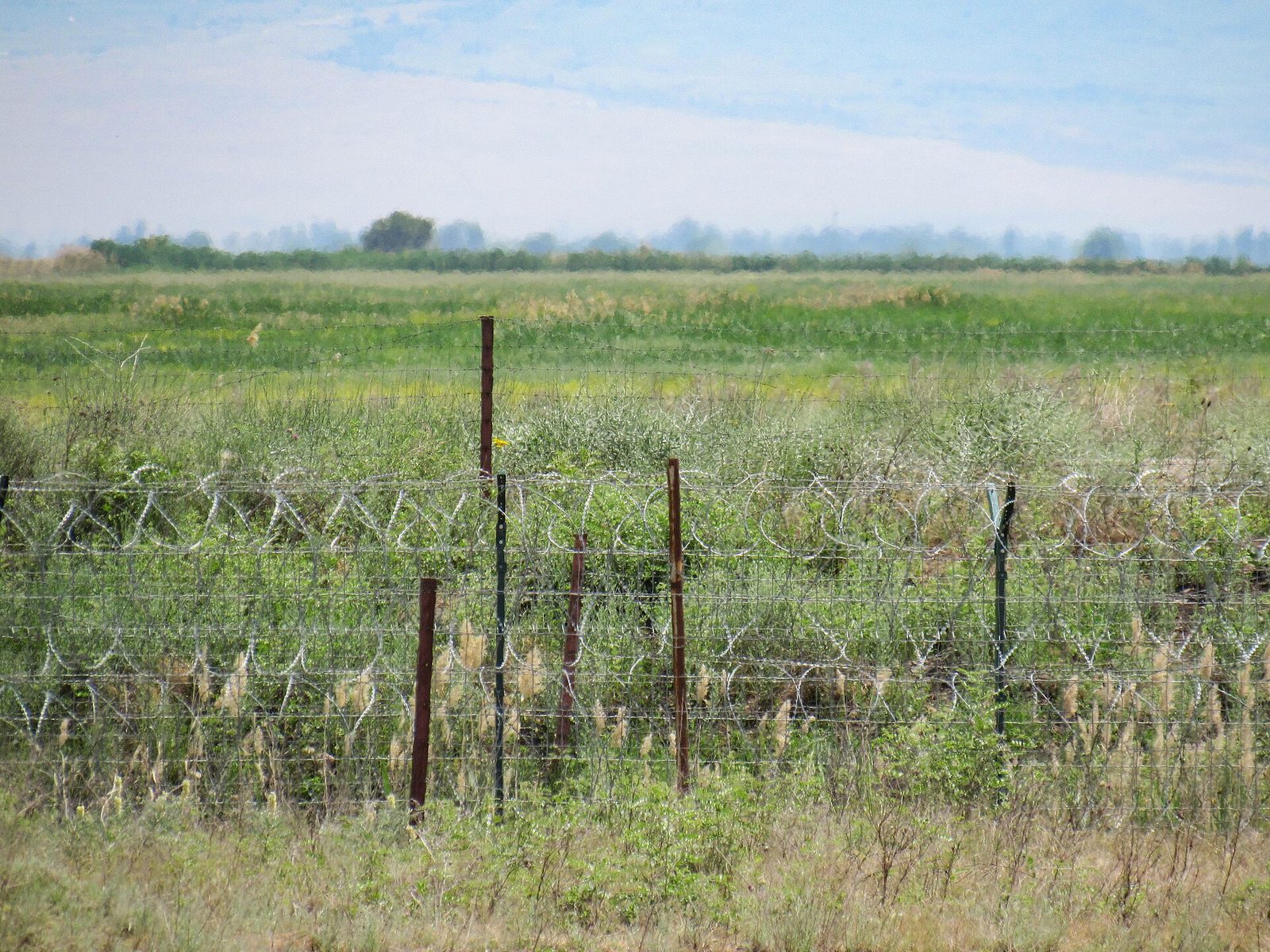
Kazakhstan has significantly reduced the number of inspections of Kyrgyz transport on the shared border: whereas in 2022 about 10 percent of vehicles crossing the border were checked, by the end of 2025 the figure was about 3 percent. This was reported by Kyrgyzstan's Ambassador Extraordinary and Plenipotentiary to Kazakhstan, Kudaibergen Bazarbaev, at a meeting of the Jogorku Kenesh committee on international affairs, defense, security and migration.
According to the ambassador, at the end of 2025, of 18,254 vehicles crossing the border, only 643 were inspected — about 3 percent. "There is a good trend toward fewer checks; we see no visible obstacles now," Bazarbaev noted.
Inspections nonetheless continue because of violations that are detected. In the spring, trucks were detained at the border with Kazakhstan in which 18 people were attempting to enter a third country illegally.
Separately, Bazarbaev dwelt on the introduction of the Kazakh system QazETA. Initially it was assumed that it would become paid from 2026, but after negotiations with the Kazakh side it proved possible to secure the cancellation of the fee and the postponement of the system's introduction to 1 July 2027. Until then, according to the ambassador, outreach work among Kyrgyz citizens is needed.
Kazakhstan provides exceptions for 29 categories of citizens, to whom the system does not apply for 72 hours — among them children under 16 and citizens over 65. According to the ambassador's estimate, Kazakhstan today has between 67,000 and 70,000 labor migrants from Kyrgyzstan.
In addition, on 30 October Kazakhstan was visited by Kyrgyzstan's prime minister. During the talks, Kazakhstan's Interior Ministry agreed to expand the list of categories of citizens covered by exceptions to QazETA requirements.
Sources — how we know this
- Primary24.kg