This story is currently available in англійська only — a translation isn't ready yet.
Five EU countries call for sanctions against Russian crypto networks
The foreign ministers of Finland, Denmark, Estonia, France and Lithuania sent a letter to Kaja Kallas and Maria Luis Albuquerque with three proposals for combating sanctions circumvention.
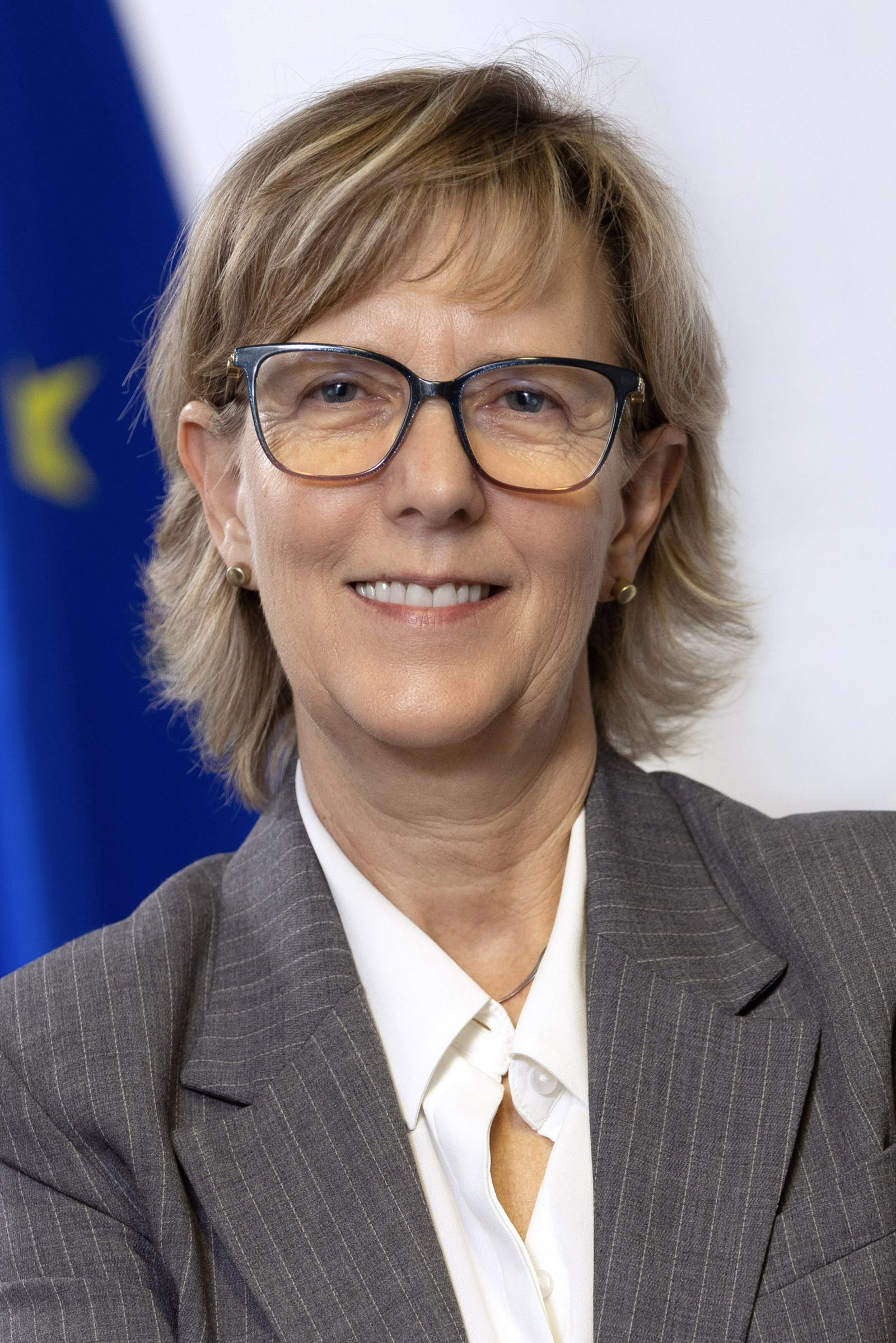
The foreign ministers of Finland, Denmark, Estonia, France and Lithuania on 16 November sent a letter to the European Union's leadership calling for new sanctions against Russian crypto networks that finance Moscow's war against Ukraine.
The letter is addressed to the EU's High Representative for Foreign Affairs, Kaja Kallas, and to the European Commissioner for Financial Services, Maria Luis Albuquerque. In the ministers' assessment, Russia is increasingly using crypto assets for cross-border payments in circumvention of sanctioned banking systems, and together with shell companies such networks help finance the war.
"Our sanctions against Russia must work even when money finds new paths," said Finnish Foreign Minister Elina Valtonen. According to her, the EU must "stop military cryptocurrencies and squeeze Russia's war budget" with new targeted sanctions and broader international coordination.
The ministers proposed three lines of action: targeting Russia-linked crypto exchanges and shell companies, strengthening enforcement to identify circumvention schemes, and closing regulatory and supervisory gaps.
The letter positively assesses the European Commission's initiative of 6 November to create a task force on crypto sanctions. "The next sanctions package must make it harder for Russia to pay for the war," Valtonen wrote in the joint letter, adding that sanctions "must follow the money, including when it moves along new paths, including cryptocurrencies."
On 12 October, EU foreign ministers approved almost 1,600 new restrictions against the Russian military-industrial complex — the largest single replenishment of the sanctions lists. They covered shipbuilding and aviation companies, electronics manufacturers, armored vehicle repair enterprises and aerospace firms.
Sources — how we know this
3 independent sources corroborated this
- PrimaryThe Kyiv Independent
- CorroboratingInterfax-Ukraine
- CorroboratingRBC