This story is currently available in англійська only — a translation isn't ready yet.
Uzbekistan's Central Bank proposes publishing tariff schedules years in advance
The regulator raised its inflation forecast for end-2026 to 7% and kept the policy rate at 14% per annum.
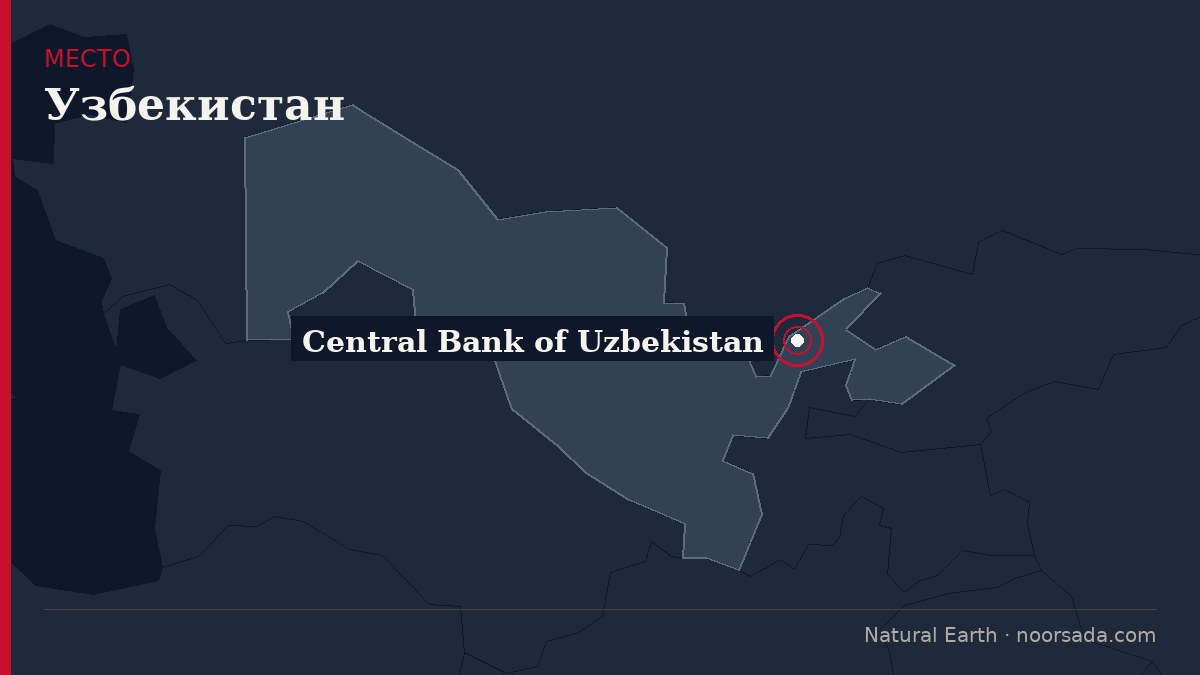
The Central Bank of Uzbekistan has proposed publishing schedules of changes to utility tariffs several years before they are introduced — so that households and businesses can plan their expenses and reduce the uncertainty of inflation expectations. The proposal is set out in the draft Main Directions of Monetary Policy for 2027–2029.
According to the regulator's estimate, price growth for certain types of fuel and regulated services in 2026 exceeded its initial forecasts — including liquefied gas for the population, hot water and centralized heating. The planned tariff increase due before the end of the year may add 0.8 percentage points to overall inflation.
Taking into account the higher regulated prices, the Central Bank raised its inflation forecast for end-2026 to 7% from the previously expected 6.5%. The core inflation forecast was kept at around 5.5%.
On November 4, deputy chairman of the Central Bank Nodirbek Achilov said that the updated forecast already takes into account the rise in liquefied gas prices and the proposed changes to heating tariffs. The head of the monetary policy department, Samigjon Inogamov, noted that the initial calculations also included an increase in heating and hot water charges, but the proposed new tariffs turned out to be higher than the regulator had expected. This became one of the reasons for the decision to keep the policy rate at 14% per annum.
The dynamics of regulated prices affected inflation in 2026 unevenly. In the first half of the year, consumer price growth slowed — inflation fell to 5.5% in May, as the effect of the 2025 energy tariff increase dropped out of the annual calculation. After another increase in energy tariffs in June, inflation accelerated again and reached 6.4% in September. Annual growth in regulated prices over that period slowed from 17.7% to 12.5%, but they are still rising faster than the overall consumer price index.
The regulator warned about secondary effects: higher energy and utility costs increase business costs for production, transportation and services, and companies may pass them on to consumers. Therefore the inflationary impact of the tariff reform may persist longer than a one-off change in bills.
Under the baseline scenario, in 2027 the impact of previous increases in regulated prices on annual inflation will diminish and may produce a decline of 0.8–0.9 percentage points — thanks to the base effect, and not a return of tariffs to previous levels. With more moderate growth in domestic demand, lower inflation expectations and continued tight monetary conditions, the Central Bank expects inflation to reach the 5% target in the second half of 2027, and core inflation to reach 4–5%.
In a separate annex to the draft, the tariff reform is examined in the context of modernizing energy infrastructure. The success of the reform cannot be measured only by the growth in revenues of service providers, the regulator points out: the quality of services, the reliability of energy supply, management efficiency and the reduction of technical losses are important. In 2021–2025, installed generation capacity in Uzbekistan grew by 50% — from 16.49 GW to 24.74 GW, while electricity supply rose by 16.3%, from 74.95 billion to 87.18 billion kWh.
The document cites examples from other countries. In Kyrgyzstan, a schedule of electricity tariff changes through 2030 was approved in 2025: for households consuming up to 700 kWh per month, an annual increase of 20% is envisaged. In the United Kingdom, the regulator Ofwat sets price limits for water companies for five-year periods, and for 2025–2030 the average annual household bill for water and sewerage is to rise from £440 to £597 excluding inflation. In Kazakhstan, a system of approving long-term maximum tariffs for a period of five years or more is in effect.
From June 1, 2026, Uzbekistan raised electricity and natural gas tariffs for the population. From November 15, the price of liquefied gas is to rise from 2,000 to 5,000 sum per kilogram. In October, a draft to raise tariffs for centralized heating and hot water was put out for public discussion; in Tashkent the proposed increase is around 30%.
Sources — how we know this
- PrimaryUzDaily
Energy Portfolio
Check your broker for the latest on energy stocks.
View Now →