This story is currently available in англійська only — a translation isn't ready yet.
IRGC: Hormuz Remains Closed and Washington's Attempts to Escort Ships Have Failed
Iran says two more oil tankers turned back after a naval warning, and Tehran is awaiting a US response to seven conditions conveyed through a Qatari mediator
ℹ️ Озвучка браузером · студійний голос ШІ незабаром
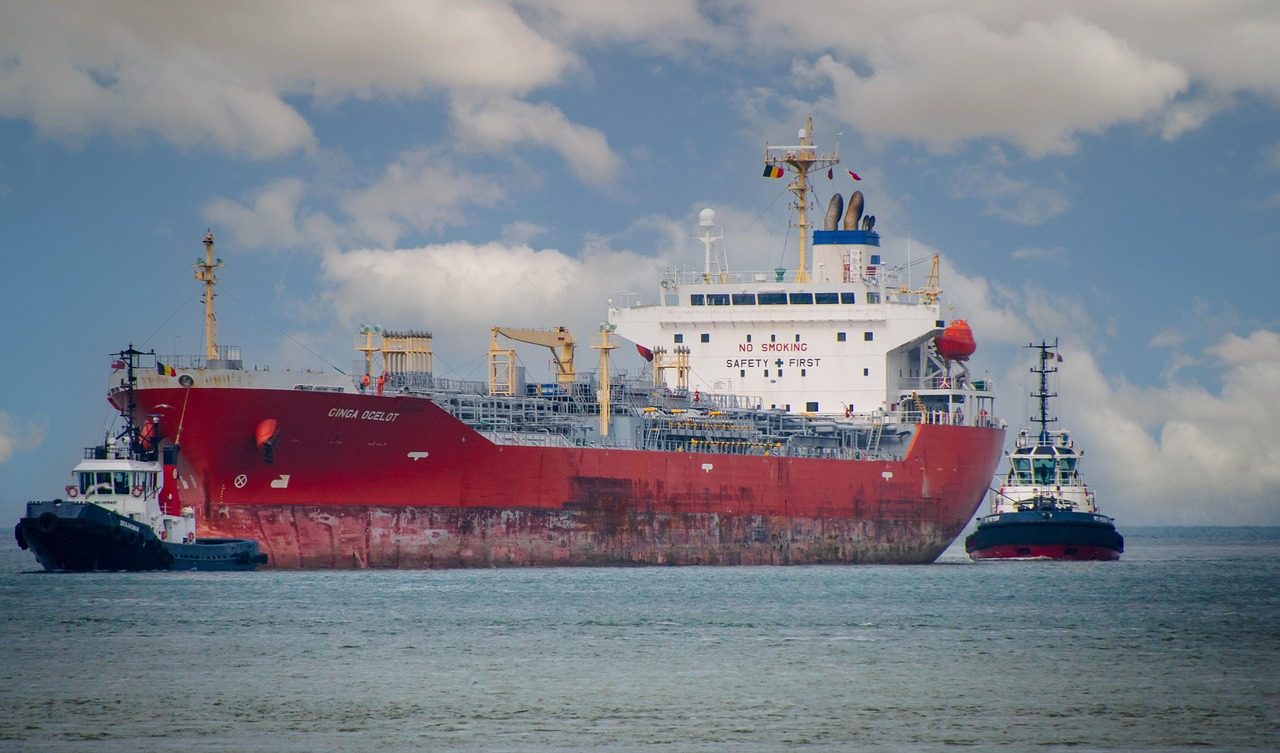
Iran's Revolutionary Guard announced that the Strait of Hormuz remains closed and that US attempts to escort ships through the waterway have failed, vowing that any American attack would draw a harsher response. The statement, carried by the Guard's Fars news agency, came a day after its navy announced that two oil tankers had been struck by naval mines while attempting to cross the strait.
The Guard said the two tankers had shut down navigation and tracking systems and used an "unauthorized" route, and that two other oil tankers turned back toward the Gulf after warnings from the maritime traffic center. The official IRNA agency carried the same statement, while the semi-official Tasnim agency described the operation as a "serious warning" over what it called aerial provocations and oil smuggling in the strait.
In a separate statement, the Guard announced it had launched six drones at a US air defense radar system at the Al-Rifaa air base in Bahrain, the second announcement of its kind in three days. Bahrain's Interior Ministry issued two alerts within about three hours, the first at 4:30 a.m. (01:30 GMT), urging residents to "stay calm" and head to the "nearest safe place." Bahrain's Defense Force said its air defense systems intercepted several Iranian "aerial attacks" targeting the kingdom.
US Central Command (CENTCOM) announced on Friday that it had shot down two Iranian drones and denied that a radar had been destroyed, and it has not yet commented on Sunday's announcement.
On the diplomatic track, the speaker of Iran's Consultative Assembly and chief negotiator Mohammad Bagher Ghalibaf said Tehran had conveyed seven conditions for reaching an agreement through a Qatari mediator and was awaiting a formal US response, while President Donald Trump's administration tightened sanctions and maintained the blockade on Iranian ports. Tehran informed the UN Security Council that it would respond immediately to any renewed American or Israeli attack, accused Bahrain and other Gulf states of supporting US military operations, and called on Manama to fully implement Resolution 2817.
A Pentagon Inspector General report issued in September had found that Iranian attacks damaged or destroyed buildings at US facilities in eight countries, including Bahrain, during the first four months of the US-Israeli war on Iran that began on February 28.
Saeed Golkar, an associate professor of political science at the University of Tennessee at Chattanooga, said: "Both sides may prefer to avoid an all-out war, but the danger lies in miscalculation."
Sources — how we know this
- PrimaryAl Jazeera English
Energy Portfolio
Check your broker for the latest on energy stocks.
View Now →