This story is currently available in англійська only — a translation isn't ready yet.
Qalibaf: The armed forces will determine the "geography of the battle" and we will not remain in "neither war nor peace"
Iran's parliament speaker makes the "seven conditions" a prerequisite for any agreement and says Tehran will not remain in "neither war nor peace," after Khamenei's order to respond "immediately and without geographic restrictions"
ℹ️ Озвучка браузером · студійний голос ШІ незабаром
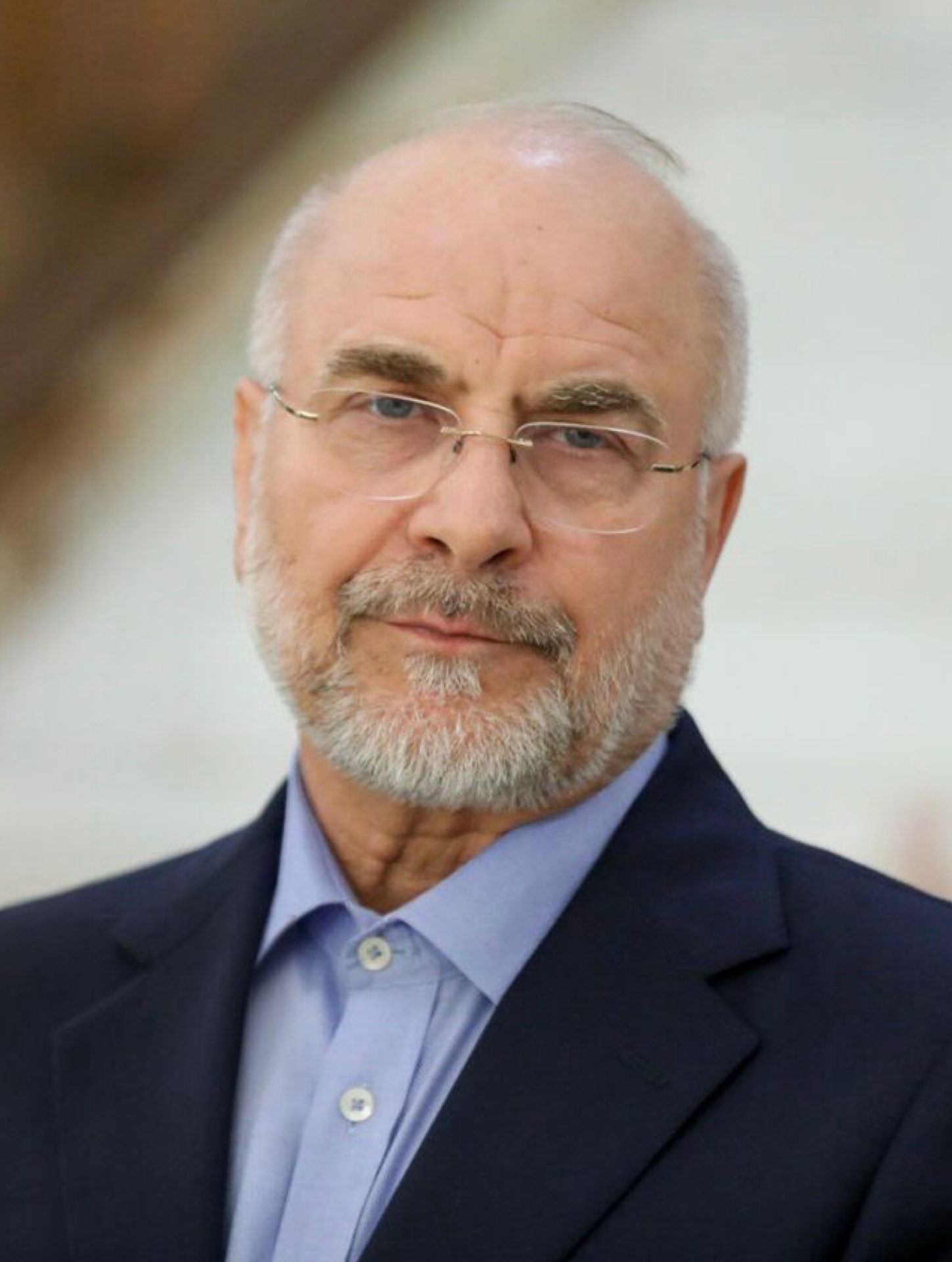
Iranian Parliament Speaker Mohammad Bagher Qalibaf threatened on Sunday that Iran's armed forces will determine the "geography of the battle" if the United States carries out a new military action, and said in a speech before the agenda of the public parliamentary session held online: "We do not care at all whether America wants negotiation or war."
He added, according to the Iranian parliament's website, that Iran "will not remain in a state of neither war nor peace," and that the door to agreement is open "if they accept our seven logical conditions," warning that "many will bear the consequences of a new war."
Qalibaf described the unveiling of a new "missile city" as an achievement realized "during the war and under enemy fire," and said the missile unit in the "Revolutionary Guard" "made the impossible possible."
The parliament speaker made these remarks after an order issued by Supreme Leader Mojtaba Khamenei to the commanders of the armed forces to respond to any threat "immediately and without geographic restrictions," according to his official website.
Chief of the General Staff Ali Abdollahi warned on Tuesday, during a tour by military commanders of an underground missile facility, that Iran's response to any new attack could extend beyond the Middle East. And the Secretary of the Supreme National Security Council, Mohsen Rezaei, threatened on Wednesday to attack American bases outside the Middle East, including in Europe, if they are used to strike Iran.
The spokesman for the "Revolutionary Guard," Hossein Mohbi, announced last week the lifting of restrictions on missile range, and the transfer of missile and drone production lines underground. The declared maximum effective range of Iranian missiles ranges between 2,000 and 2,500 kilometers.
On the American side, President Donald Trump said earlier in the week that the war "has effectively ended militarily," then announced on Thursday that his country "does not need an agreement with Iran." Trump and his vice president, JD Vance, acknowledged that the war, which sharply raised oil prices, contributed to the Democrats' victory in the midterm elections held on November 5.
A third American aircraft carrier is heading to the region, according to "Reuters," which also reported that Trump told his advisers he might hold back from new strikes unless there are provocations from Iran or the Houthis. "Associated Press" quoted two Middle East diplomats as saying that Qatari mediation for an interim agreement restoring navigation in Hormuz has entered a waiting phase, after Trump sidelined his vice president from the negotiations.
The "Fars" agency, affiliated with the "Revolutionary Guard," reported on Sunday the sighting of a Qatari government aircraft in Iranian airspace heading to Tehran, days after another Qatari plane left the Iranian capital on Thursday, less than two hours after its arrival.
Sources — how we know this
- PrimaryAsharq Al-Awsat
Energy Portfolio
Check your broker for the latest on energy stocks.
View Now →