This story is currently available in англійська only — a translation isn't ready yet.
Qatar and Turkey Sign Joint Defense Agreement Amid Iran War and Hormuz Crisis
Supreme Strategic Committee, in its twelfth meeting in Istanbul, approves a package of partnerships including joint military manufacturing and the "Badr" declaration
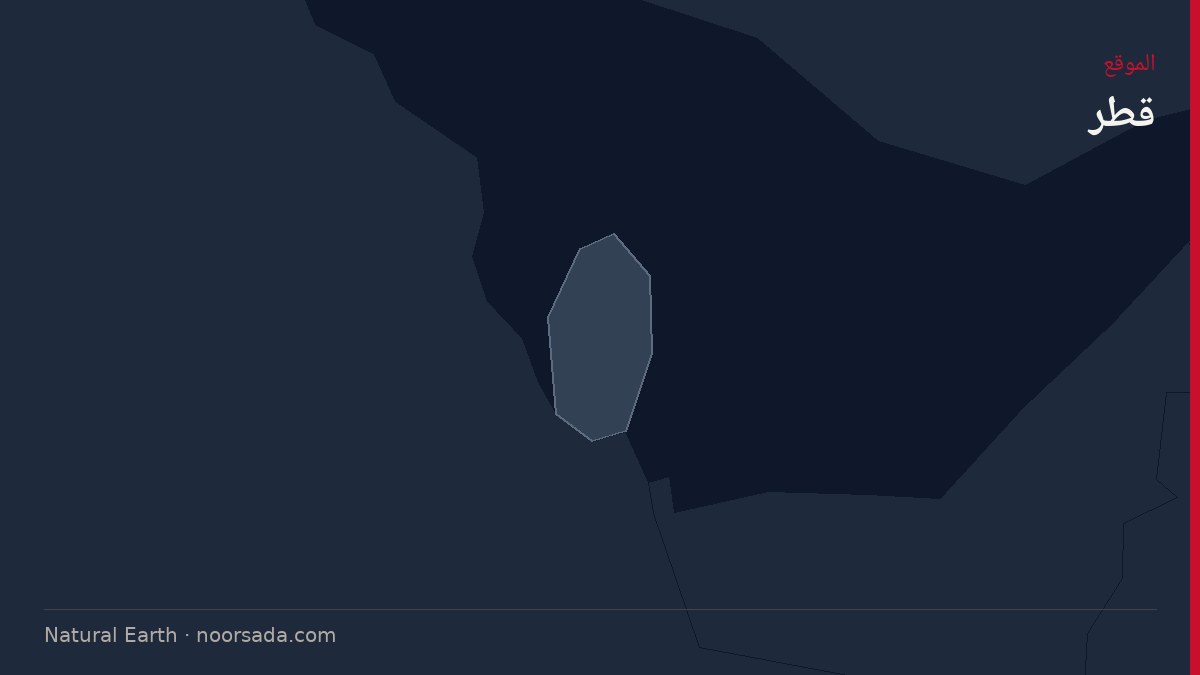
Qatar and Turkey signed a joint defense agreement obligating each of them to take a unified position in the face of any external armed attack targeting one or both of them, on the sidelines of the twelfth meeting of the Turkish-Qatari Supreme Strategic Committee, held by President Recep Tayyip Erdogan and Emir Sheikh Tamim bin Hamad Al Thani in Istanbul.
The joint statement established a defense consultation framework encompassing the exchange of military exercises, cooperation in the defense industries, and the exchange of personnel, without specifying the conditions under which the agreement would be activated or the form that the joint response would take — something the statement flagged deliberately, not by omission.
The two sides announced that the war on Iran and its regional repercussions should be resolved through dialogue and diplomacy, and called for "a rapid and complete resumption of safe navigation through the Strait of Hormuz." Abdullah Bander Al-Otaibi, assistant professor at Qatar University, told Al Jazeera that the goal is not to form an alliance against any particular state, but to raise the cost of any potential aggression in order to deter it.
Doha and Ankara welcomed the "Badr" memorandum, which Turkey, Qatar, Pakistan and Indonesia have joined, describing it as a step toward collective defense based on "developing local capabilities," including joint production, technology transfer, and strengthening supply chains.
Turkish contracting companies have carried out 206 projects in Qatar with a total value of 20.8 billion dollars, according to the statement, while the two sides renewed their goal of raising the volume of trade exchange to 5 billion dollars. Mahjoub Zouiri, an expert in Middle East policies, noted that the shift toward joint manufacturing represents an advanced strategic stage requiring investments worth billions of dollars and long-term commitments. Analyst Ozcan Tekit of Anadolu explained that cooperation could in the future extend to missile defense systems and armored vehicles, noting that these are possibilities whose details were not announced in the agreement.
Sources — how we know this
2 independent sources corroborated this
- PrimaryAl Jazeera English
- CorroboratingFrance 24 (EN)