هذا المحتوى متاح حالياً باللغة الإنجليزية فقط — الترجمة ليست جاهزة بعد.
Hormuz, Quad, and a livestock pen in Karachi: the price of a deal nobody wants to sign
The Iran file has stopped being a security story and become a logistics story — and the bill is already arriving at the household level.

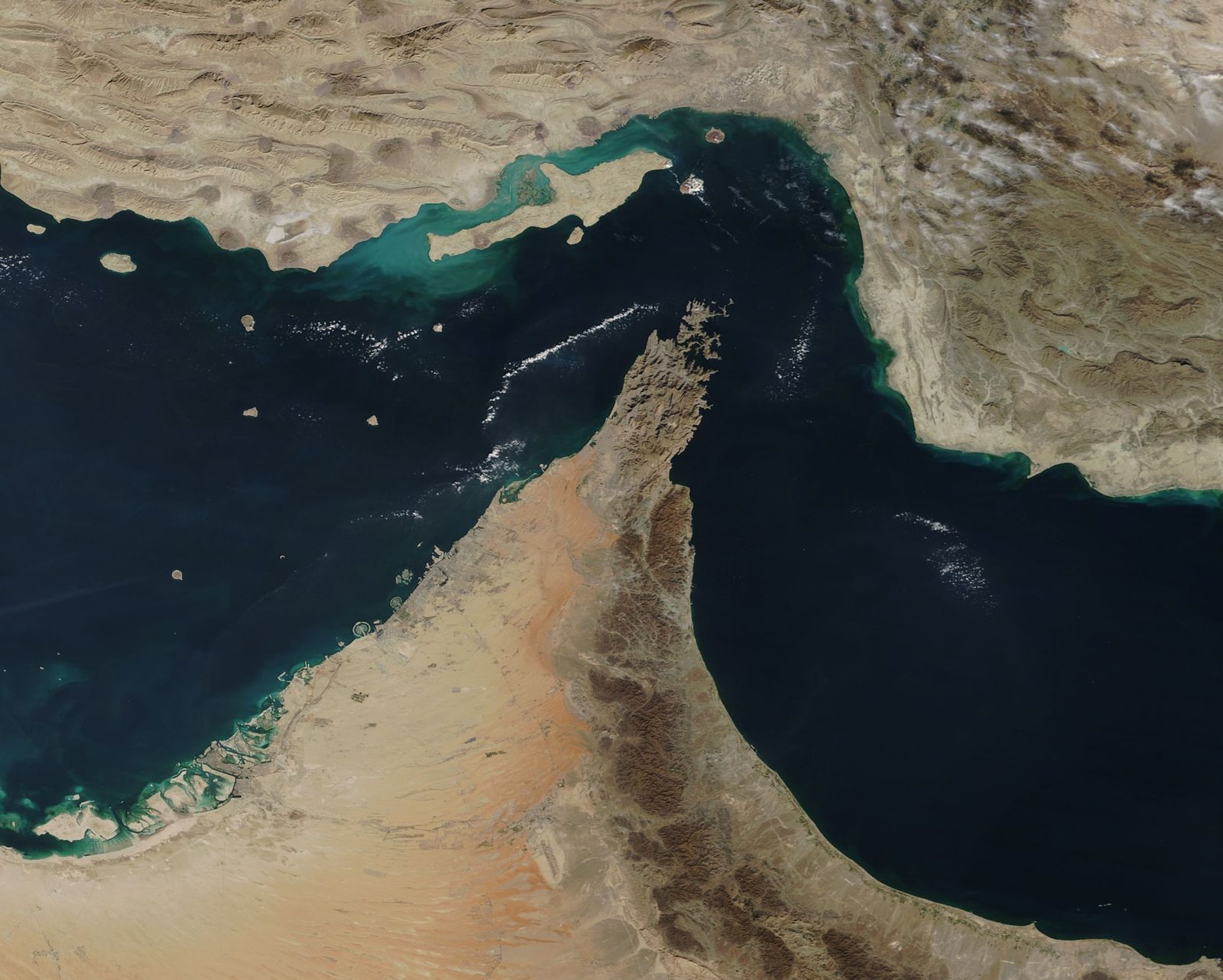
Start with the teleconference. Erdogan, Trump, and a small circle of regional leaders spent part of yesterday on a line about Iran, and the Turkish readout settled on a single phrase worth dwelling on: an agreement ensuring free passage through the Strait of Hormuz would support regional stability. That sentence is not a security communique. It is a shipping notice dressed in diplomatic language. Ankara is signaling that the conversation has already moved past whether Iran is contained and onto the question of who guarantees the tankers, and on what terms.
Now set that next to a livestock pen outside Karachi. Pakistani traders going into Eid al-Adha are watching their margins compress because the war on Iran has rerouted feed, fuel, and cross-border animal movement that used to be quietly absorbed by the Balochistan corridor. The wires file this as a seasonal story. It is not. It is the first household-level invoice for a regional war whose front line is invisible to most consumers but whose freight effects are already pricing into a family's Eid table.
The third piece sits in Delhi, where the Indian foreign minister hosted Rubio ahead of a Quad meeting. The public language was the usual vocabulary of deep and broad-based cooperation. The quieter conversation, the one that the readouts will not carry, is about who absorbs Iranian and Russian crude if Hormuz access becomes conditional, and what Washington is willing to tolerate from Delhi in exchange for Quad alignment on the Pacific. India has spent two years being the swing buyer of discounted barrels. That position is now leverage, and Rubio's four-day visit is long enough to be a negotiation, not a courtesy.
The spine, then, is this: the Iran file has stopped being a containment story and become a logistics story. Three capitals — Ankara, Washington, Delhi — are negotiating the post-war freight map before the war has a settlement. The argument that the US president is chasing any deal because domestic pressure is mounting, an argument now openly aired in commentary, only sharpens the point. A rushed deal will lock in whatever transit arrangement is on the table in the next few weeks, and that arrangement will set shipping insurance rates, Gulf bunker prices, and the landed cost of everything from Pakistani feedstock to Egyptian wheat for the next two quarters.
For the reader, this is where it touches the week. If you run a business that imports anything routed through the Gulf or the Red Sea, your forwarder's quotes over the next thirty days are not noise — they are the early read on what the Ankara-Washington conversation actually produced. If you are a household in a dollar-pegged economy, the fuel subsidy math your government is doing right now assumes a Hormuz premium that may or may not survive the deal. If you have travel or tuition payments in hard currency between now and autumn, the FX desks are already pricing two scenarios, and the spread between them is wider than the official rate suggests.
Three questions worth carrying into the week. Ask your forwarder or supplier what their Gulf transit insurance line looks like compared to thirty days ago — the answer is more honest than any ministerial statement. Ask your accountant whether your next two quarters of hard-currency obligations are hedged against a scenario where a hurried Iran deal weakens, not strengthens, the regional risk premium. And watch the language coming out of Delhi after the Quad meeting: if the joint statement is unusually quiet on Iran, the deal in Ankara's readout is closer than the wires suggest.