هذا المحتوى متاح حالياً باللغة الإنجليزية فقط — الترجمة ليست جاهزة بعد.
Mohamed Salah in Turkey and the Gift That Tells a Bigger Story
A mayor, a football legend, and a lighthearted moment in Trabzon that reveals how celebrity has become the new diplomacy across the Mediterranean.

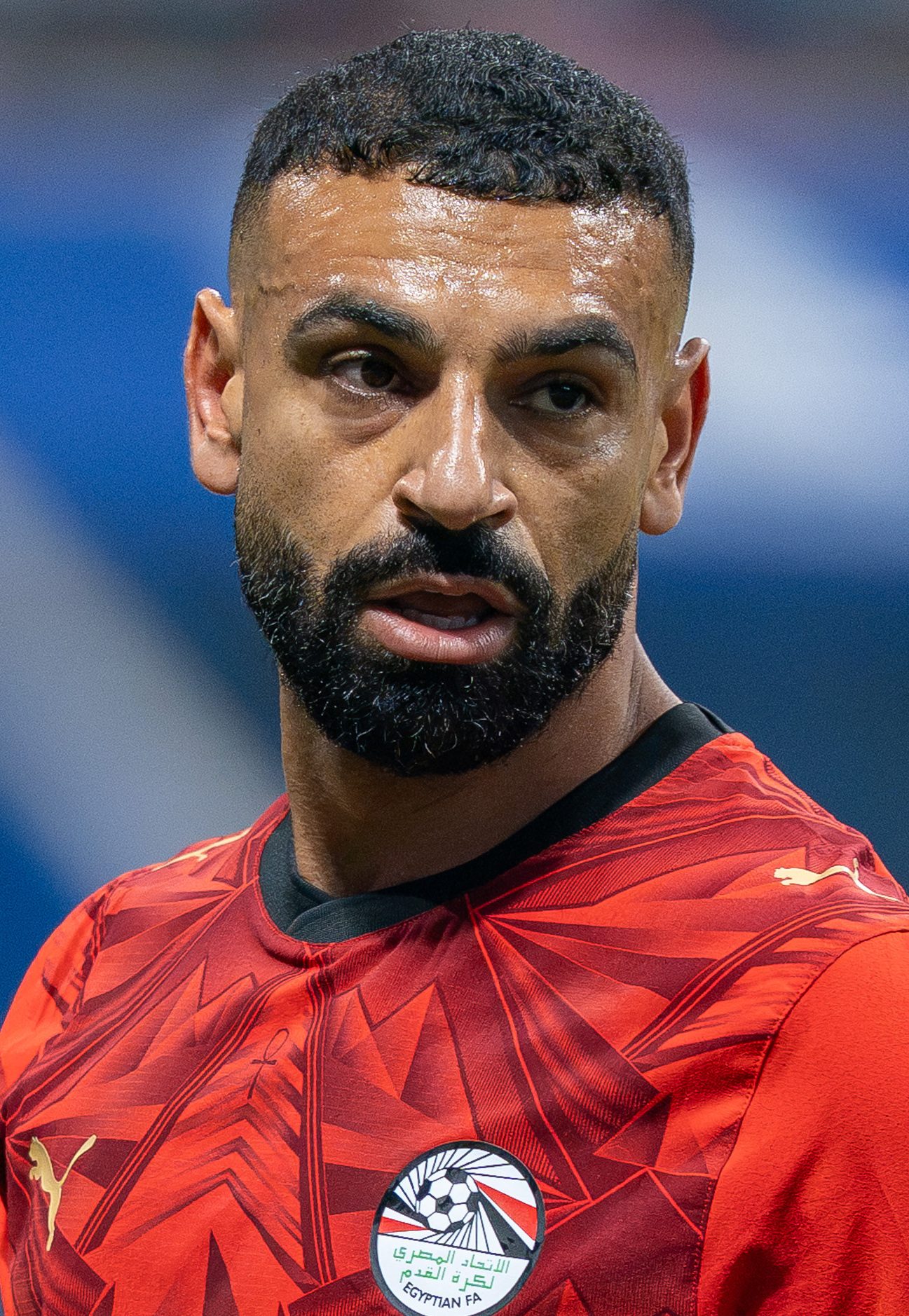
A Turkish mayor hands Mohamed Salah an unusual gift in a small Black Sea district, and the photograph travels the world before the handshake is even dry. This is the story that looks like a charm offensive and reads, once you lean in, like a masterclass in the soft economy of fame.
Salah needs almost no introduction, and yet the introduction earns its keep here. He is the Egyptian forward whose career has moved from Roma to Liverpool to Saudi Arabia — a trajectory that traces the fault lines of modern football finance as neatly as any boardroom document. He is also, in the Arabic-speaking world, something more than an athlete: a figure onto whom an entire region has projected its hungers for recognition, dignity, and the right to take up space on a global stage. When Salah arrives in Araklı, Trabzon, the visit is not simply a footballer passing through. It is a flag being planted.
Hüseyin Avni Coşkun Çebi, the local mayor who received him, understood this. Mayors of small districts do not make international headlines for receiving guests. They make them when the guest is the kind of person whose image, shared across platforms in a dozen languages, becomes a form of promotion that no tourism budget could purchase. The gift — described as unusual, its precise nature left delightfully vague in the reports — becomes almost secondary. What matters is the optics architecture: the official welcome, the lighthearted register, the images designed to travel warmly. In 2026, a mayor who earns a viral moment with a beloved figure has effectively run an international PR campaign for under the cost of a billboard.
This is the new shape of celebrity diplomacy, and it is especially visible across the Mediterranean and the broader Arab world right now. Football stars, in particular, have become the most portable form of soft power available to cities and nations that want to signal warmth, modernity, and openness without the friction of formal political channels. The gesture is cheerful; the calculation underneath is serious. Turkey has spent years cultivating its image as a crossroads civilization, fluent in both European and Arab registers. A viral moment with Egypt's most beloved export fits that project perfectly.
For Salah himself, there is something worth noting in the texture of these appearances. He has moved through several chapters of his public life with a deliberateness that the football press sometimes reduces to contract negotiations and transfer sagas. But the way he inhabits moments like this one — the ease, the humor, the willingness to accept a strange gift with apparent grace — reflects a kind of professional intelligence that goes beyond the pitch. Fame is labor, and the labor of being Mohamed Salah includes knowing when a lighthearted photograph serves something larger than your own image. It keeps the region's affection warm. It keeps the story going.
Meanwhile, the football news around him has its own texture. Omar Marmoush, the Egyptian forward who has climbed into the top four of Africa's most expensive players, is writing a parallel chapter — younger, still building the scaffold of his public identity, still in the phase where the statistics are doing most of the signaling. Salah and Marmoush together represent something interesting about Egyptian football's current moment: a generation of talent whose value is being recognized and denominated in the currencies of European and Gulf football simultaneously, with all the cultural complexity that entails.
Egypt, for its part, is chasing a record twenty million tourists in 2026. The tourism ministry knows, even if it would phrase it differently in official documents, that figures like Salah are doing promotional work that no campaign can replicate. Every warm image from Trabzon, every viral moment of the footballer received with local ceremony, feeds a larger narrative about Egyptian presence and prestige in the world. The celebrity and the national project are not separate stories. They are the same story told at different volumes.
There is a historical echo worth sounding here. In the early 1960s, Egyptian film stars were the Arab world's first true pan-regional celebrities — figures like Faten Hamama, whose career the Egyptian cinema establishment actively exported as a form of cultural authority. The mechanism has changed entirely; the logic has not. Then as now, the face that travels farthest carries a nation's aspirations with it, whether or not the nation and the face have ever formally agreed to the arrangement.
What the Trabzon photograph finally illustrates is something a sociologist would find as interesting as any football fan. In an era when formal diplomacy moves slowly and official tourism campaigns blend into noise, the celebrity who moves through the world gracefully — accepting a strange gift, laughing with a mayor, generating a photograph that crosses every language barrier — has become one of the most efficient units of international goodwill in circulation. The dress, as I always insist, is the lede. The deal, as always, is the story.