افتتاحيةVerified
هذا المحتوى متاح حالياً باللغة الإنجليزية فقط — الترجمة ليست جاهزة بعد.
The Hormuz bargain: why a quiet US-Iran thaw is the only story that matters this week
From Tehran to New Delhi to Cairo, three capitals are racing to lock in their position before the shape of a deal is set without them.
السرعة:
ℹ️ قراءة بصوت المتصفح · صوت الذكاء الاصطناعي قريبًا
SA
Sherif Al-Mahdi
· 3 دقيقة قراءة
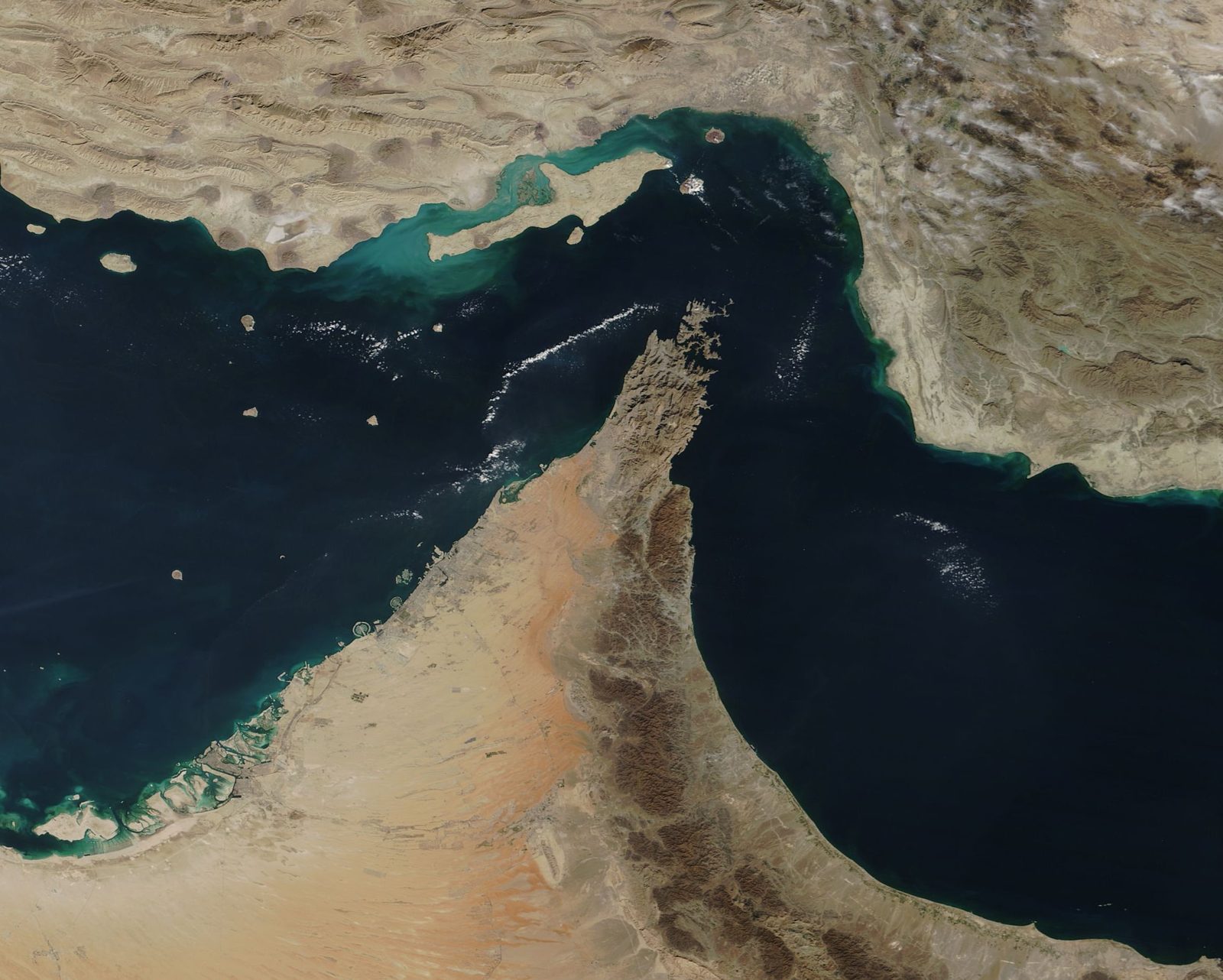
Start with the line out of Washington and Tehran that the wires carried almost as a courtesy: Donald Trump says progress, Iran says major gaps remain, and somewhere between those two sentences a deal over the Strait of Hormuz is being drafted. The public language is cautious. The private language, in the rooms that matter, is already past the question of whether and onto the question of who gets what.
Read it alongside two other wires from this week and the pattern becomes visible. Pakistan's army chief flew to Tehran to press for an end to the US-Israeli war on Iran, with Islamabad and Doha working to finalise a memorandum. Egypt has stepped up its own shuttle, engaging regional capitals to contain the escalation. And Hakan Fidan picked up the phone to Abbas Araghchi to compare notes on the Washington track. Four different governments, four different entry points, all converging on the same negotiation. That is the spine of the day.
What is actually being bargained is not the nuclear file in isolation. It is the price of crude through Hormuz, the future of the sanctions architecture that has shaped Gulf trade for a decade, and the unspoken question of who sits at the table when the regional security order is rewritten. Pakistan wants a seat because its economy cannot afford another oil shock. Qatar wants the mediator's chair it has built over years of patient work. Cairo wants to be indispensable to Washington again. Ankara wants to make sure nothing is decided in a room where it is not present. The race is not to stop the war — the race is to shape what comes after.
Notice what is happening on the battlefield while the diplomats talk. Cheap fiber-optic drones are getting through Israel's air defenses. That single technical fact is doing more to push the parties toward a settlement than any communique. When the cost of attack collapses and the cost of defense stays high, the side that looks militarily superior on paper starts looking for the exit. The Hormuz conversation is happening now because the military logic has changed, not because anyone has had a change of heart.
For the reader, the consequence is closer than it looks. A credible de-escalation in Hormuz takes the war premium out of Brent, which eases the import bill across the Gulf and the dollar-pegged economies that ride on it. It steadies the Egyptian pound's managed float at a moment when Cairo is already negotiating its next tranche with the Fund. It changes the calculation for anyone holding inventory priced in dollars and sold in regional currencies. Conversely, a collapse of these talks in the next ten days — and collapses at this stage of a negotiation are common — means a fuel bill that moves the wrong way through the summer, and a freight insurance market that reprices Gulf routes overnight. Either outcome touches the household budget within a quarter.
The questions worth asking this week are narrow and practical. Ask your accountant what a ten percent move in fuel costs does to your annual operating margin, in either direction. Ask whether contracts signed this quarter have a clause that lets either side walk if shipping insurance reprices. If you are planning a summer trip through Gulf airspace, ask the airline what its rerouting policy actually is, not what the website says. Watch the language coming out of Doha and Muscat over the next ten days more carefully than the language coming out of Washington — the mediators always know first. And watch whether Cairo's shuttle produces a public photograph or stays in the diwan. The photograph is the tell.