AgendaVerified
This story is currently available in Αγγλικά only — a translation isn't ready yet.
Messi Returns to Argentina, and the World Goes Quiet for a Moment
Jorge Messi is gone. His son flew home. Everything else in football can wait.
Ταχύτητα:
ℹ️ Ανάγνωση από τον περιηγητή · στούντιο φωνή AI έρχεται σύντομα
OF
Omar Farouk
· 2 min read
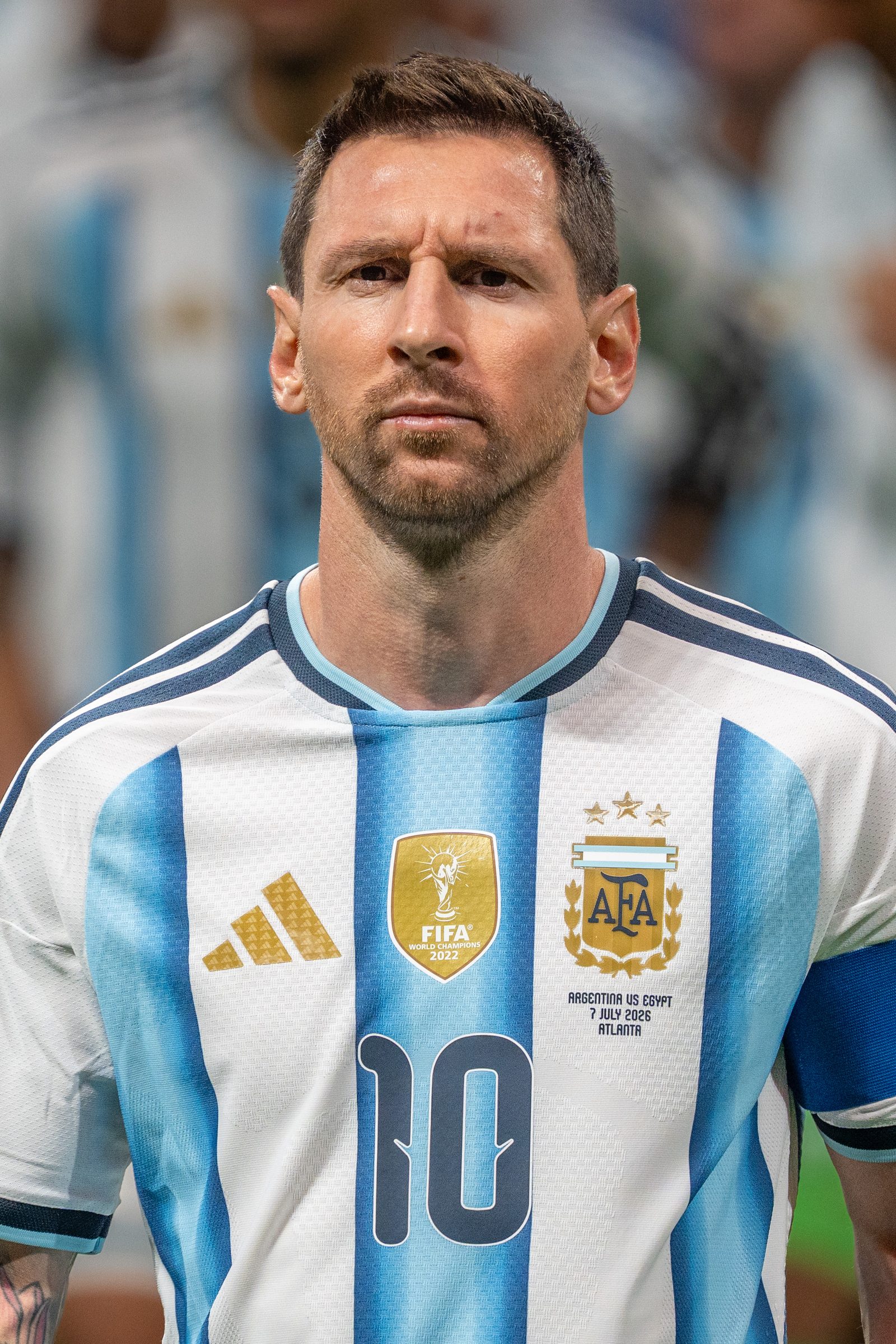
He did not fly home after a trophy. He did not fly home after a defeat. Lionel Messi flew home to Argentina on Saturday because his father died, and that sentence contains everything football cannot measure.
The score in this story is the second fact. The first is the image of a man — the most decorated footballer of his generation — boarding a plane not as an athlete but as a son. Whatever Inter Miami's schedule says, whatever commercial obligations exist, whatever the MLS standings look like: none of it entered the frame. Some moments simply close the door on sport and stand in front of it.
Jorge Messi was not a background figure in his son's arc. He was the arc. The father who drove Lionel to Newell's Old Boys training as a child. The man who negotiated with Barcelona when his son was thirteen years old and still needed growth hormone treatment. The person who sat with the family when the decision was made to leave Argentina the first time, and who was present — in various ways, from various distances — for almost every consequential turn that followed. You do not understand Lionel Messi's career without understanding that his father was in it with him, not as an agent or a manager in the cold transactional sense, but as a witness. The first witness.
There is a version of sports writing that would pivot here to legacy, to trophies, to the question of what this grief means for the player's final chapter. I have no interest in writing that version today. A man lost his father. His family flew home together. That is the whole story for now.
What I will say — and this is not analysis, it is just true — is that grief changes an athlete's relationship to the game in ways that cannot be scheduled or strategized. Some come back and play with a rawness that takes your breath away. Some need longer than anyone expects. Both responses are correct. The body keeps its own account.
The football world has responded with the decency it occasionally manages: messages from clubs, players, federations across every continent where Messi has competed or simply mattered. Which is most of them.
For now, Buenos Aires receives its most famous son under the hardest of circumstances. The city knows him as a footballer. Today it receives him as something more ordinary and more profound — a grieving child come home.
The cameras will find him again soon enough. The matches will resume. For this Sunday, let the airport arrival be the final frame: a family walking together, no trophies in hand, nothing to prove.