This story is currently available in Arabic only — a translation isn't ready yet.
A direct missile hit on an Emirati vessel, an Iranian warning to Riyadh, and two pegs that closed the week where they opened it.
ℹ️ Browser-based reading · AI studio voice coming soon

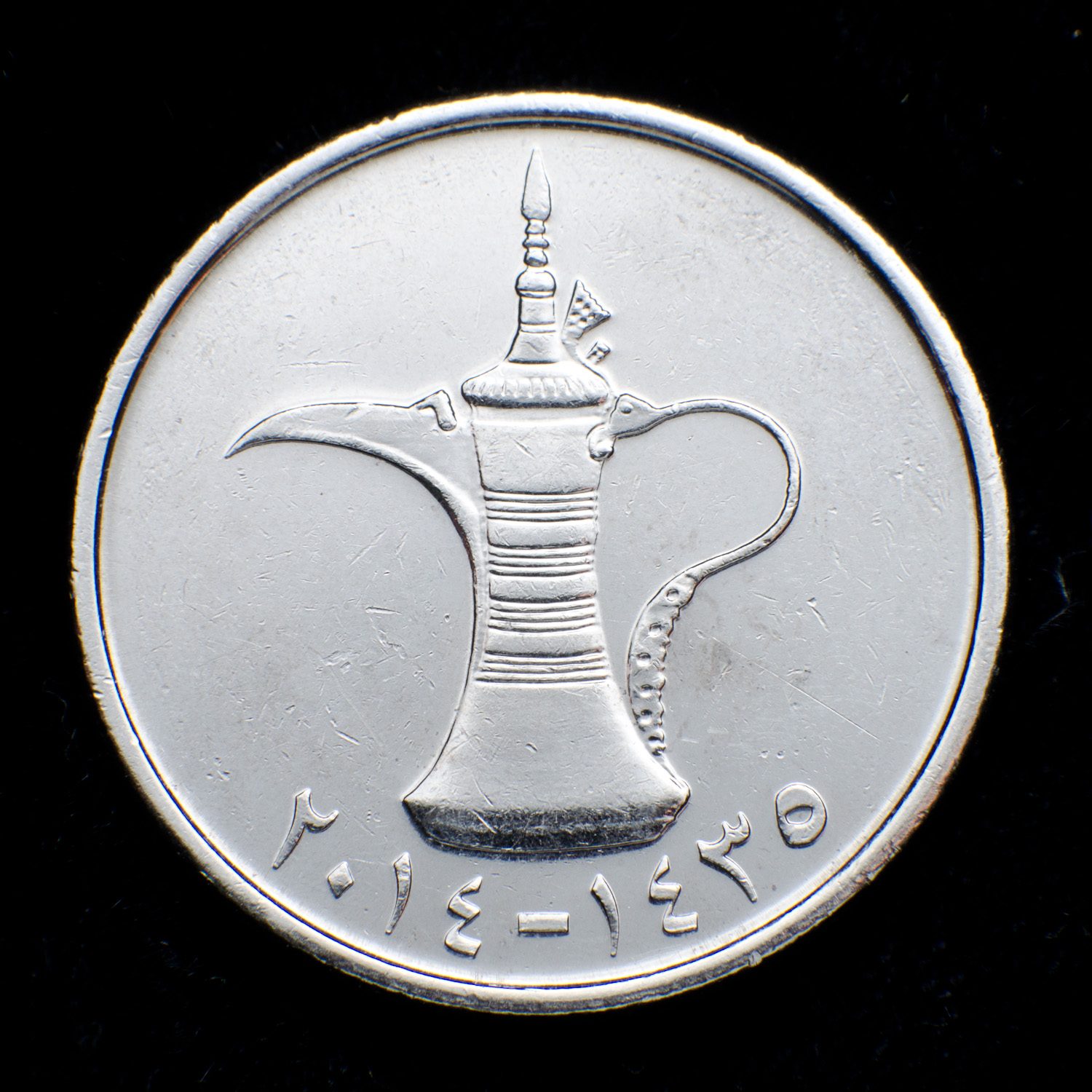
The week ended with a missile strike on an ADNOC-linked tanker in the Strait of Hormuz, an Iranian official warning Saudi Arabia that «clinging to America's lackeys» would not buy it security, and two Gulf pegs closing exactly where they always close. USD/AED sat at 3.6725. USD/SAR sat at 3.7500. If you had been shown only the currency screens on Saturday evening and asked to guess the news flow, you would have guessed a quiet August weekend.
This is the point worth dwelling on tonight, because…
A missile strike on an Emirati tanker in the Strait of Hormuz and Iranian warnings to Saudi Arabia left the dirham and riyal unchanged at their pegs, because currency pegs reflect central bank credibility and reserve depth, not single incidents. The real market signal emerged in war-risk premiums on shipping and in the Saudi-Turkey-Pakistan defence pact, which Tehran interpreted as escalation rather than deterrence.
If regional tensions escalate beyond rhetoric to proxy action, the spreads on GCC sovereign debt—not the pegged currencies—will widen, affecting borrowing costs for Gulf governments and investment returns for anyone holding their bonds. US crude production at 13.8 million barrels a day limits upside on any Hormuz-driven oil spike, but compresses the fiscal room Gulf producers need to defend their currency pegs if the risk premium persists or spreads.