Developing✓ 1 sourcesEditorialDeveloping
Denmark's PM Frederiksen fails coalition talks; liberal takes helm
Negotiations to form government collapse after prime minister unable to bridge leftist-moderate divide.
Speed:
ℹ️ Browser-based reading · AI studio voice coming soon
PD
Pierre Dubois
· 2 min read
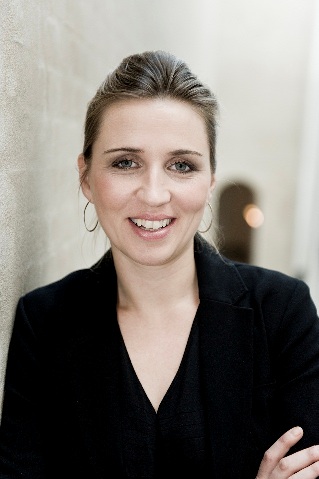
Danish Prime Minister Mette Frederiksen has failed to form a coalition government, triggering a power transition to a liberal politician.
Frederiksen's talks collapsed after she could not unite leftist and moderate parties into a governing coalition. The prime minister, who has led Denmark since 2019, now hands responsibility to a liberal politician to attempt government formation.
Denmark's multiparty system frequently requires coalition negotiations after elections. The failure to bridge the ideological gap between leftist and centrist factions represents a significant political reset in Copenhagen. The new negotiator faces the challenge of assembling a viable majority in the 179-seat Folketing parliament.
The shift marks a major turning point in Danish politics and could reshape policy priorities on taxation, welfare, and European integration.
Sources — how we know this
- PrimaryEurActiv