This story is currently available in Arabic only — a translation isn't ready yet.
The riyal closed at 3.7500, the dirham at 3.6725, and the interesting move today was in pipelines and politics, not in prices.
ℹ️ Browser-based reading · AI studio voice coming soon

The two numbers that matter most for anyone reading this closed unchanged. USD/SAR held at 3.7500. USD/AED held at 3.6725. That is the third consecutive session in which the region's headline prices have refused to acknowledge a headline environment that would, in almost any other currency regime, have moved them by something.
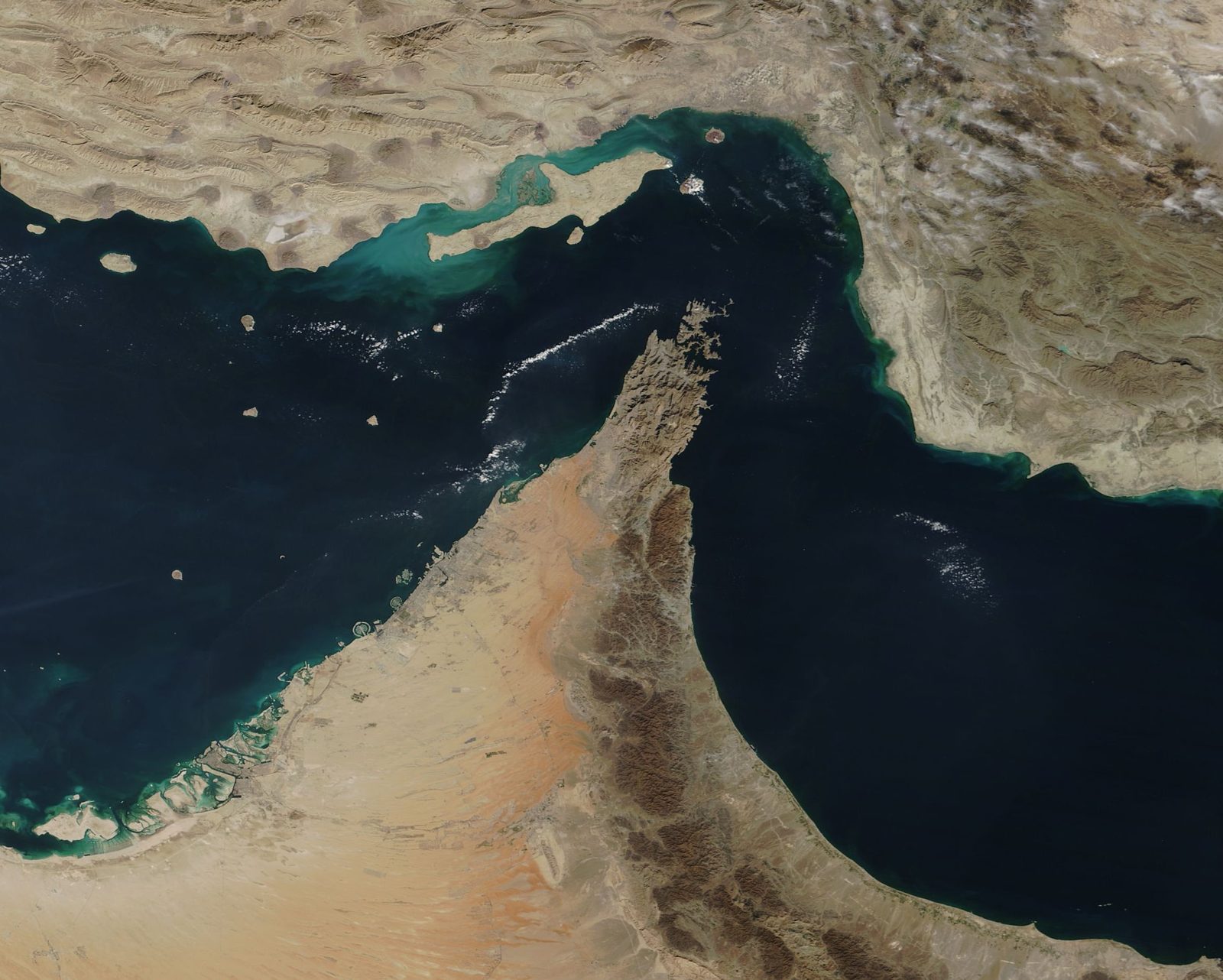
The headline environment: Gulf states are now openly working on Hormuz alternatives — pipeline routing, port capacity outside the strait, storage repositioning. Reporting…
Gulf states are simultaneously building alternatives to the Strait of Hormuz while negotiating to keep it open—a dual strategy their pegged currencies mask by absorbing volatility through central bank reserves. The real risk to watch is interbank liquidity tightening if reserve drawdowns accelerate, not the exchange rates themselves.
If Hormuz disruption fears force Gulf central banks to spend reserves defending their currency pegs, local liquidity will tighten before traders see it in exchange rates, affecting your borrowing costs and local asset prices. US crude production at 13.8 million barrels per day sets a ceiling on how much a Hormuz premium can build before American supply floods the market—watch whether that level holds, as a drop reintensifies geopolitical risk in your portfolio.