EditorialVerified
Iran's Nuclear Shadow Lengthens as Bushehr Restarts and Washington Waits for Tehran's Answer
Construction resumes at Bushehr Unit 2 as US-Iran diplomacy hangs by a thread — and the Strait of Hormuz is already seeing clashes.
Speed:
ℹ️ Browser-based reading · AI studio voice coming soon
SA
Sherif Al-Mahdi
· 2 min read
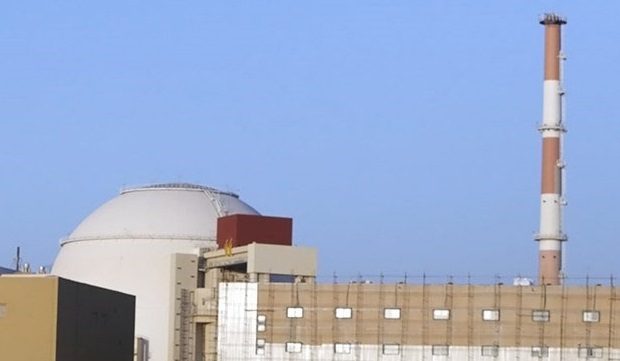
Two thousand two hundred Iranian construction workers walked back through the gates of Bushehr Nuclear Power Plant this week. That single detail — reported by Russia's Rosatom — tells us more about the current state of Iran's strategic posture than a dozen diplomatic communiqués.
The timing is not incidental. According to live reporting from Al Jazeera, the United States is currently awaiting Tehran's formal reply to a proposed peace framework, even as sources describe clashes near the Strait of Hormuz. Meanwhile, Israel struck southern Lebanon on Friday, killing at least 31 people including a rescue worker, according to Lebanon's National News Agency — a reminder that the region's pressure points are all connected and all live simultaneously.
Rosatom's announcement that construction on Bushehr's second power unit is resuming "gradually" is a carefully chosen word. Gradually means Tehran is keeping its options open. It signals enough forward momentum to reassure domestic audiences and Russian partners, while leaving room to pause if the diplomatic track produces something worth pausing for.
The nuclear file and the war file have never been fully separated in this region. What makes this moment distinct is that they are converging at unusual speed. A US-mediated framework is reportedly on the table. Iranian negotiators are reading it. And yet the construction crews at Bushehr are laying concrete.
For any editor watching this story, the operative question is not whether Iran will say yes or no to Washington — it is what "gradual" progress at Bushehr signals about Tehran's negotiating leverage. Every meter of new construction is a data point in that calculation.
The Cambodia-Thailand border ceasefire breaking down, the Virginia redistricting ruling, Reform UK's sweep in English local elections — these are consequential stories in their own right. But nothing on the wire this week carries the systemic weight of a nuclear-capable state simultaneously building civilian atomic infrastructure and fielding a peace offer from its principal adversary.
I have covered this region long enough to know that the moments most likely to produce miscalculation are precisely these: when multiple parties are each acting rationally according to their own internal logic, with no shared map of where the red lines are.
Washington reads the Bushehr restart as a pressure tactic. Tehran reads American patience as a negotiating asset. Moscow reads its role as Rosatom contractor as a geopolitical lifeline worth protecting. Each reading is internally consistent. None of them is the same reading.
The Strait of Hormuz reported clashes — however limited — are the variable that worries me most. Incidents in that corridor have a way of accelerating timelines that diplomats had assumed were still elastic.
Watch for Tehran's formal response to the US framework in the coming days. Watch whether the Bushehr announcement prompts any public reaction from European capitals, who have been quietly invested in reviving structured nuclear dialogue. And watch the Hormuz reporting closely — the details of what actually happened there matter enormously, and right now they are still murky.