EditorialVerified
The Ceasefires That Almost Hold: Gaza, Lebanon, and the Cost of Managed Conflict
A 45-day Lebanon truce extension and ongoing strikes on Gaza reveal the region's exhausting new normal — neither war nor peace.
Speed:
ℹ️ Browser-based reading · AI studio voice coming soon
SA
Sherif Al-Mahdi
· 3 min read
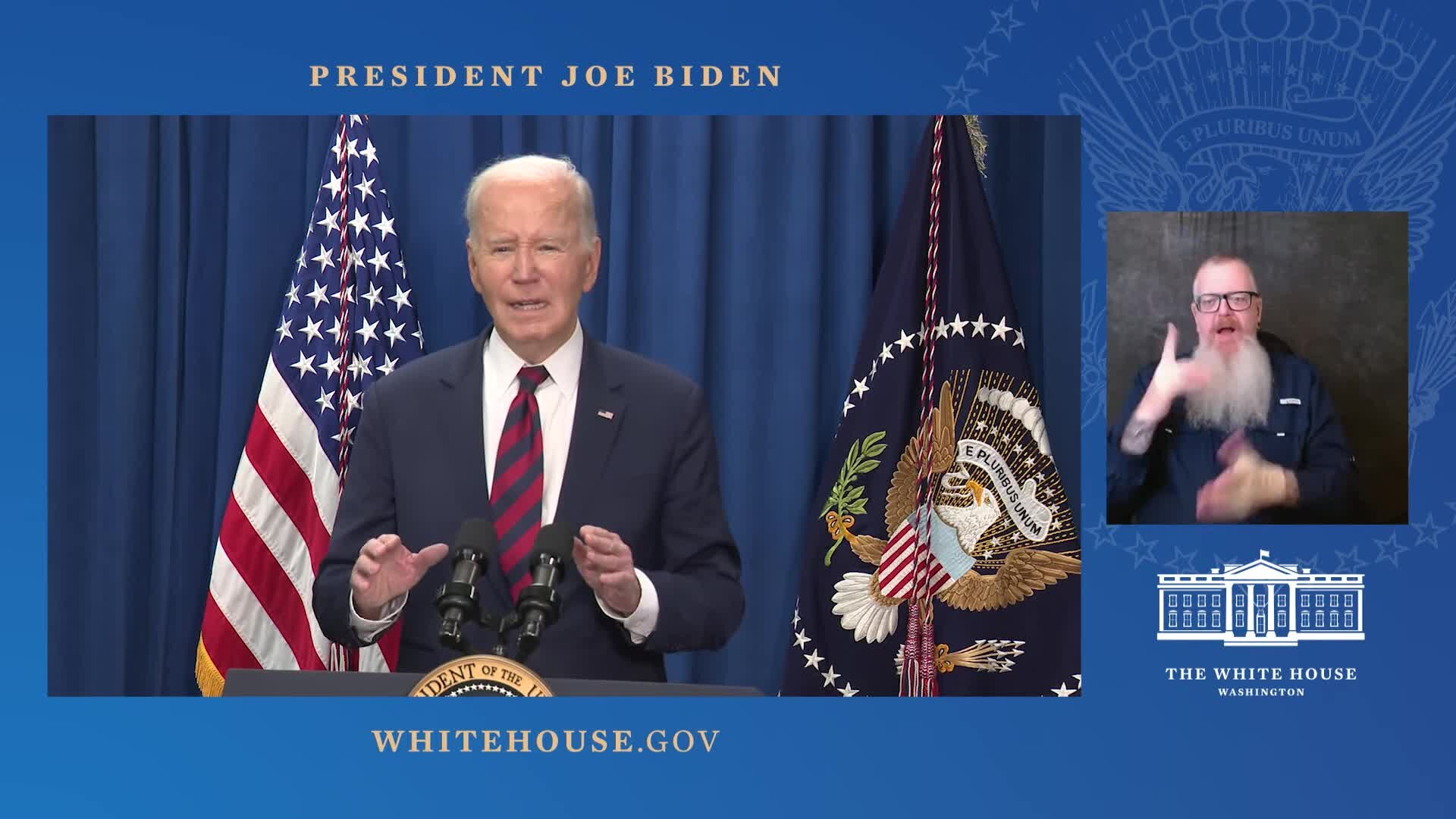
Forty-five days. That is how much more time the United States says Israeli and Lebanese delegations have agreed to buy. The truce extension, announced this week, is the latest chapter in what has become the defining diplomatic pattern of this region: short-term agreements that reduce the volume of violence without resolving any of its causes.
The number sounds like progress. It is not nothing. Fewer rockets, fewer funerals in southern Lebanon, fewer midnight alerts along the border. But violations are ongoing, according to widely cited monitoring, and a 45-day clock is not a peace process — it is a pause button with an expiry date.
While diplomats in Washington and Beirut traded congratulations, Israeli air strikes hit a residential building in Gaza City, killing at least seven Palestinians. That detail matters because it is not incidental. It is the backdrop against which every regional diplomatic announcement must now be read. Gaza is not paused. Gaza is not negotiating. Gaza is burning.
I have watched the Middle East through three decades of ceasefires, confidence-building measures, and framework agreements. The honest lesson from all of it is this: managed conflict is not a strategy — it is a delay, and the bill compounds interest.
Egypt's movement this week is worth noting separately. Cairo advanced a draft law to create a state-backed family support fund covering unpaid alimony — quiet domestic governance at a moment when the cabinet is also confirming plans to list military-affiliated companies on the Egyptian Exchange. Neither headline makes the international wires. Both tell you something real about where Egypt is putting its institutional energy: inward, toward economic stabilization and social safety nets, even as the war next door grinds on.
France's position deserves a paragraph of its own. President Macron said publicly this week that France has been outpaced in Africa by China, Turkey, and the United States. That admission — from a French president, in those precise terms — is not small. The post-colonial compact that underwrote French influence across the Sahel and beyond is not just fraying; its architect is now eulogizing it in real time. The implications ripple into every conversation about who fills the security vacuum in regions where France once operated with near-impunity.
And then there is the Ebola outbreak in DR Congo's Ituri province — 65 dead, 246 suspected cases, a rare strain. In a different news cycle this would lead every broadcast. Today it competes with air strikes, truce extensions, and transatlantic troop deployment disputes. The hierarchy of attention is itself a story.
US forces reportedly killed a high-ranking Islamic State figure in Nigeria this week, according to President Trump. The operation, described as a joint mission with Nigerian forces, signals that the IS franchise in West Africa is being treated as a serious enough threat to warrant direct action — a development that connects directly to the question Macron raised about who is shaping the security architecture of the African continent.