EditorialVerified
The Strait That Could Starve the World
Iran's hardened negotiating position and Hormuz shipping tensions are rewriting global food and energy security in real time.
Speed:
ℹ️ Browser-based reading · AI studio voice coming soon
SA
Sherif Al-Mahdi
· 2 min read
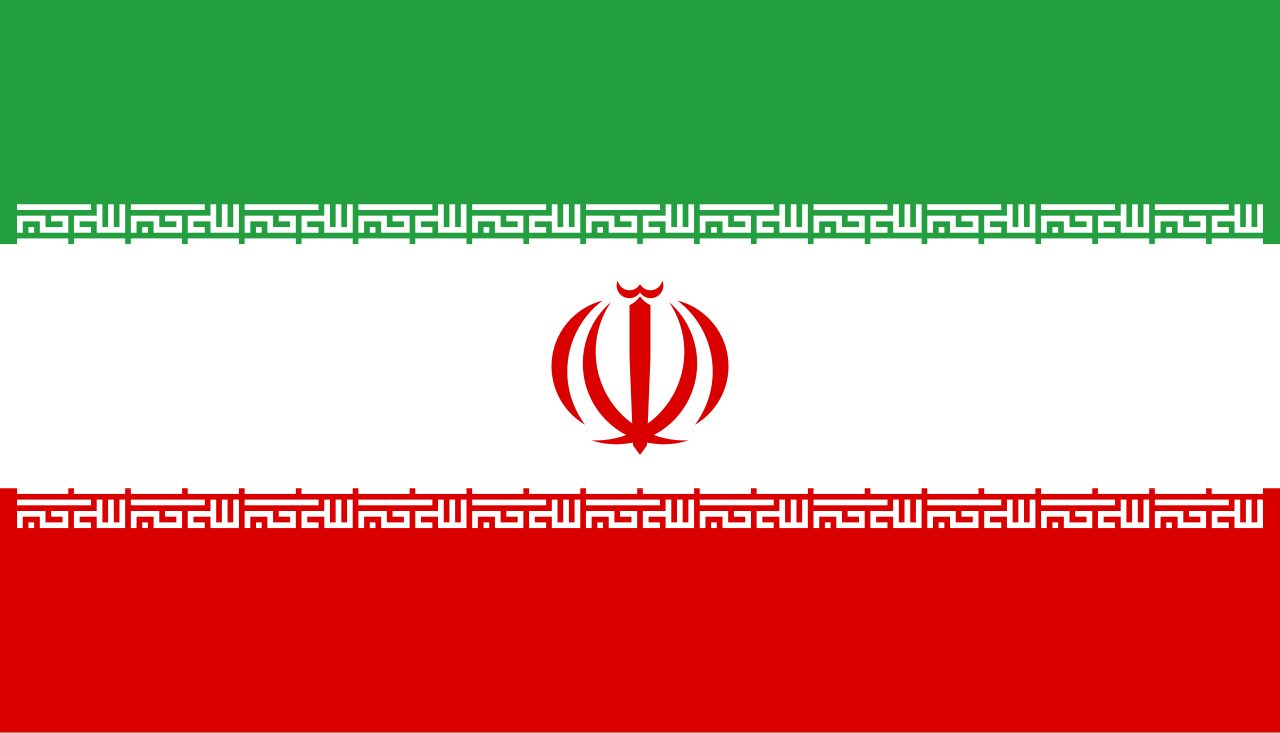
Thirty ships crossed the Strait of Hormuz overnight. Iranian Revolutionary Guard confirmed it. Chinese-flagged vessels were among them — a detail that tells you almost everything about who is winning the current standoff.
Iran this week hardened its negotiating position with Washington, presenting what it described as five minimum conditions for trust before any meaningful talks can proceed. The language was not the language of compromise. It was the language of a government calculating that time, and geography, are on its side.
The UN is now warning explicitly what analysts have long whispered: disruptions in the Strait of Hormuz could drive up food and fertiliser costs and deepen global hunger. The waterway handles a staggering share of seaborne oil and, critically, the fertiliser inputs that feed hundreds of millions of people far from any battlefield.
At the BRICS summit in New Delhi, Russian Foreign Minister Lavrov met his Iranian counterpart and signalled Moscow's readiness to assist in Iran-US negotiations. That offer lands differently when you notice where it was made — at a gathering that represents an alternative gravitational field to the Western-led order. Russia volunteering to mediate is not a neutral act.
Meanwhile, in Athens, Greek Foreign Minister Gerapetritis was reminding his Saudi counterpart that Gaza must remain at the center of diplomatic attention. The instinct is correct but the bandwidth is finite. Every hour spent managing the Hormuz crisis is an hour not spent on Gaza, Sudan, or Lebanon's fragile recovery.
Geopolitical analysts are making an observation that deserves to be said plainly: China is benefiting from what the United States is doing in Iran. Chinese-flagged ships transiting Hormuz while the US tries to rally partners for pressure is not irony — it is strategy. Beijing has quietly positioned itself as the indispensable economic partner for Tehran, and each escalation cements that relationship further.
Back in Cairo, the Egyptian government is moving on two domestic fronts worth noting: cabinet approval of a family support fund to cover unpaid alimony, and confirmed plans to list military-affiliated companies on the Egyptian Exchange. Neither is dramatic news on its own. Together, they sketch a government managing fiscal pressure while trying to maintain social stability — precisely the kind of balancing act that becomes far harder if Hormuz disruptions push food import costs higher.
Egypt is the world's largest wheat importer. That sentence needs no elaboration.
'The strait is not just an energy corridor — it is a fuse, and right now several parties are deciding how long to let it burn.'
The immediate question is whether Iran's five conditions are a genuine opening position or a closing argument. Lavrov's New Delhi offer suggests Moscow believes there is still a negotiating table to be found. Washington's posture, and Tehran's, will determine whether anyone sits down at it before the shipping insurance markets make the decision for them.