EditorialVerified
Trump in Beijing While Tehran Draws Lines: One Summit, Two Wars
The first US presidential visit to China in nine years collides with Iran's hardening stance — and the world's most critical waterway hangs in the balance.
Speed:
ℹ️ Browser-based reading · AI studio voice coming soon
SA
Sherif Al-Mahdi
· 3 min read
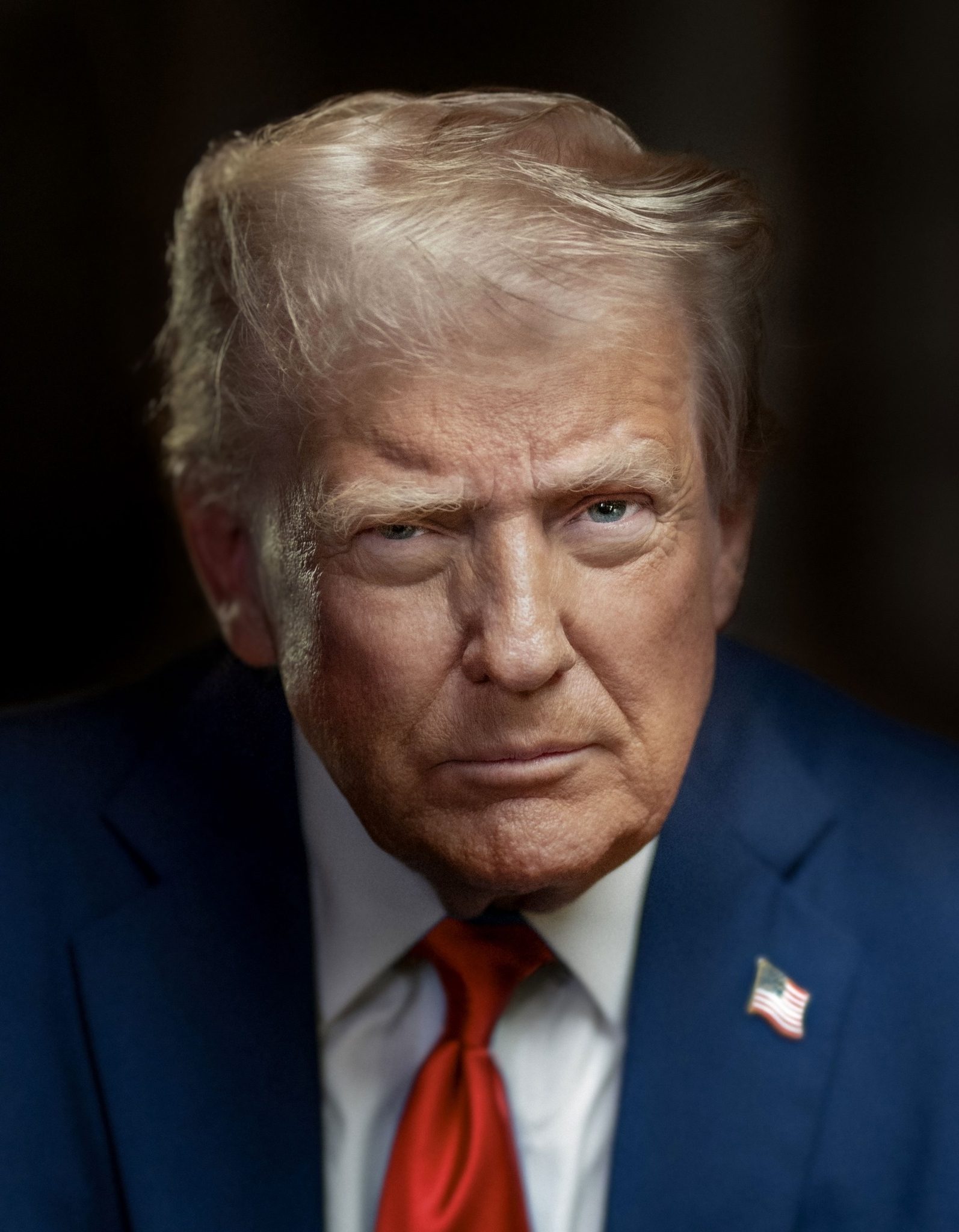
Donald Trump landed in Beijing today for a summit with Xi Jinping, the first state visit by a sitting American president to China in nine years. The agenda is crowded: Iran, Taiwan, trade, technology, tariffs. But it is the Iran file that gives this meeting its sharpest edge.
While Air Force One was wheels-down in the Chinese capital, Tehran was moving in the opposite direction. Iran hardened its negotiating position with Washington, laying out five conditions it described as the minimum guarantees for trust before any substantive nuclear talks can proceed. That is not a negotiating posture — that is a wall.
At the same time, Iranian Foreign Minister Araghchi was on the phone with his Azerbaijani counterpart, discussing arrangements for safe transit through the Strait of Hormuz. The fact that Tehran is raising Hormuz transit safety in a bilateral call — even a routine one — sends a signal. When Iran starts managing expectations around that chokepoint, the oil markets notice, and so should everyone else.
The geography here is unforgiving. Roughly a fifth of the world's seaborne oil passes through Hormuz. Any disruption, even a credible threat of one, moves prices, strains supply chains, and complicates the diplomatic arithmetic for every government from Riyadh to Rotterdam.
Moscow is watching all of this with undisguised interest. Foreign Minister Lavrov argued this week that the focus on Iran's isolation is part of a broader plan to make Arab states abandon the Palestinian cause. Whether or not one accepts that framing, Lavrov's intervention is a reminder that no single crisis in this region exists in isolation. The Gaza ceasefire negotiations, the Iran nuclear file, and the Beijing summit are not three separate stories — they are one story told in three registers.
In Gaza, the diplomat overseeing the US-brokered truce, Mladenov, offered what may be the most realistic formulation yet: Hamas must disarm, but it does not have to disappear as a political movement. That distinction matters enormously. It is the difference between a deal that has a chance and one that is dead on arrival.
Back in Beijing, Trump arrives carrying the weight of a war in Iran, a stalled peace in Gaza, and a domestic economy his own Federal Reserve nominee — Kevin Warsh, just confirmed by the Senate — will soon have to manage. Xi holds significant leverage on Iranian oil purchases. China has been Tehran's most consequential economic lifeline throughout the sanctions era. What Xi agrees to do, or not do, with that leverage will shape the next phase of the Iran crisis more than any statement from Washington.
The summit's public communiqué will almost certainly be carefully worded to paper over the sharpest disagreements. That is how these things work. What matters is what happens in the room, and what Tehran reads in the outcome.
Egypt, for its part, is moving on domestic economic reform — cabinet approval of a family support fund, plans to list military-linked companies on the Egyptian Exchange — the kind of structural housekeeping that gets drowned out by the noise from the north and east. But those moves matter for regional stability in ways that rarely make the banner headlines.