Developing✓ 1 sourcesEditorialDeveloping
Ukraine strikes nuclear plant, Baltic port in latest drone attacks
Ukrainian forces conducted drone attacks on a nuclear power station and a strategic Baltic port facility, escalating strikes on Russian-controlled infrastructure.
Speed:
PD
Pierre Dubois
· 2 min read
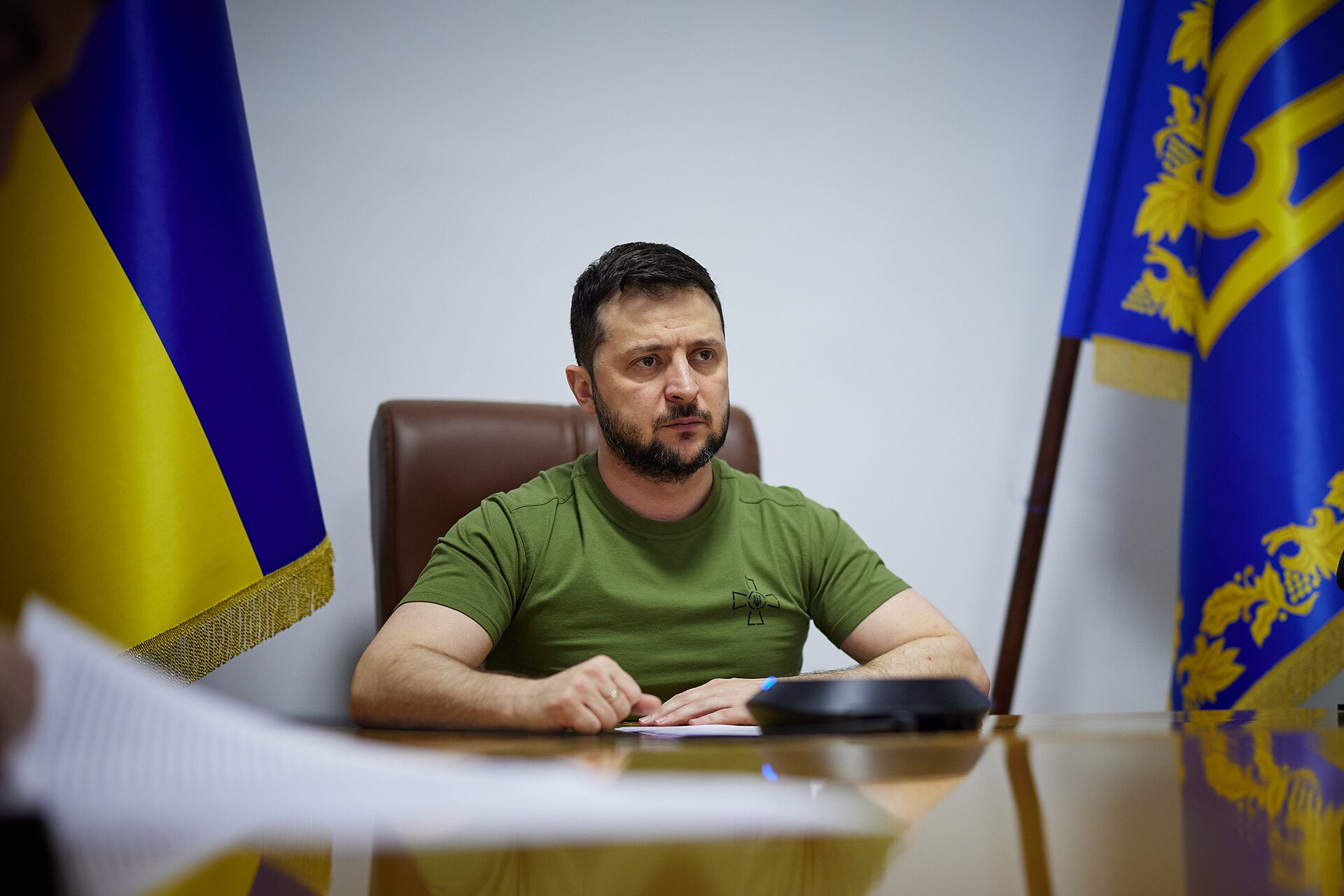
Ukraine conducted drone attacks targeting a nuclear power plant and a Baltic port facility, according to Al Jazeera reporting. The strikes represent an escalation in Ukrainian operations against Russian-controlled infrastructure in occupied territories.
The nuclear facility attack raises immediate concerns over radiation safety and potential environmental consequences across Eastern Europe. The Baltic port strike underscores Ukraine's strategy to disrupt Russian military logistics and energy exports critical to funding the war effort.
EU member states bordering the Baltic region face heightened alert status given the proximity of the attacks. Nuclear incidents could trigger transboundary environmental emergencies affecting multiple European nations. The coordinated dual strikes signal Ukraine's expanding drone capabilities and willingness to target dual-use civilian-military infrastructure despite radioactive risks.
No casualty figures were provided in initial reports. Russian responses to the attacks remain unclear. EU energy security officials are monitoring the incident for implications regarding regional nuclear safety protocols.
Sources — how we know this
- PrimaryGoogle News — Ukraine