This story is currently available in anglais only — a translation isn't ready yet.
EUREP Goes Standing: Frankfurt Builds A Backstop With A Passport
The ECB's enhanced repo facility for foreign central banks is a balance-sheet instrument with a foreign-policy accent. Gilts and Bunds have not re-read it yet.

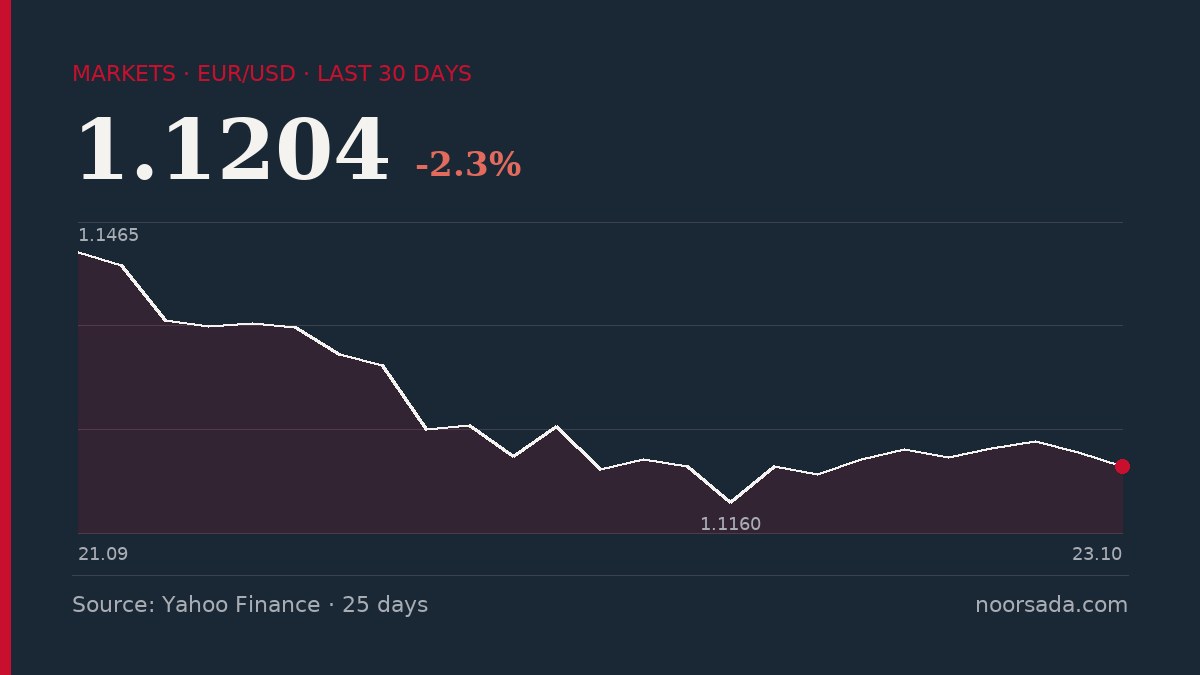
Start with the sentence the wires skimmed. In a speech posted yesterday, the ECB's chief economist described euro liquidity lines as a basic task of a central bank — and then described an architecture that is anything but basic. The enhanced Eurosystem repo facility for central banks, EUREP, will offer standing access in principle to all non-euro area central banks, excluded only on grounds such as sanctions, money laundering or terrorist financing. Maximum line per counterparty: €50 billion. Pricing: MRO plus a Governing Council spread, deliberately penal to keep it a backstop. Drawings available from the fourth quarter of 2026.
Read the design, not the adjective. A standing facility that can be switched off for a named jurisdiction is not plumbing; it is a policy instrument with an on/off valve wired to the sanctions file. The euro, in other words, is being offered abroad on terms the Governing Council retains the right to withdraw. That is a different animal from the swap-line reciprocity most desks have in their heads.
Why it matters for the curve. If you believe — as the speech argues — that the mere existence of the lines dampens stress in euro funding markets, then the ex-ante effect sits in cross-currency basis and in the convenience yield on high-quality euro collateral, not in the policy rate. A broader, more credible backstop for offshore euro liquidity is a quiet bid for Bunds as collateral and a quiet compression of the premium foreign holders demand to warehouse euro paper. Neither Bund asset-swap spreads nor the gilt curve appear to have re-read the paragraph.
The gilt side has its own weather. The UK Treasury unveiled an Energy Wealth Fund seeded with £2bn redirected from the National Wealth Fund, in the same week the national debt crossed £3tn for the first time, per the chancellor's own staging. A £2bn vehicle against a £3tn stock is a political signal, not a fiscal one; the DMO calendar is where the gilt story actually lives. The prime minister's instruction to look at removing standing charges from gas bills is, similarly, a distributional question dressed as an energy one — watch whether it migrates to the unit rate before pricing any inflation consequence.
One line of German domestic data worth logging: the Bundesbank has pencilled in fourth-quarter growth after a third-quarter dip. That is a forecast, not a print, and the Council will treat it as such.
The dry note: a backstop you can revoke by jurisdiction is a backstop with a foreign ministry attached. Price it as such, eventually.