Bu içerik şu an yalnız İngilizce dilinde mevcut — çevirisi henüz hazırlanmadı.
Egypt's logistics bet meets a suspended strike: the consensus misses the ports
The reading in the ministries is that de-escalation buys time. It buys something more specific than that — and Cairo is already spending it.

The consensus reading in the region this morning is coherent, and it deserves to be stated fairly. Trump has suspended the planned strike on Iran. Egyptian diplomacy — Abdelatty with Witkoff yesterday, the same minister opening the Egyptians Abroad Conference the day before — is doing what Egyptian diplomacy does well: containment, quiet channels, the language of political solutions. Armenia's transition passed without incident, Pashinyan reappointed, a government resigning and reforming inside a week without a tremor in the currency. Read together, the picture is one of a region that has, for now, chosen the off-ramp. Insurance desks are already pricing that reading into Gulf shipping. Fair enough.
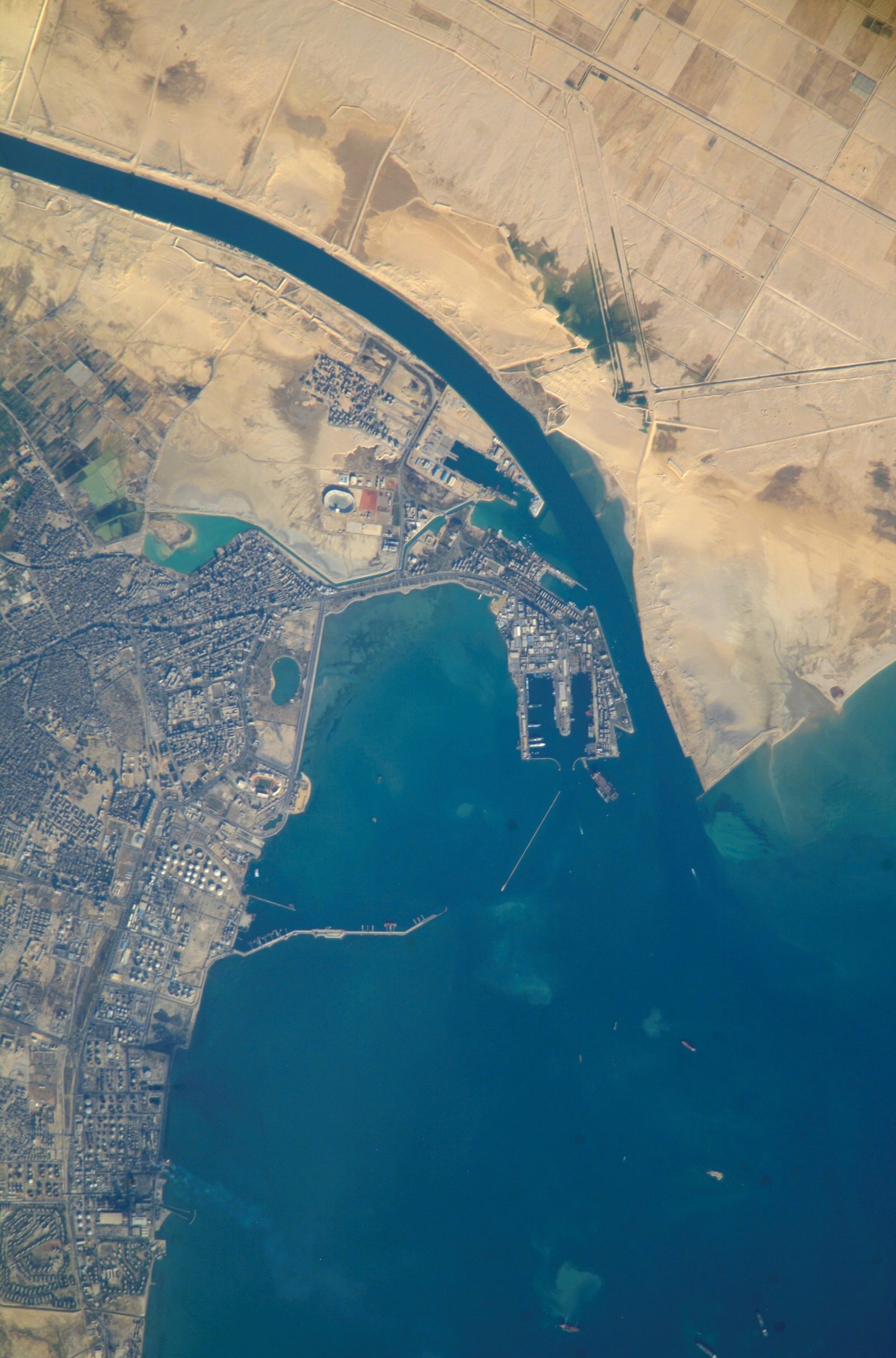
The one fact the consensus cannot digest sits in a routine palace readout that most desks filed under infrastructure. On Sunday, Sisi reviewed the port programme and the high-speed rail — not as ceremony, but with instructions to finish. That is not a president behaving as if he has been granted a pause. That is a president behaving as if the pause is the window, and the window is narrow.
Rebuild the picture around that fact and the week looks different. The suspended strike is not the story. The story is what several capitals are doing inside the suspension. Cairo is accelerating logistics capacity — ports, rail, the corridor that lets cargo bypass a Strait that markets have decided is safe again. The conversation in the finance ministries this morning is not about whether Hormuz reopens fully; it is about who owns the alternative routing when it does not. That is a bet on volatility, dressed in the language of development.
Set it beside the other wires. Cuba's grid failed again over the weekend under a US fuel blockade — a reminder that energy dependency is a policy instrument, not a background condition. Spain is counting the cost of wildfires against its tourism season. Washington state has evacuated sixty thousand people and lost six hundred structures. None of these are Middle East stories. All of them are the same story: systems that were treated as resilient are turning out to be brittle, and the states that noticed early are the ones building around the brittleness now, while the news cycle is looking elsewhere.
For the reader this matters in a specific way. If you run a business that moves anything physical through Egyptian ports in the next eighteen months, the tariff and throughput environment is about to be renegotiated — not in a public announcement, but in the operating rhythms of the terminals. If you are planning a Mediterranean holiday, the insurance premium on that trip is being written this month against wildfire maps, not against last summer's. If your savings sit in dollar instruments on the assumption that a regional pause means a stronger regional pound, understand that the pause is being used, not enjoyed. The premium on hard currency in the informal market has not softened in the way the diplomatic language would suggest.
Three conversations are worth having this week. Ask your accountant what your exposure looks like if shipping insurance on Gulf routes resets upward again in September rather than downward. Ask your employer, if you work in logistics or tourism-adjacent sectors, what the contingency looks like for a second suspension that does not hold. Ask your family what the plan is if the earthquake north of Suez on Sunday morning — modest, but felt — is a reminder rather than an event.
The consensus is right that the region chose the off-ramp. It is wrong that the off-ramp is the destination. Cairo is building for the next exit.