This story is currently available in англійська only — a translation isn't ready yet.
Ukrainian drones hit Lukoil's Volgograd refinery, killing four workers
The overnight strike sparked a fire at one of Russia's 10 largest oil plants and triggered fuel queues across Volgograd, as Ukraine's refinery campaign cuts national throughput by roughly 30%.
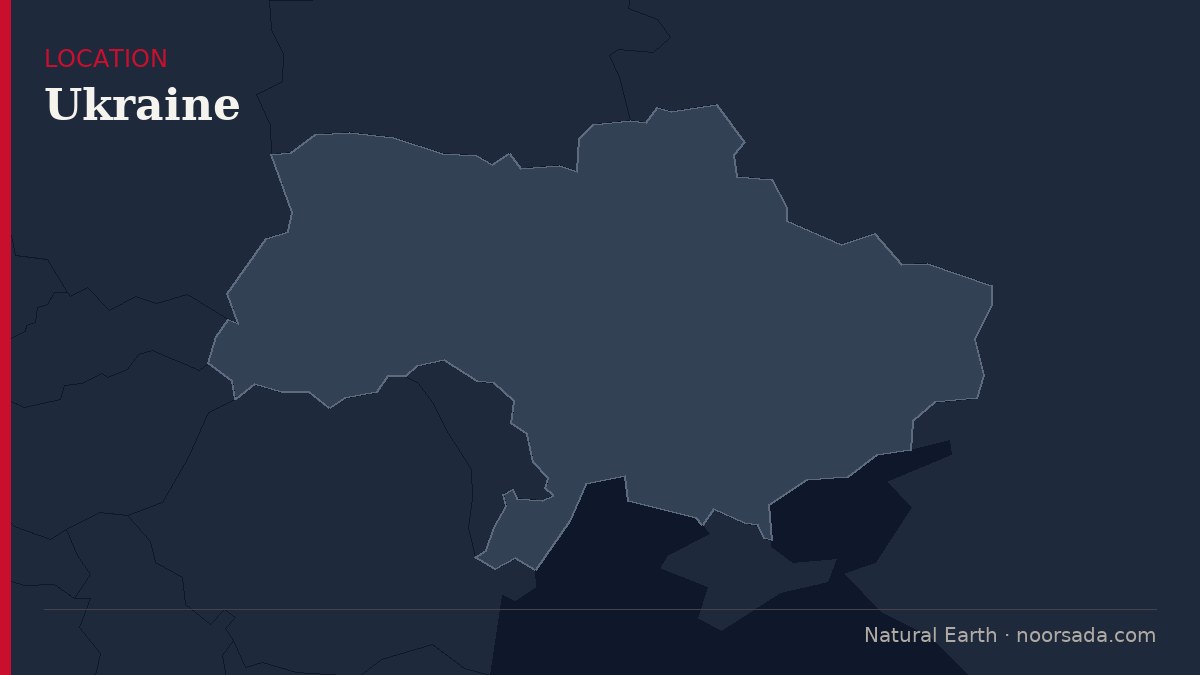
Ukrainian drones struck the Lukoil-Volgogradneftepererabotka refinery overnight on 13 November, sparking a fire that killed four workers and injured two others, Volgograd Region Governor Andrey Bocharov confirmed.
The facility, located within Volgograd city limits, is among Russia's 10 largest oil processing plants, with an annual capacity of approximately 14 million metric tons of crude — around 5% of Russia's total refining capacity. It is a key supplier of gasoline, diesel and aviation fuel to Russia's southern regions and to the Black Sea Fleet.
Videos shared by the independent Russian outlet Astra showed motorists queuing at Volgograd filling stations in the early hours of Friday.
The attack is at least the ninth on the refinery since Russia's full-scale invasion began. A 2 October strike forced it to suspend crude processing entirely; a 29 May strike damaged four primary crude distillation units — AVT-1, AVT-3, AVT-5 and AVT-6 — along with secondary processing equipment.
Since late October, Ukraine's Armed Forces have struck nine of Russia's 35 major refineries in approximately two weeks, hitting facilities in Novokuibyshevsk, Ryazan, Afipsky, Saratov, Yaroslavl, Omsk, Nizhny Novgorod, Ufa and Kirishi. The campaign has cut Russia's overall oil refining throughput by approximately 30% compared with late October, according to industry sources cited by Reuters: from roughly 700,000 metric tons per day to approximately 500,000 metric tons daily.
Fuel sales restrictions are now in force in the Leningrad, Nizhny Novgorod, Arkhangelsk, Novosibirsk and Penza regions, as well as in Karelia and Buryatia. At Rosneft stations in Moscow, motorists are limited to 50 litres per vehicle and 20 litres per canister.
Sources — how we know this
2 independent sources corroborated this
- PrimaryKyiv Post
- CorroboratingThe Moscow Times
Energy Portfolio
Check your broker for the latest on energy stocks.
View Now →