WHO: Kyrgyzstan Halves Tuberculosis Incidence, but Drug Resistance Threatens the Region
A new WHO report records the progress of Kyrgyzstan, Uzbekistan and Belarus, while all five Central Asian countries have been placed on the high-burden list for drug-resistant tuberculosis for 2026-2030.
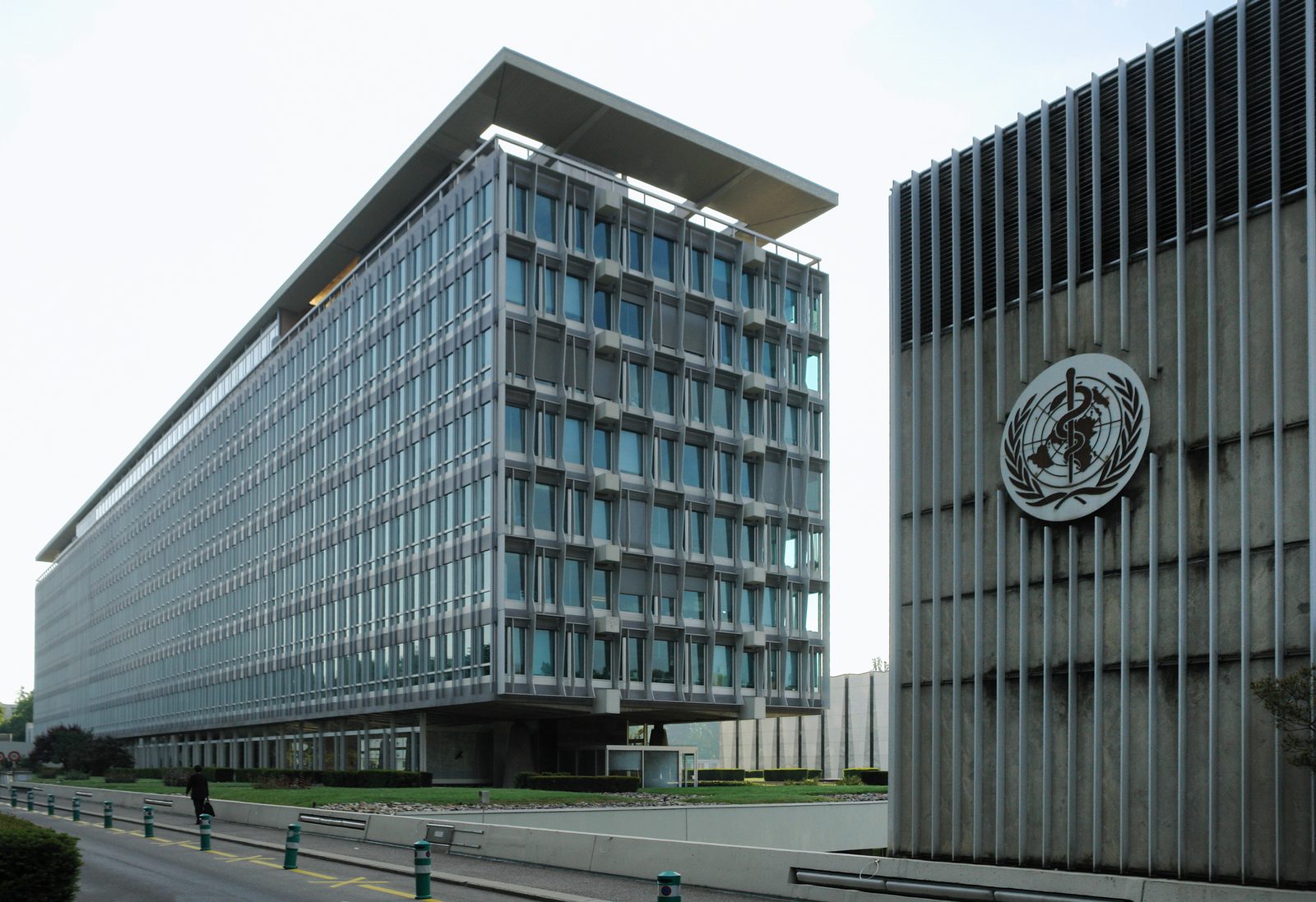
The World Health Organization has published a report recording a contradictory picture in the fight against tuberculosis in Eastern Europe and Central Asia: individual countries have achieved significant progress, yet drug resistance still poses a serious threat.
Kyrgyzstan in 2024 halved its incidence compared with 2015. Uzbekistan and Belarus reduced the number of deaths from tuberculosis by at least 75 percent by 2024, and Belarus had already halved its incidence back in 2022. Kazakhstan and Moldova met the first milestones of the strategy — cutting incidence by at least 20 percent and the number of deaths by at least 35 percent.
WHO names rifampicin-resistant tuberculosis — resistance to the most effective first-line drug — as the region's main problem. The world's highest share of such cases is recorded precisely in Eastern Europe and Central Asia: in a number of countries resistance is detected in more than half of previously treated patients. Russia is among the four countries — along with India, China and the Philippines — that account for more than half of all new cases of rifampicin-resistant tuberculosis in the world.
The updated WHO list of 30 countries with a high burden of drug-resistant tuberculosis for 2026-2030 includes Russia, Ukraine and all five Central Asian states — Turkmenistan for the first time. Belarus and Moldova, by contrast, have been excluded from this list and moved to the list of countries requiring attention.
Russia, Ukraine and all five Central Asian states provided testing for rifampicin resistance to at least 80 percent of patients with a confirmed diagnosis. At the same time, in the WHO European Region, 76 percent of patients with drug-resistant tuberculosis are still treated with regimens lasting 18-20 months rather than the recommended six-month ones.
Overall, worldwide last year, an estimated 10.6 million people fell ill with tuberculosis, according to WHO, and another 1.13 million died. Since 2015, the number of deaths has fallen by 35 percent — the first interim milestone of the strategy has been reached, albeit five years later than the target date. Since 2000, treatment has saved an estimated 86 million lives. Tuberculosis remains the leading cause of death from a single infectious agent.
Sources — how we know this
- Primary24.kg