Kazakhstan and Uzbekistan agree to protect saigas together
The memorandum was signed on 12 November: the parties will jointly monitor migration, fight poaching and restore pastures and water bodies.
ℹ️ Browser-based reading · AI studio voice coming soon
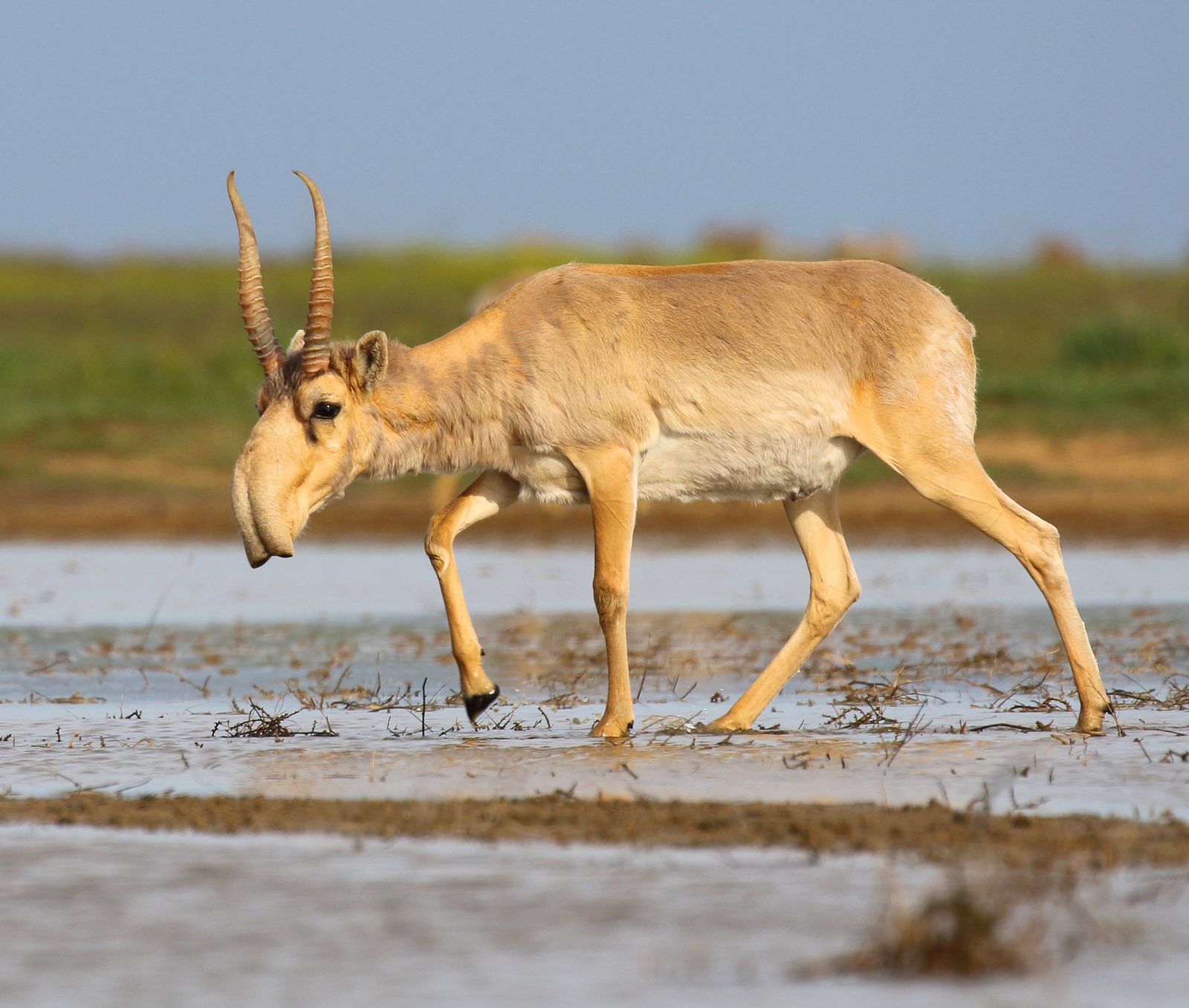
Kazakhstan and Uzbekistan signed a memorandum of understanding on 12 November on the conservation and restoration of the saiga population. The document was signed by Kazakhstan's Minister of Ecology and Natural Resources Alibek Kuantyrov and the Chairman of Uzbekistan's National Committee on Ecology and Climate Change Aziz Abdukhakimov.
The memorandum provides for the coordination of efforts to protect saigas, the protection of transboundary migration routes and the restoration of natural habitats. The countries intend to jointly monitor animal numbers, migration and health, exchange scientific data, and use satellite tracking and veterinary control.
A separate area is the restoration of the population in its historical ranges: a reintroduction programme is planned, with coordination of the movement of animals and restoration of natural pastures and water bodies. Priority has been given to combating poaching and illegal trade: joint conservation patrols and the creation of transboundary protected areas and migration corridors are envisaged. The parties also agreed on joint research, the exchange of experience among specialists and the involvement of international organisations.
Kazakhstan has three saiga populations - the Ural, Betpak-Dala and Ustyurt. A count in April-May 2024 during the calving period recorded 3,978,000 animals: 2.3 million in the Ural population, 1.6 million in Betpak-Dala and 78,000 in Ustyurt. Separate data estimated the number at a record 4.1 million.
The head of the regional branch of the state enterprise Okhotzooprom, Rasul Makhanov, noted that saiga numbers fluctuate greatly and that harsh winters pose a particular threat: in 1992 a heavy-snow winter led to the mass death of animals and a reduction in numbers to about 15,000. "They come in search of pastures. This is a natural process," he said of the winter movements. In late December 2024 large groups of saigas moved into the Aral district of the Kyzylorda region; in the Syr Darya area there were then between 60,000 and 65,000 animals, more than 30,000 of them in the Aral district.
The conservation director of ACBK (the Kazakhstan Association for the Conservation of Biodiversity), Alyona Krivosheyeva, noted that the association was founded in 2004 and has since become the largest national conservation NGO in Kazakhstan.
Sources — how we know this
- PrimaryThe Astana Times