Ex-Osh Mayor Myrzakmatov Urges Kyrgyz Citizens to Report Provocateurs Amid Pre-Election Threats
The leader of the Ulut Birimdigi party warned of the threat of interethnic conflict in the country's south on the eve of the elections on January 27, 2027.
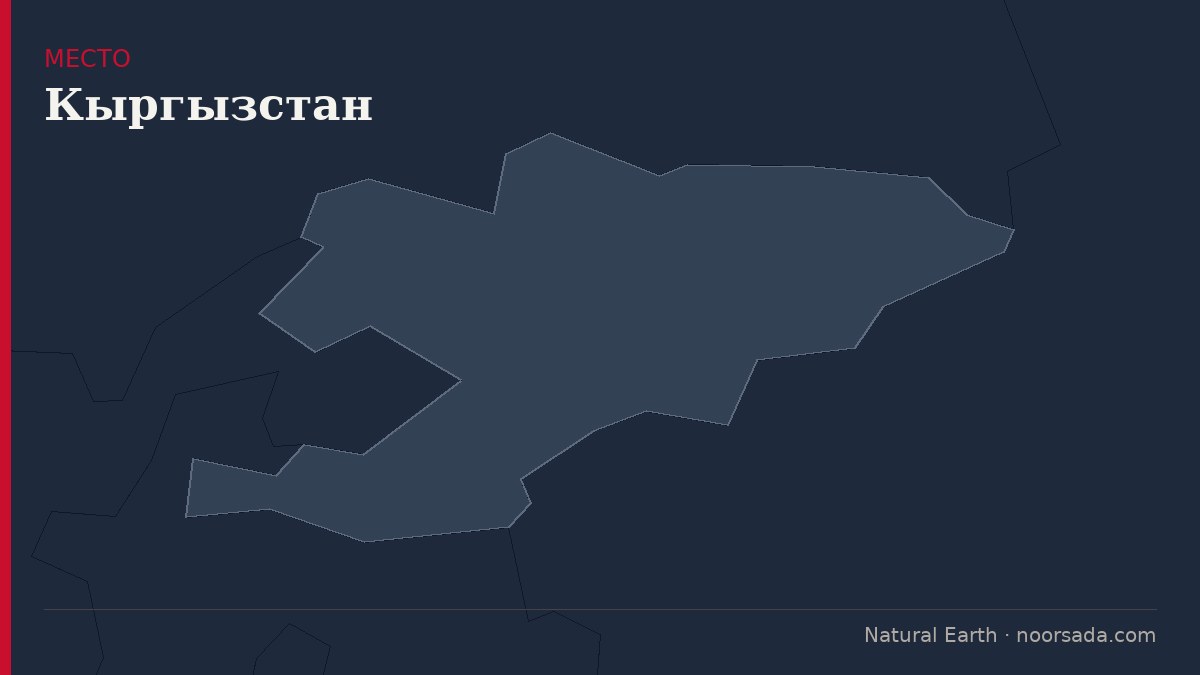
Former Osh mayor and leader of the Ulut Birimdigi party Melis Myrzakmatov addressed the citizens of Kyrgyzstan with a call to be vigilant and to immediately report suspicious appeals and actions by organized groups to law enforcement agencies.
The appeal followed a warning made by President Sadyr Japarov on November 12: according to information that reached the head of state, certain political forces are discussing the possibility of inciting conflict between Kyrgyz and Uzbeks in the south of the country ahead of the presidential elections scheduled for January 27, 2027. The president did not name the specific individuals allegedly behind the organization.
Myrzakmatov recalled the interethnic clashes of 1990 and 2010. "In 2010 I held the post of mayor of Osh and I know well what bloody clashes are," he stressed. Drawing on an Eastern proverb — "the first time is an accident, the second is a coincidence, the third is a pattern" — he called for preventing a repeat of the tragedy.
According to the former mayor's assessment, political groupings and radical forces interested in destabilization may become more active before the elections. At the same time, he believes that a large-scale interethnic conflict is impossible without external support: without such support, Myrzakmatov is convinced that "such actions will be only local in nature," and he believes that the security agencies are capable of suppressing them in a timely manner.
Myrzakmatov called for particular vigilance in places where people gather in large numbers — in markets, on public transport, in mosques, and during celebrations. He also proposed strengthening outreach work in mosques, neighborhood committees, universities and labor collectives.
Sources — how we know this
- Primary24.kg