Trump sidelines Vance from the Iran file and Tehran reads the move as a signal of escalation
The US vice president was Washington's chief negotiator with Tehran; Iranian experts see his removal as raising the chances of confrontation as the Strait of Hormuz crisis continues
ℹ️ Browser-based reading · AI studio voice coming soon
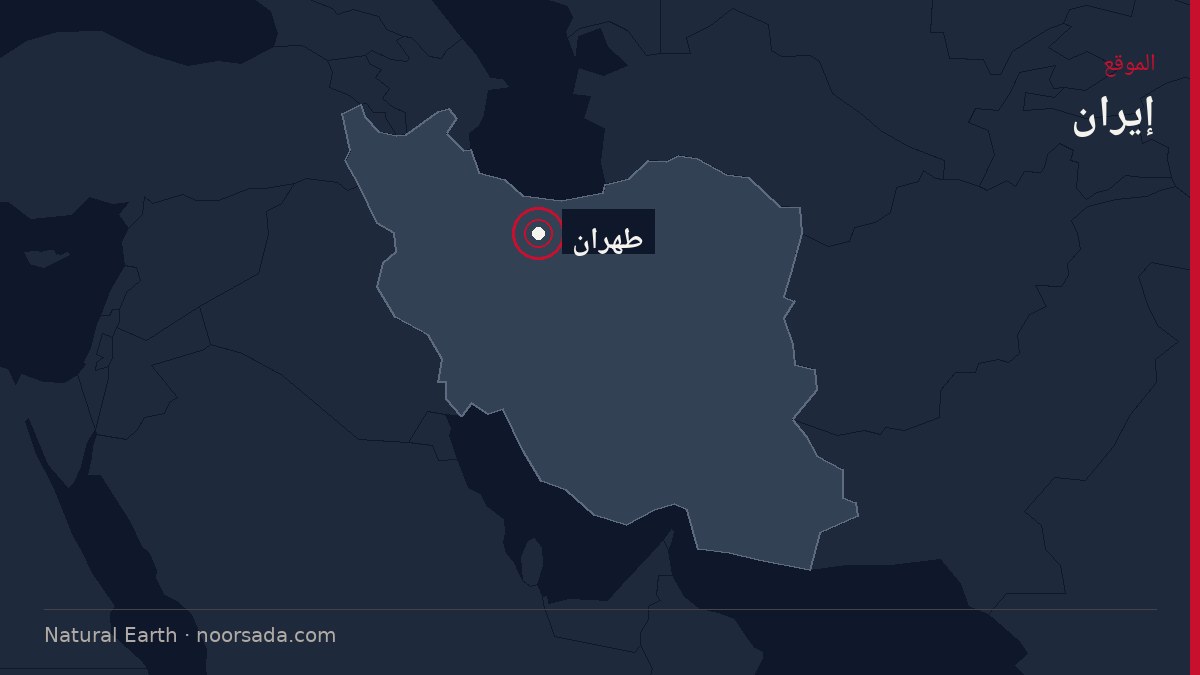
US President Donald Trump announced in a post on his platform Truth Social on Thursday that he had directed his vice president, JD Vance, to the file of "corruption" attributed to the Democrats, and said that reaching an agreement with Iran is no longer a priority for his government. With that, Vance, Washington's chief negotiator in the talks with Tehran, exits the Iran file.
Nasser Hadian, professor of international relations at the University of Tehran, says that Trump, by referring Vance to the internal corruption file, is primarily directing a message of confrontation at the Democrats. He adds that the step carries a second signal to Iran, in that it says "reaching an agreement now is not a priority," and that the figure known for a softer position toward Iran has been redirected to other files.
In Tehran, Vance had been regarded as one of the most pragmatic figures in the Trump administration. He was backed by the two envoys Jared Kushner and Steve Witkoff when he negotiated a memorandum of understanding with Iran in June that temporarily halted the fighting and restored navigation in the Strait of Hormuz, before the memorandum collapsed.
On the other side, Secretary of State Marco Rubio described the Iranian authorities as "crazy" because of their demands to end the war, and acknowledged the cost of an all-out war and his pursuit of economic pressure. Support for resuming military action is attributed to Defense Secretary Pete Hegseth, who faced a vote on his removal because of his role in the war, and to CENTCOM commander Brad Cooper.
Vance had sent a message to Iranian security official Mohsen Rezaei in late October; Rezaei initially described its tone as positive, then later called talk of progress and of a direct meeting with Vance "fake news about imaginary talks."
Mohammad Saleh Sedghian, director of the Arab Center for Iranian Studies, says the Iranian authorities are also asking about the reliability of any new agreement with Washington: "Even if we imagine Mr. Rezaei sitting with Mr. Vance and reaching an agreement," and they ask what guarantee ensures that Trump will implement it. He adds that the blockade and sanctions will continue, and that the state of "neither war nor a negotiated settlement" is dangerous.
On the ground, the Revolutionary Guard and the Iranian army announced, each separately, the recording of several incidents of ships that struck naval mines or were hit by shells after attempting to take "unauthorized" routes in the strait. The weekly report of the UK Maritime Trade Operations (UKMTO) on Friday reported eight incidents in the strait and its surroundings, most of them on the southern route near Oman, and 139 outbound crossings and 169 inbound crossings during the week, that is about 65 percent below pre-conflict levels.
Hadian says the Iranian leadership will not tolerate the current situation indefinitely, and that war becomes more likely the tighter the blockade becomes. But he believes that sidelining Vance will not change the situation fundamentally, because Washington believes its economic pressure is capable of extracting concessions.
Sources — how we know this
- PrimaryAl Jazeera English